

Was The 1962 Shelby Cobra CSX 2000 Really Repainted To Fool The Press?
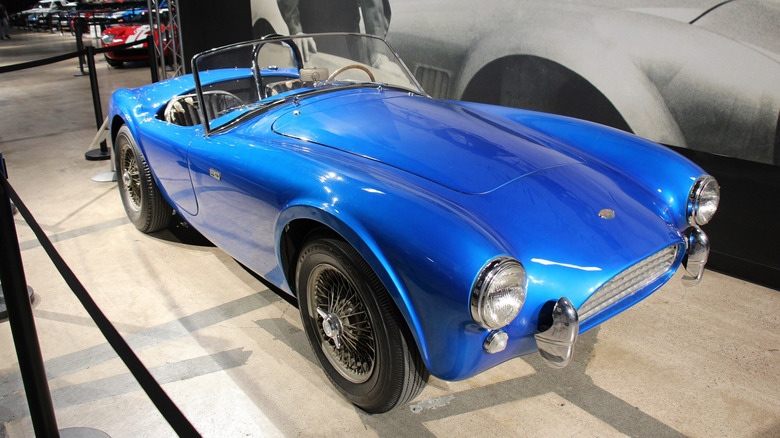
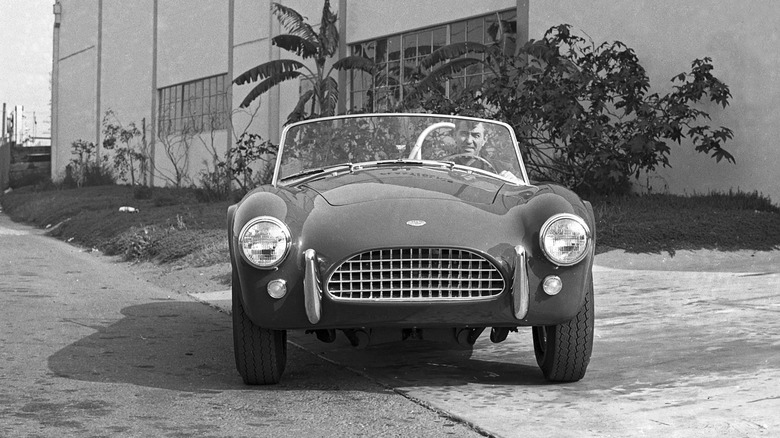
In February 1962, Carroll Shelby and Dean Moon picked up an engineless AC chassis at Los Angeles International Airport and drove it to Moon's shop in Southern California to drop in a Ford 260-cubic-inch V8 and four-speed manual gearbox. That car — chassis number CSX2000 — would be the only Shelby Cobra in existence for five months. What happened to it during those months is well documented in some respects and, in at least one important respect, considerably murkier than the popular story suggests.
According to multiple sources — including Cobra Authority and the Shelby American Collection — Shelby solved the problem of having one car and significant press interest by cycling the same chassis through every major automotive publication in sequence, painting it a different color between visits. The car was allegedly scoured to bare aluminum with Brillo Pads for its first press drive, then painted red, then blue, then bright yellow for its 1962 New York Auto Show appearance. The implication is that editors at Hot Rod, Cars, Road & Track, and Car Life were all photographing what they believed to be a production fleet.
But Hemmings — a collector-car source that also covered the repainting tale in its own piece — has flagged this account as mythology.
The first Cobra's questionable mythos
Hemmings says its examination of the car found that the only color visible beneath CSX2000's current paint is the original fluorescent yellow. No red showing through. No blue beneath that. Just yellow under the current metallic blue. If CSX2000 had truly cycled through so many colors, there should be a stratigraphic record in the paint or evidence of stripped bare metal between coats. But a crack in the blue paint on the passenger door reveals only a glimpse of yellow underneath — confirming the yellow-to-blue sequence, but nothing more. No other color layer has been documented.
The photographic record doesn't help settle the question. For a car that was allegedly photographed in multiple colors in a deliberate press strategy, no contemporary images of CSX2000 in any color other than bare aluminum and yellow appear to have been published — or at least no captures have survived that we're aware of. What we're left with is a similar tale to the Mercedes W25 that was famously claimed to be stripped of its paint for racing.
The CSX2000's definitive legacy
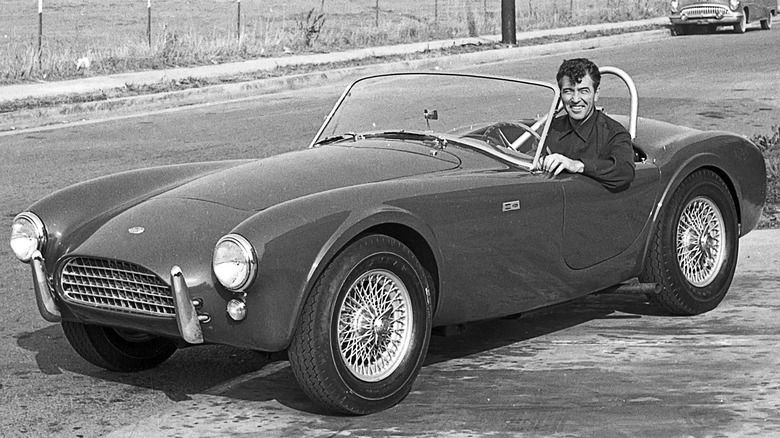
The performance numbers generated during that press tour, though, aren't not in dispute. Car Life turned a 0-60 time of 4.2 seconds in June 1962. Road & Track logged a 153-mph top speed and a 13.8-second quarter mile at 112 mph where the CSX2000 took center stage as the cover for its September 1962 issue.
The CSX2000 carries several mechanical details that never made it to production. It is the only Cobra Shelby ever built with inboard rear disc brakes. The tubular headers under the hood are the first set hand-built and welded by the company. Also, the chassis tubes were reinforced beyond AC Ace specification.
When the Carroll Shelby Trust offered the car at RM Sotheby's Monterey auction in 2016, it brought $13,750,000 — setting a precedent for Cobras to price themselves out of most enthusiasts' budgets. The intrinsic value of this CSX2000 was its single ownership for over five decades, retaining its original upholstery, radiator, and critically; the paint chips and wear consistent with its 1962 press-tour service. Various Shelby-made vehicles have set headline sales numbers in the decade since, with a Cobra Daytona Coupe poised to set new records in a Gooding Christie's auction at Pebble Beach.
The repainting story has been told often enough, by sources credible enough, that dismissing it would be premature. But the physical evidence currently in the car's paint suggests some exaggerations were made in retrospect. Regardless, the Cobra was a commercial and cultural success with approximately 1,000 Cobras being built between 1962 and 1967. CSX2000 predates all of them — and one of America's most venerated automotive stories that spawned countless era-defining vehicles might not have existed without it.