

Mercedes-Benz Promises To 'Protect' Its U.S. Business Following Senate Approval Of Bill That Would Kick It Out
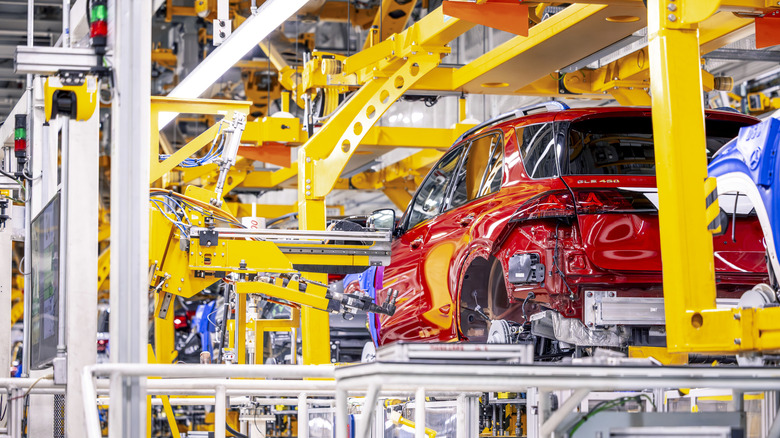
New legislation approved by the Senate Commerce Committee that toughens a ban on Chinese automakers entering the U.S. is having the unintended effect of putting Mercedes-Benz's entire Stateside operation in jeopardy, but the German automaker's CEO Ola Källenius is promising to do everything it can to shield itself from a possible sales ban. Part of the legislation stipulates that no more than 15% of a car company can be owned by a Chinese entity. Unfortunately for Mercedes, it is about 20% owned by various Chinese entities, which could bar it from operating in the United States.
Now, Källenius says he and the company are doing everything they can to stop that from happening — especially since the U.S. is one of the few remaining growth markets for the brand, with sales rising 15% in the first half of 2026, according to Reuters. Those numbers helped offset dismal returns in China. At the same time, Mercedes has pledged more than $7 billion for its U.S. operations that could help make sure the situation ends favorably.
"If we need to make adjustments to comply with anything, we will make sure that we protect our presence and our business in the U.S.," Källenius said as the company reported second-quarter results, according to Reuters. "We are not naive about the geopolitical environment and the competition between the United States and China."
He added that Mercedes was monitoring the U.S. debate closely, and it has been "deeply involved" in talks with all of the parties involved. It sort of has to be. Chinese automaker BAIC and Geely's founder Li Shufu hold a combined 20-ish percent of the company.
Staying in the U.S.
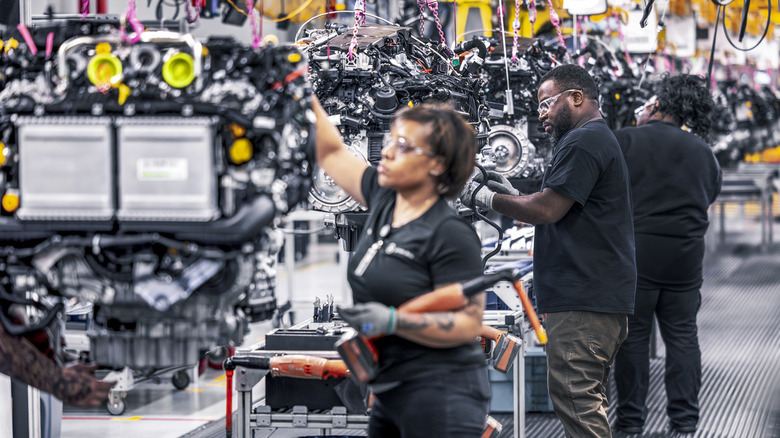
Mercedes has some big plans for the U.S., depending on how this situation and a North American trade pact revamp shake out. It's no secret that the Trump administration has been pressuring foreign automakers to bring production Stateside, and because of that pressure, Mercedes has pledged over $7 billion in investments in its U.S. operations. $4 billion of that is slated to come before 2030 to boost SUV production at its plant in Tuscaloosa, Alabama, according to Reuters. Källenius said there's a possibility the automaker could also set up engine production here — depending on the outcome of that trade agreement.
More likely than not, Mercedes will be fine. It's not clear exactly how (or if) it'll fall under the 15% Chinese ownership threshold, but Senators are already looking for ways to carve out a space for Mercedes in their new legislation. Texas Republican Senator Ted Cruz said the bill would require changes before it could become law, and Ohio Republican Senator Bernie Moreno — who previously owned Mercedes-Benz dealerships and currently has dubious ties to the automaker — said the company will have until 2030 to comply with the new legislation. Even then, it could get waivers if it didn't meet the requirements.
Taking the impact on Mercedes out of it, the company pulling out of the U.S. would be an economic disaster, especially for Alabama. It sold over 343,000 vehicles in the U.S. in 2025, and it employs thousands of folks across the country. Needless to say, Mercedes is a hell of an economic driver.