

Major Satisfaction Survey Finds Automakers Could Learn Something From Vacuum Cleaners
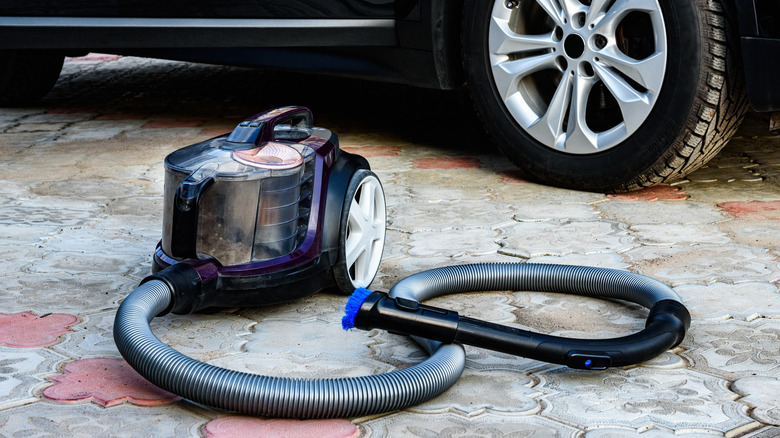
Even if your sole purpose in life is to deal with one mess after another, it doesn't have to suck to be a vacuum cleaner — at least not when it comes to customer satisfaction. We recently reported that the latest American Customer Satisfaction Index (ACSI) 2026 Automobile Study suggests big problems for luxury vehicle brands. However, it also says that, within the manufacturing industries it surveys, people are slightly happier with their vacuum cleaners than they are with their automobiles.
On the ACSI's 0 to 100 scale, vacuums edged automobile customer experience benchmarks by a point, 79 to 78 in aggregate. No industry could top the 83 of athletic shoes or soft drinks, and traditional subscription television was dead last with a 70, so a 78 is not bad. Still, a 79 is a little better. What's something automakers can learn from this? Well, ACSI has different benchmarks for different sectors, but there are parallels to how vacuum cleaners and automobiles are evaluated, with durability, energy efficiency, warranty coverage, and ease of use being chief among them. And based on the 2025 report breakdown, several of the areas in which vacuums outperform cars are incidentally the lowest-ranking areas of automotive customer satisfaction.
Vacuums beat cars on warranties, MPG, and durability
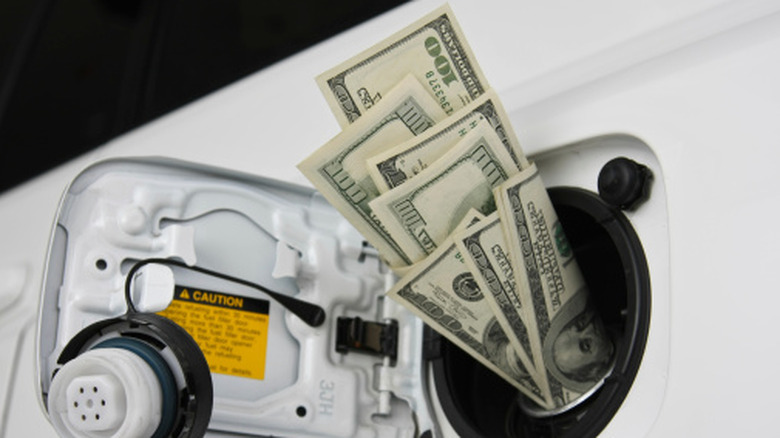
ACSI nests things like breakdowns and engine parts under Dependability for automobiles — for vacuums, the concept is labelled by Durability. Luxury cars and vacuums earn a respectable 81 here, with mass market autos achieving a customer experience benchmark of 82. From here, the paths diverge. Customers are more satisfied with vacuum warranty coverage (80) than with cars (79). That's not a massive delta, but considering the cost and complexity of a car, imagine the difference a slight improvement here could make. On a list of 14 benchmarks, warranty coverage ranks 12th for mass market and 11th for luxury automobiles, respectively. How could tweaks like more comprehensive or longer-term coverage boost customer satisfaction?
Then there's energy efficiency (robot and cordless vacuums are included), for which vacuums score a 79. The concept spans two categories for autos: gas mileage and overall range from a full tank or charge. Luxury auto customers are least satisfied with their range (72), and not psyched about their gas mileage (78). Mass market customers feel better about the gas mileage (79), but are also not thrilled with range (74). Overall advantage again goes to vacuums. Warranty coverage, fuel mileage, and range are beside one another at the bottom of the auto satisfaction benchmarks. This suggests that automobile customers simply expect better economies of use, and don't believe their expectations are currently being met. And the actual economy isn't helping.
Vacuums have better resale value and simplicity
Our cars are getting more expensive and taking longer to pay for, which the ACSI prefaces in its report. So it makes sense that fuel economy satisfaction would rank this low at a time when the average price of a new car has reached a record $50,000 and historic fuel prices have made public transportation more appealing. Also, cars may not be worthless, but they are worth less. Our running-cost-related concerns are accompanied by dissatisfaction with resale and trade values near the bottom of ACSI automotive customer satisfaction benchmarks.
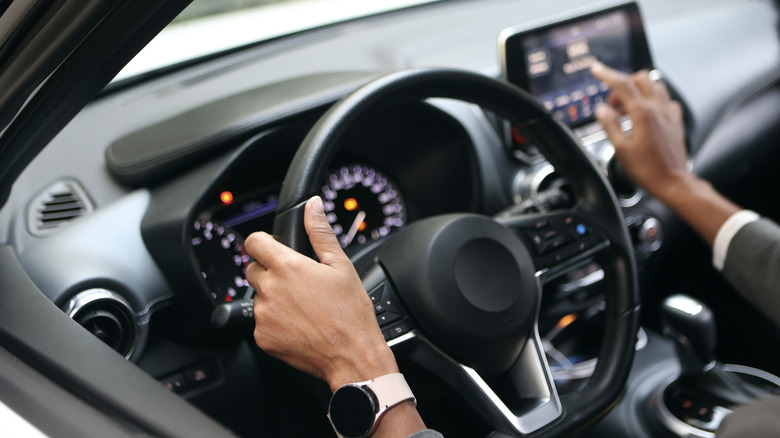
Resale value doesn't appear in the vacuum survey, but Ease of Operation does — it's #1 of 20 benchmarks, with a score of 84. Pushing a vacuum is pretty straightforward, but remember, this includes robot vacuums, and figuring out how they work. In a car, ease of operation leads us to two benchmarks: Driving Performance, which includes handling and overall drivability, and Technology, which encompasses touchscreens and controls. Satisfaction here is lower than that of vacuums for both the luxury and mass market automotive segments. In other words, they are expensive, but at least they're difficult to use. Fortunately, some brands are rethinking touchscreens, which may help.