

What Are The Pros And Cons Of Buying A Discontinued Car Model?
There are a lot of choices out there when it comes to buying a new car. However, with average prices hovering around $50,000 for some time now, any option that could potentially save buyers some hard-earned cash is always one worth considering.
A discontinued car is one such option. In addition to being able to save buyers some money, there are a whole host of other benefits to be considered, such as proven reliability. However, as with any car buying decision, there will also be downsides to opting for a discontinued model.
The technology packaged within is likely to be out of date in comparison to fresh releases, and while those newer models may cost more initially, the chances are they will depreciate slower, too, which may counter any savings gained at the point of purchase. Here's everything buyers should have on their minds when looking to buy a discontinued car model.
Financial savings are the primary attraction
The first and perhaps most obvious benefit of buying a discontinued car is to save some money. When a new model is on the way in, or an older model is simply finishing its production run, dealers will want to clear that old stock as quickly as possible. The older the stock gets, the harder it will be to move, as it will only age in the face of fresher competition coming onto the scene.
So, the long and short of it is, dealers and manufacturers are motivated to drop prices, reduce interest rates, and include incentives, in order to ensure those discontinued models find new homes quickly. Those savings could be multiplied if your negotiation skills are on-point, too.
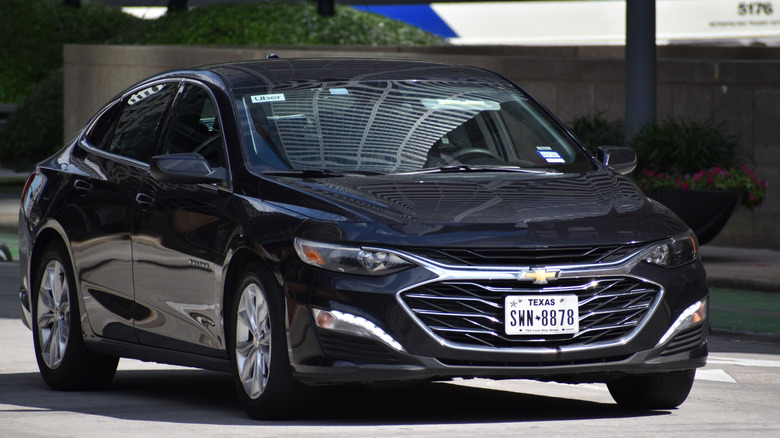
Take the recently discontinued Chevrolet Malibu as a great example. GM Authority reported that Chevrolet was offering up to $2,250 off of select grades, in addition to low-rate financing and no payments for the first 90 days. With new car prices circling around $50,000 on average right now, and with no new models available under $20,000 any more, the prospect of being able to save between 10% and 20% off the price of a new car is certainly an appealing one.
Proven reliability
It's been said many times before that buying a car in its first model year is a bad idea, as there has simply been no time for it to prove its reliability. So, instead of buying a brand-new model with unproven features, a discontinued car with tried-and-tested mechanicals may prove to be a safer bet.
While automakers endeavor to catch issues before production, reliability problems often slip through and are instead caught when masses of motorists begin piling on the miles. This gives manufacturers the chance to make tweaks and remove said problems for later model years, leading to increased reliability as the generation ages. Using that same logic, by the time final-model-year iterations are on sale and due for discontinuation, they should be some of the most proven and reliable of the lot. Not only does this mean that new issues are unlikely to cause surprise, but by the end of a vehicle's run, mechanics and technicians should also be familiar with any common problems and quirks, making maintenance and repair easier to approach.
There are numerous instances that prove this point, such as GM fixing the timing chain lubrication issues on post-2005 2.2-liter EcoTec engines and BMW reworking the timing chain design on early (pre-2015) N20 engines. The powertrains may not be as technically impressive as newer releases, but at least they should prove trustworthy.
Parts availability

Buyers may be apprehensive about buying a discontinued car, thinking that service and spare parts may be tricky to source, but for the most part, that's a myth. Automakers typically continue to manufacture spare parts for some time, even though the model itself may no longer be in production. Furthermore, it's a great look for automakers to continue to supply parts after discontinuing a vehicle — owners will feel considered, and it presents another revenue-earning opportunity for the manufacturer, too.
Another angle is that, and this will be especially true of cars with long production runs, spare components will become abundant as older examples start being broken down for parts. The Volkswagen Beetle, which was discontinued after the 2019 model year, is a great example. Given the model's long production run — the final generation debuted in 2012 — and the fact it shares parts with other VW models, older vehicles that have reached the end of their serviceable lives can be broken up, and salvageable parts can be sold.
So, even if certain parts do prove tricky to buy new, there are options out there for buyers of new-but-discontinued models. It should be noted that there is no legal obligation for automakers to continue the production of spare parts once a model has been discontinued, though. No such law exists, and parts for extremely old or rare vehicles may still be difficult to find.
Outdated tech
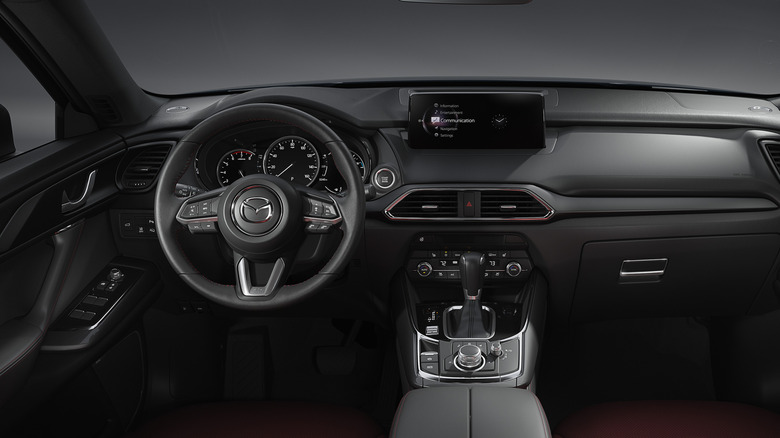
We're moving on to some of the cons now. It stands to reason that an older car will have older technology. The Mazda CX-90 shows us this, having replaced the aging CX-9 back in 2023. Someone buying a late example of the discontinued CX-9 may well have been able to secure great incentives and discounts and be safe in the knowledge that spare parts should still be easy to access. However, they will have missed out on new features debuting on its replacement. In this instance, such features include the CX-90's choice of newer powertrains, increased cabin space, and upgraded standard technology, such as a larger digital driver's display, plus an eight-speaker sound system, versus the CX-9's standard six-speaker setup.
Technophiles especially may be put off by this. While options for upgrading a car's infotainment system and other such features do exist, having to spend extra on aftermarket upgrades sort of negates the point of buying a cheaper, discontinued model in the first place.
Reduced residuals
This con could be a serious turn-off for anyone considering the purchase of a discontinued car. While it's absolutely true that you can find them with considerable discounts compared to when new, you also need to factor in the rate of depreciation. Whether a new model is on the horizon or not, when a car becomes discontinued, it does becomes less desirable — most likely because some buyers worry about outdated technology and a fear of parts availability struggles. As a result, residual values drop at an increased rate.
There are exceptions to the rule – just look at how late Chevrolet Camaro models are performing. The V8-powered LT1 sold with an MSRP of $40,395, and 2 years later, that's pretty much still the kick-off price for used examples, even with between 5,000 and 20,000 miles on the clock.
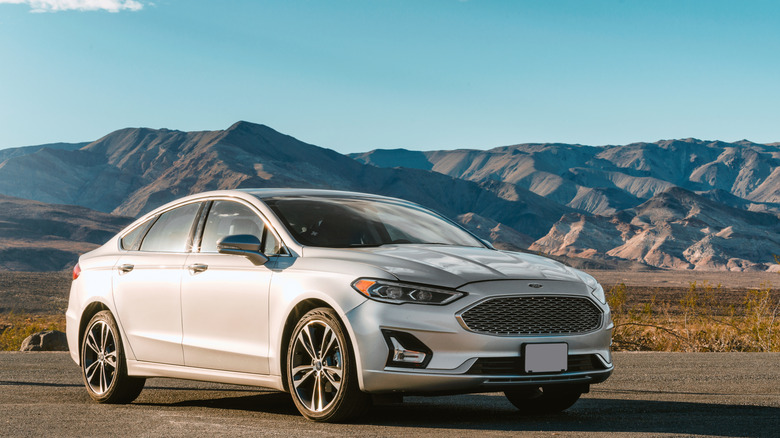
CarEdge gives the Chevrolet Cobalt and Ford Fusion as prime examples. These once-popular sedans were largely replaced by crossovers and SUVs — they quickly fell out of fashion, and prices plummeted. Cars did a study comparing the residual values of discontinued models against comparable models that continued to sell. In many instances, it found that the discontinued models lost value faster than the models still in production.