

What It Actually Means When Automakers Give Cars A Facelift
Technology moves fast, including in the automotive industry. An infotainment system that felt cutting-edge two or three years ago can look sluggish next to the latest software-driven displays, and a design that once turned heads can start to look dated the moment a rival brand rolls out something newer. The problem is that automakers can't just redesign a model every time trends shift.
Developing a new car or redesigning an existing one typically takes roughly three to five years. That's a long runway, and one that doesn't leave much room to react quickly to a fast-moving market. That's where facelifts come in. Rather than pouring years and a small fortune into a full redesign, automakers use a facelift to breathe new life into an existing model. This usually, but not always, means not touching its core structure.
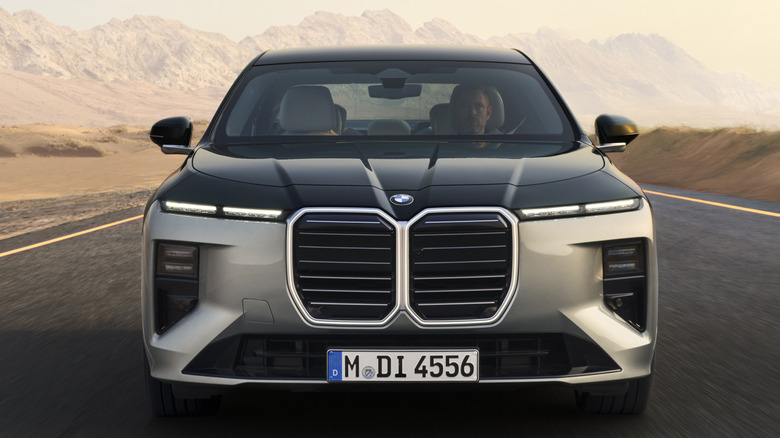
That can mean anything from restyled headlights and taillights to reworked bumpers, updated infotainment software, or even a revised engine lineup. Automakers will also sometimes facelift cars to make them more in line with the brand's newest design language. The 2027 BMW 7 Series facelift is exactly that, with BMW reworking the sedan's grille, lighting, and dashboard to bring it in step with the brand's new Neue Klasse styling, without upgrading the platform underneath.
Not all facelifts are the same
Our general answer to what a facelift means is, well, general. This means that there are many instances where automakers do more, while others do less. For instance, when the first generation of the Mercedes GLE SUV came out for the 2016 model year, it wasn't a new platform. It was instead a facelifted outgoing Mercedes ML-Class, with changes such as new headlights, bumpers, taillights, and engines. It's a similar story with how the new 2027 Mercedes GLS is a refresh of an existing refresh.
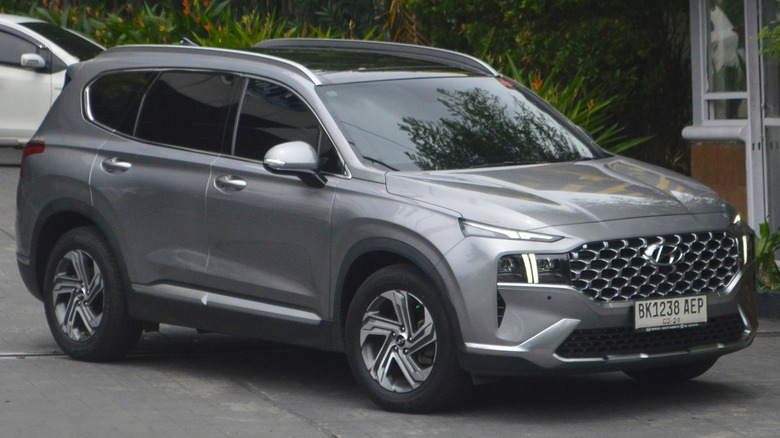
However, sometimes it happens the other way around. For instance, when Hyundai unveiled the 2020 Santa Fe SUV, it called it a facelift rather than a brand-new model, although it had very little in common with the pre-facelift variant. The exterior was extensively redesigned and the interior was updated, but the changes ran deeper. Hyundai's own account of the redesign points to a new third-generation platform, a more rigid crash structure, and an eight-speed dual-clutch transmission tucked underneath that reworked exterior shell. None of that is typical facelift territory — it's the kind of hardware change usually reserved for an all-new generation.
So the label doesn't tell you much on its own. Whether a "facelift" means a new grille and infotainment screen, or a wholesale platform swap dressed up in a familiar shape, comes down entirely to how much an automaker is willing to spend, and how much they want buyers to notice.
The blurred lines between a refresh and a new model
Many automakers have adopted a more conservative take on redesigning cars to avoid alienating existing customers. Others, though, do the opposite, changing design philosophies more thoroughly.
The Porsche 992 911 is an example of the first method. If you're not a Porsche nerd, you'd be hard-pressed to tell it apart from the 991 or even the 997. The best part: Porsche also facelifted each of these generations.
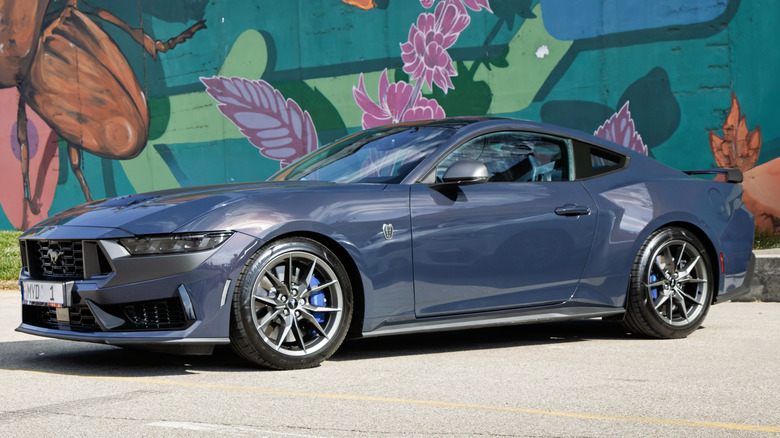
Ford's 2024 Mustang took a similar approach. Ford's chief nameplate engineer, Ed Krenz, told FordMuscle that the S650 carries over the S550's roof, floor, and structural core underneath the new sheet metal, calling it "a very major program that meets our legal definition of 'all-new.'" Hagerty was more blunt, calling the redesign "a mild, unremarkable evolution of the existing rear-drive architecture." Most of what looks new is really a reshuffling of familiar styling cues rather than anything built from scratch. The dimensions and overall shape are close enough to the outgoing car that the resemblance isn't exactly subtle.
The 2027 Mercedes S-Class runs the opposite play: It looks about the same on the surface, but what's underneath tells a different story. Mercedes says it reworked more than half the car — some 2,700 parts — but the changes you see with your own eyes are limited to a new front and rear bumper, a bit of trim, and new wheels. Our own first-drive review called the changes an incremental improvement on an already excellent car, even while noting the driving experience is "vastly the same as before."