

Why Many Diesel Engines Have Two Fuel Filters But Gas Engines Don't
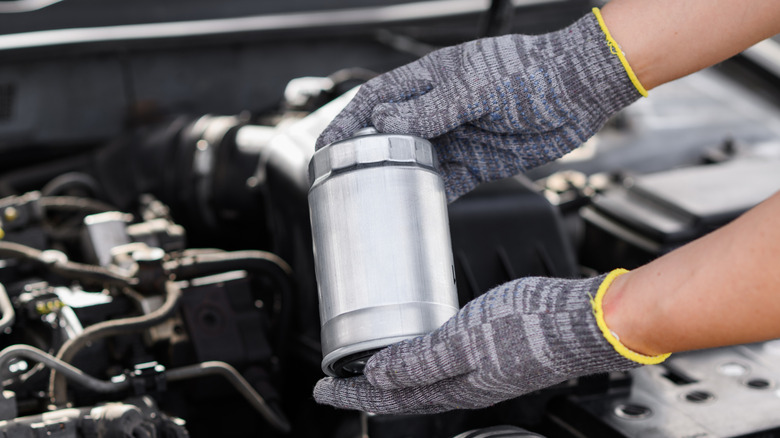
Most diesel engines have two fuel filters to protect fuel system components from dirt and contaminants. Diesel engines are known for their robust build quality and thermal efficiency. However, modern diesels (particularly those with high-pressure common rail direct injection or CRDI) require cleaner fuel to make everything work. Aside from the fact that diesels are finicky about fuel quality, those torque-rich engines are rather sensitive to contaminated diesel fuel, and that sensitivity stems from the very high fuel pressures needed for diesel engines to perform at their best.
Depending on the engine type, the injectors of a gasoline motor spray fuel at around 10 psi to 60 psi. Those numbers are nothing compared to the fuel injection of a diesel engine, which typically operates between 10,000 psi and 30,000 psi. Diesel fuel is thicker and denser than gas, and higher pressures are needed to atomize the fuel for combustion.
Under those conditions, even a speck of rust or dirt can compromise the injectors, fuel pump, and fuel lines, and that's why most diesels have two fuel filters. However, some diesels have only one fuel filter that neatly packages the water separator and secondary filter into a single filtration unit.
Modern diesels require two types of fuel filters

The fuel system of most diesel engines consists of a primary and secondary filter. The primary filter can strain larger particles of 10 to 15 microns in size. Considering a grain of salt is around 100 microns, the primary unit can filter out particles much smaller than that. Most primary diesel fuel filters are between the fuel tank and the fuel pump to ensure larger debris is caught early before reaching the fuel pump.
Meanwhile, the secondary fuel filter is located near the engine. In most applications, the secondary unit can filter particles 3 to 5 microns in size, ensuring the fuel is relatively clean before entering the fuel injectors. The injectors of a diesel engine are, like the motor itself, relatively durable and have long service lives. Then again, they are sensitive to cleanliness and fuel quality, and dirty fuel is one of the primary reasons that diesel injectors can fail prematurely.
Besides the injectors, contaminated diesel fuel results in mediocre performance, poor fuel economy, clogged fuel filters, and dirty emissions. Moreover, diesel fuel contains paraffin wax and asphaltene that solidify and clog the fuel filters over time. Clogged filters can severely impede the flow of diesel inside the combustion chamber, and that's not good for a machine that relies on precise fuel delivery to produce power.
When to change diesel fuel filters
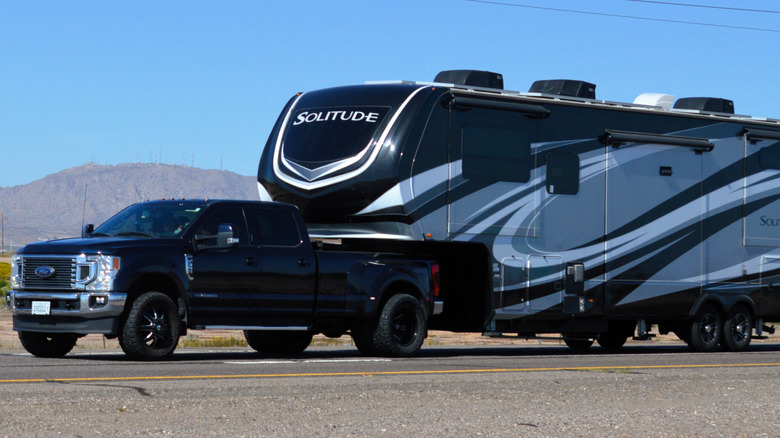
The general rule is to replace the fuel filters before the diesel engine begins idling roughly, vibrates or shakes unnecessarily during operation, emits weird or unusual noises, or is difficult to start. With that said, the replacement intervals of diesel fuel filters will depend on the make, model, or motor brand, so it's best to refer to the owner's manual. In general, diesel fuel filters need replacing every 10,000 to 15,000 miles, and doing so is a smart move that'll keep your diesel engine humming, along with frequent oil changes and DEF replenishment.
Heavy-duty diesel engines that endure harsh operating conditions may benefit from more frequent fuel filter changes, so it's still best to refer to the manufacturer's recommendation for servicing and maintenance. Speaking of which, diesel vehicles are inherently costlier to own and maintain than a comparable gas-powered car. But for drivers who tow frequently, ferry heavy loads, or do a lot of high-mileage driving, the high torque of diesels are worth the compromises.