

Why The EPA Caps Benzene In Your Gas At 0.62 Percent (And Why It Matters)
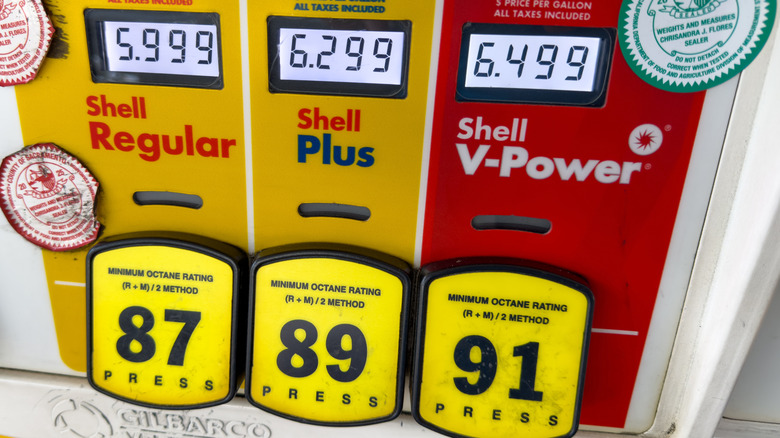
Since the start, the makers of gasoline have searched for a fuel that reduces knock as much as possible. That's what led to the use of leaded gasoline in the United States until the Clean Air Act was passed in 1970, when measures to reduce reliance on leaded fuels were introduced. Leaded gasoline drastically reduced knock, but it also may have caused anxiety, depression, and ADHD, especially in children. Once fuel producers began phasing out lead additives, they needed another additive to increase the octane rating of gasoline and keep knock to a minimum.
Additives with benzene were the next most obvious choice, specifically an additive known as BTEX complex, which contains benzene, toluene, ethyl-benzene, and xylene. This mixture is also known as gasoline aromatics and is what gives gasoline its signature smell. While this mixture is effective at raising the octane levels of gasoline, it's also not without its risks. Benzene is a known carcinogen, and exposure can result in a host of short-term and long-term side effects. That's why, in 2007, the Environmental Protection Agency took steps to limit the concentration of benzene in our fuels.
Benzene on the brain
The restriction placed on benzene concentration in fuels is part of the Mobile Source Air Toxics rules from the EPA, requiring that fuel refiners in the U.S. "meet an annual average gasoline benzene content standard of 0.62 volume percent (vol%) for all of their gasoline, both reformulated and conventional." This ruling took effect at the beginning of 2011, though it also introduced a credit trading program that lets refineries earn, trade, and sell "benzene credits" by complying with the regulations, effectively granting refineries permission to skirt the rules and produce fuels with higher benzene concentrations by buying credits from other refineries.
The purchase and trade of these credits doesn't allow refineries to exceed a yearly maximum average benzene concentration of 1.3% by volume, however. Essentially, if a company is willing to shell out for it, they're allowed to produce fuels that, on average, double the baseline concentration of benzene.
Within a few short years, the effects of this policy were already clear. One 2016 study published in Atmospheric Environment reported that the ambient benzene concentration — that is, the amount of benzene measured in the air — had fallen by nearly 50%. Researchers also found that the average benzene content in gasoline had been reduced by 70%.
As ambient benzene exposure has been correlated with increased risk of dementia, depression, and anxiety (notice any similarities to the effects of lead-based fuel?), these substantial decreases could have a positive impact on health across the nation. If sky-high gas prices that aren't coming down anytime soon weren't already pushing you toward clean energy and clean driving, these positive health effects might make the transition even more appealing.
Ethanol, EVs, and beyond
While it might seem that gasoline production is stuck between a rock and a hard place when it comes to air pollution, it's still true that some options are measurably better for public health than others. For all the hullabaloo around ethanol in the past decades, the data is clear: Ethanol is both a cheap source of octane and has a much lower health impact than even further reduced benzene concentrations. Aside from the normal carbon dioxide-based issues of combustible fuels, ethanol's biggest polluting factor is its possible contribution to nitrous oxide emissions. However, the data here aren't conclusive.
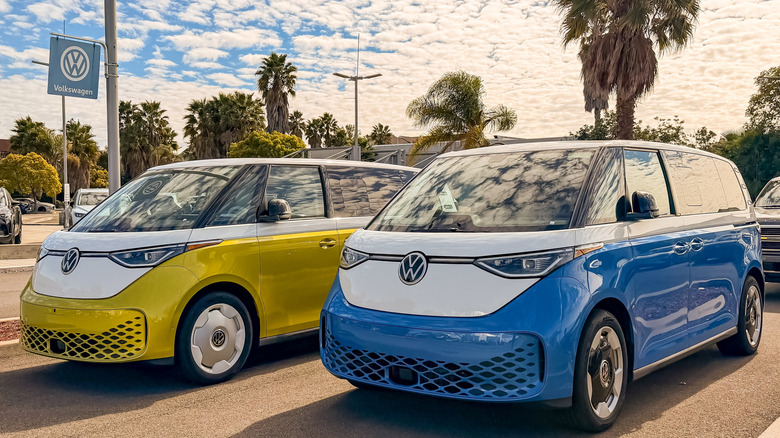
Of course, a more direct route to cleaner air and better public health lies in higher adoption of electric vehicles — assuming we're to maintain a car-centric culture, that is. Despite important concerns about the ultimate sustainability of the rare-earth mining operations currently central to EV production, it's already possible to see the direct results of EV adoption on air quality. Take California, a state where EV adoption has made the air cleaner, as an example. There, use of EVs at a scale of about 5% of light-duty vehicles has been linked to lower levels of atmospheric nitrogen dioxide, which causes respiratory issues and also contributes to acid rain.