

Flock License Plate Readers Drive Small Town Into A State Of Emergency
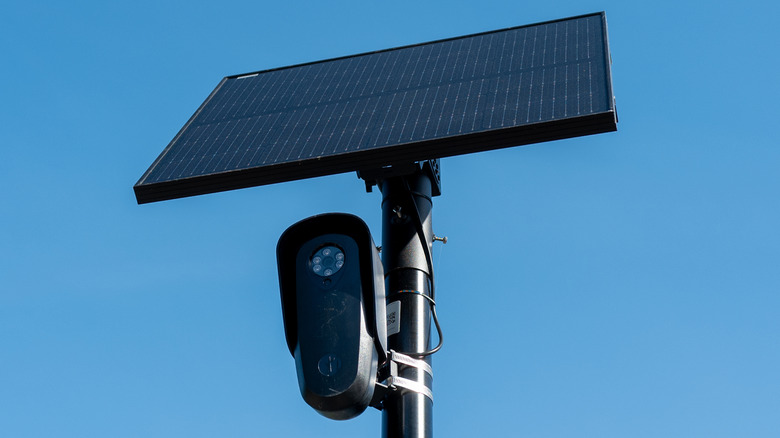
The government of Troy, New York, is at war with itself over the installation and use of Flock cameras across the city. The Washington Post reports that Mayor Carmella Mantello has declared a state of emergency specifically to keep the cameras on, after the city council voted to defund the cameras it says the council was never consulted about installing.
The Flock cameras are controversial enough in themselves, with all sorts of untoward uses from shady business practices and their use for immigration enforcement, to tracking out-of-state travel for abortions, or even for no apparent reason at all.
Troy began a pilot program of Flock cameras in 2021, which it later expanded to a total of 26 cameras across the city. The problem is that neither the citizens of Troy nor the city council were consulted about this. Typically, council approval is required for expenditures over $35,000, and a two-year contract for the cameras now costs $156,000. Steven Barker, Troy's deputy police chief, told the Washington Post that the department followed the normal procurement procedure for the contract. Yet somehow, the city council remained out of the loop, only becoming aware of the cameras through recent protests at city hall after citizens discovered them and were displeased.
Once the use of Flock cameras came to light this past March, the council requested to review the contract and asked questions about exactly how the cameras were being used, according to the Times Union. It received no answers or information, then voted unanimously to table the resolution, including stopping payments to Flock. That led Mayor Mantello to declare an emergency to ensure payments to Flock continued, unilaterally overriding the council's decision. The city council is now suing Mantello for overstepping her authority. Mantello claims the council overstepped its authority in stopping the payments.
Who's in charge here?
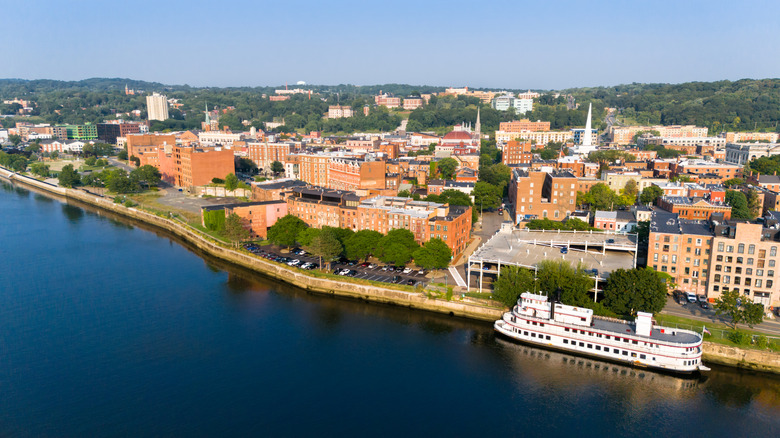
"The cameras are used in almost every investigation our detective bureau pursues," deputy chief Barker told the Washington Post. That says a lot about just how much police are relying on these cameras, which track everyone, whether they are part of an investigation or not. It's entirely plausible that police have solved some major crimes with it, including two homicides, as Barker claims. However, neither city residents nor the city council seems to have had a choice about being watched this way.
That's not the only privacy concern, either. Data security is another concern, and rightfully so. From the Washington Post:
Shikole Struber, a council member who works in cybersecurity, said she has questions about Flock's methods of securing data. She said the company hasn't provided any compliance reports or documentation to the council showing how it is protecting data, after repeated requests, and the police have released only partial audits of the material.
"I am absolutely concerned with the security of Flock still," she said.
According to deputy chief Barker, ALPR data is only stored for 30 days and then deleted. Additionally, police have "paused" their participation in Flock's national database, but only after they got caught already sharing data nationwide this past March.
Finally, there's the issue of whether the Republican Mayor has the authority to declare a state of emergency to bypass the Democratic city council anytime she wants. This concerns not just Mantello herself, but setting a precedent for the future, regardless of which party is in charge. Basically, the whole situation is a mess, with both sides refusing to budge. The matter now goes to the state Supreme Court to decide.