

Consumer Reports' Top Used Cars List Shows Why We Must Choose Older Vehicles Wisely
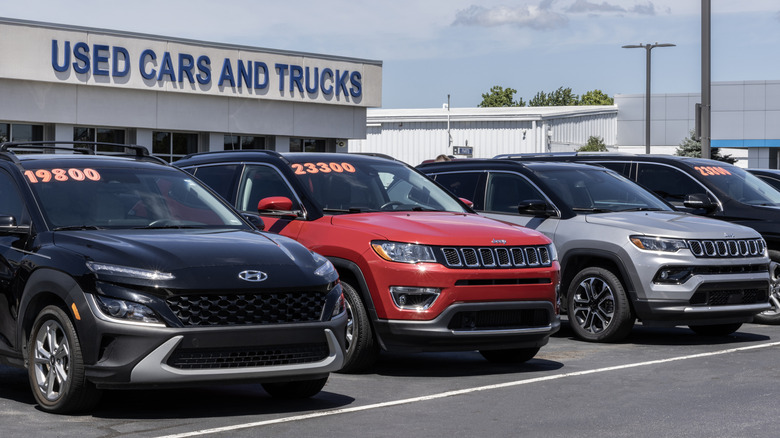
At time of writing, the average price for a new vehicle in the U.S. is hovering around the $50,000 mark, and finding a reliable, affordable new car seems to be getting harder every day. There are plenty of reasons why: inflation, fallout from tariffs, fewer base models on dealer lots, and lingering COVID-era supply chain issues. Regardless of the Rite Aid receipt-length list of reasons why new cars are really expensive now, the fact remains the same: that "new-car smell" is staying just out of olfactory reach for most of us right now.
What about the used market? Well, in 2026, you'll still have to contend with jacked-up prices not seen since the thick of the COVID-19 pandemic. According to Consumer Reports, finding a well-priced, long-lasting used car requires more shopping savvy and patience than ever. Based on the outlet's latest list of best used cars, you might even be better off with an older used vehicle than picking up a spiffy new(ish) lease return.
So, why isn't a lightly used, relatively fresh vehicle -– packed with the latest tech, active-safety, and aromatherapy doohickeys –- always the best option? The factors are myriad — depreciation, cost of ownership, unknown (or undiscovered) failure points, long-term reliability, and insurance fees can make all the difference in how much you pay for a used car. Here's why — and how — you should take these factors into consideration while you are shopping for a used car.
Newer doesn't always equal better
The allure of a newer used car is real. Do a side-by-side comparison of a highly rated, two-year-old, low-mileage rig next to an eight-year-old, previous-generation version of the same model. The newer-gen option, perhaps packed to the gills with sweet new tech and safety gadgets, might seem like the obvious choice -– but that's not always the way to go if you want to pay less.
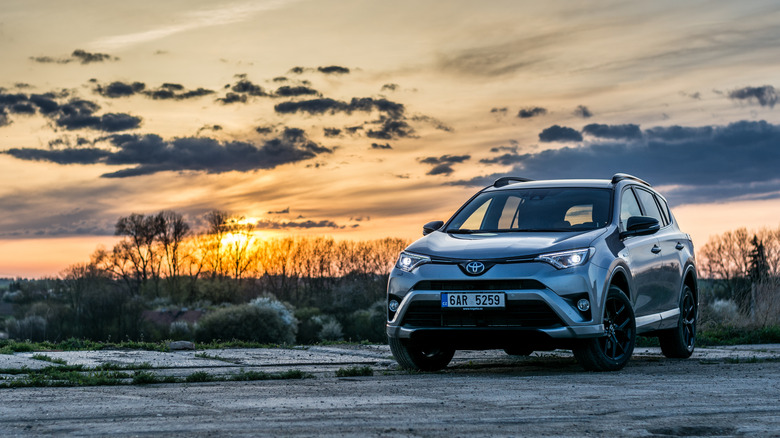
For example, in 2026, a used 2018 Toyota RAV4 Hybrid has a current resale value of roughly $16,850, according to Kelley Blue Book. Per KBB, this represents a roughly 20% depreciation rate over the past three years, owing to this RAV4 Hybrid generation's impressive reliability. In fact, although the 2018 RAV4 Hybrid has been subject to some recalls, a well-maintained used model will hopefully have had those issues addressed by the time you're behind the wheel.
By comparison, a 2024 RAV4 Hybrid still enjoys low depreciation (13% over two years, according to KBB), but since it's a newer car, it still has a resale value of around $28,600 in 2026, per KBB. That's good chunk pricier than the 2018 RAV4 Hybrid. You can also expect to pay higher insurance rates with the 2024 model, due to its higher estimated value.
The pros (and pitfalls) of a 'newer' used car
Not even taking redesigns or new models into consideration, newer vehicles can also be prone to pricier potential repairs. Put simply, if you purchase a newer used vehicle with newer equipment that can fail, you not only pay more money upfront, but you'll also have less of an idea of if (or when) you'll be dealing with a major equipment failure or recall down the line.
For example, newer cars are more likely to have the latest mechanical tech, advanced driver-assistance systems (ADAS), and infotainment features that are too new to have been proven reliable. Yes, these features -– especially ADAS equipment -– can make a car safer or more efficient compared to older used vehicles. However, as Consumer Reports says, older-gen used vehicles typically have more of these electronic and mechanical kinks worked out, since automakers have had time to identify and address any issues.
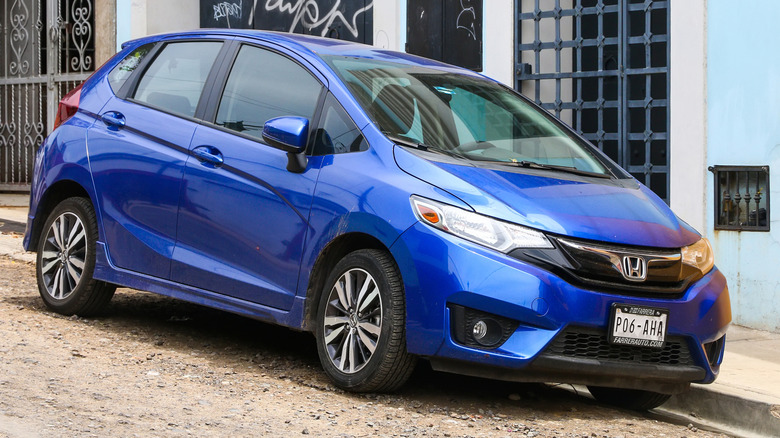
Take the 2020 Honda Fit. While this used compact car is reasonably modern (plenty of examples come outfitted with touch screens and useful ADAS equipment like forward collision warning), the 2020 model was also the sixth production year for the third generation of the Honda Fit. As a result, the Fit had plenty of time to be updated, evaluated, and proven to be a reliable, affordable, used ride — and with more mod-cons than older variants.
As the Consumer Reports article suggests, finding a good used car involves many variables, and a preowned vehicle's overall quality shouldn't always be judged by its vintage. Instead, consider both older and newer preowned vehicles in your shopping quest. And above all, do your research. It's a pain, but still a heck of a lot better than dealing with one of these horror stories.