

What Causes Spun Bearings — And Can They Be Fixed?
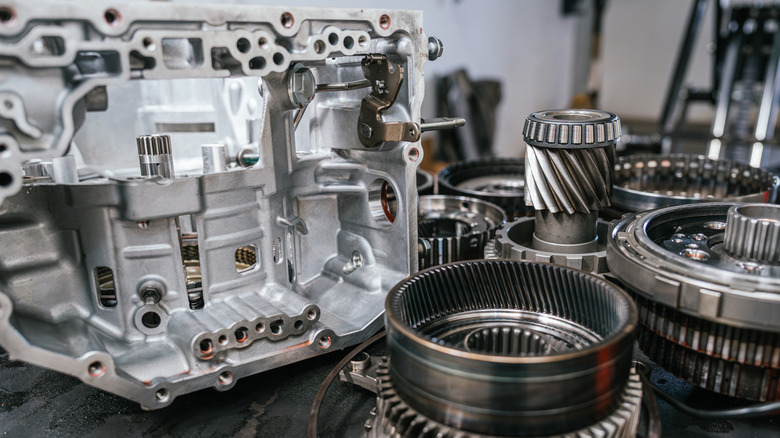
A spun bearing is one of the most dreaded failures in any engine — stock or race, gasoline or diesel, it doesn't discriminate. The damage is often catastrophic, the repair bill rarely pretty, and the worst part is that there are ways you can tell it's coming. Therefore, understanding what causes it is the first step to making sure it never happens to you.
The engine's crankshaft converts piston motion into wheel-turning torque, spinning inside curved metal shells called bearing shells. Those shells rely on a pressurized oil film just microns thick to keep bare metal from touching bare metal. When that film collapses — or the shell loses its tight, secure fit — the bearing seizes, potentially welding itself to the crankshaft journal, and the engine's fate is largely sealed.
A deeply worrying knocking rasp from the bottom end that worsens under load, paired with a sudden oil pressure drop on the gauge or dashboard, means one thing: shut it down and call a tow truck. Every mile driven transforms a difficult repair into a potential crankshaft regrind or replacement, or an engine rebuild — exactly the kind of car maintenance mistake that keeps your mechanic rich. Here's how to make sure it never gets that far.
What actually causes spun bearings?
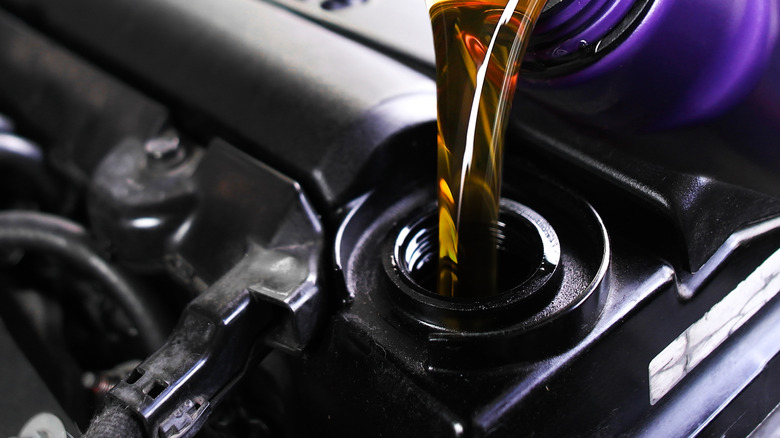
Many drivers assume a spun bearing is caused by running out of oil. The reality is that multiple contributing factors can push a bearing past the point of no return, and oil pressure is just one of them. Still, the first, and most frequently seen, pathway is inadequate lubrication. Low oil levels, a failing oil pump, waiting too long between oil changes, and using poor-quality oil can all starve the bearing of what it needs. Running the wrong viscosity for your engine's specific bearing clearances is equally dangerous — the film simply cannot hold under load.
Critically, what appears to be a sudden failure often has a longer history. Discolored crank journals and blackened rod bores are the physical evidence of a lubrication problem that had been building for some time.
The second pathway is contamination — a well-known cause of bearing failure. The most common engine oil contaminants include dirt, dust, and metal shavings that enter the oil and score bearing surfaces and journal faces over time, doing damage long before any obvious symptom appears. The third pathway is mechanical — detonation, high boost, nitrous, or over-revving the engine can generate pressure spikes the rod bearings aren't built to fully absorb.
There's also a less obvious culprit — too much oil. Overfilling the crankcase can cause the connecting rods to splash through the oil, creating air bubbles in the film. Those bubbles provide zero protection between the bearing and the crankshaft journal.
Can a spun bearing be fixed? And how do you avoid it?
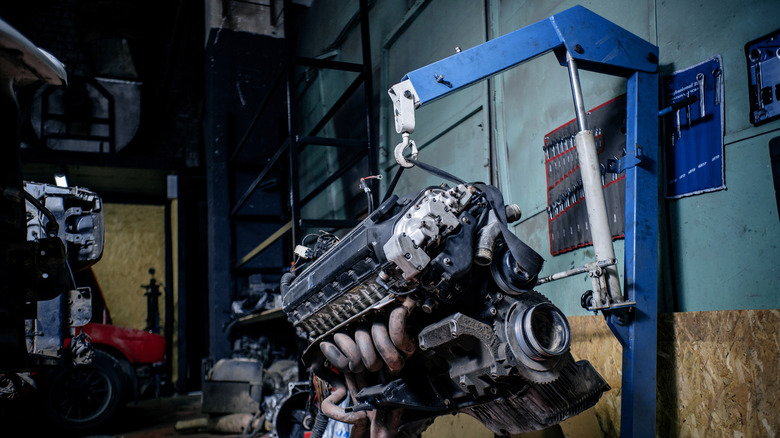
The short answer is: sometimes, but fixing damage from a spun bearing is anything but cheap. At a minimum, the engine will require a full bottom-end teardown. This means crankshaft resurfacing, possible re-machining of the rod or main bore, and correctly sized replacement bearings throughout. If the crankshaft journal surface has been damaged — a common occurrence — engine replacement becomes the more sensible option. Repair bills typically run between $2,000 and $3,500 for a rebuild, or $3,000 to $7,500 for a full engine replacement.
Prevention is far simpler than the cure. The single most effective thing any owner can do is maintain consistent oil change intervals and always keep the level topped up. Forgetting to add fresh oil after a change can be enough to spin the main bearings.
Using the oil viscosity specified by your manufacturer matters equally — thinner oil than your engine requires simply cannot protect the bearings under load. Beyond that, respect the rev range your engine was built for and address any oil pressure warning lights immediately rather than hoping for the best. A spun bearing is not a minor problem. It's a big one. Therefore, it's best to do whatever you can to prevent it.