

NASA Wants Twice-Yearly Flurry Of Missions To Build Moon Base
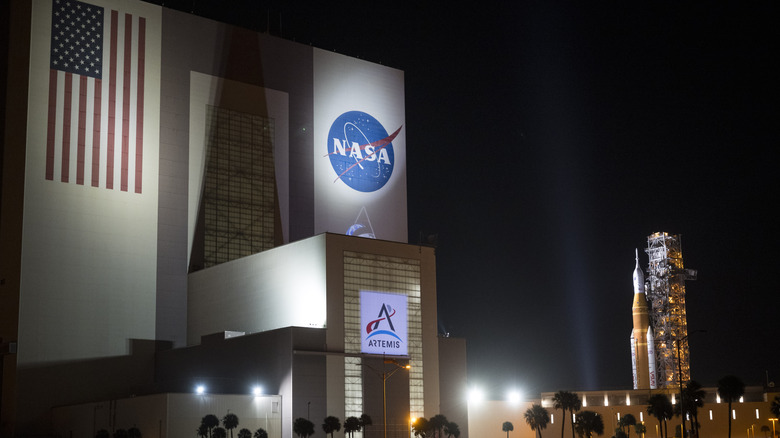
The rocket for Artemis II was rolled out to the pad last week for an expected launch in early April. NASA views the crewed lunar flyby as the next step towards a permanent moon base. The space agency announced on Tuesday that it's aiming for a lunar landing every six months to construct and supply humanity's future furthest outpost. Obviously, these ambitious plans are contingent on NASA developing a reliable method of reaching the Moon.
As a quick refresher on the Artemis program so far, Artemis I was conducted back in 2022 as an uncrewed lunar flyby to test the Space Launch System rocket and Orion spacecraft. However, pieces of Orion's heat shield chipped away during the mission. NASA delayed Artemis II from November 2024 to this year as a result. Artemis III, the first Moon landing since Apollo 17 in 1972, is slated for 2027. After that point, NASA wants at least one landing every year. Although construction of the permanent moon base won't begin until Artemis VIII, projected for the early 2030s. NASA Administrator Jared Isaacman said:
"NASA is committed to achieving the near‑impossible once again, to return to the Moon before the end of President Trump's term, build a Moon base, establish an enduring presence, and do the other things needed to ensure American leadership in space. This is why it is essential we leave an event like Ignition with complete alignment on the national imperative that is our collective mission. The clock is running in this great‑power competition, and success or failure will be measured in months, not years."
Space, the final frontier of capitalism
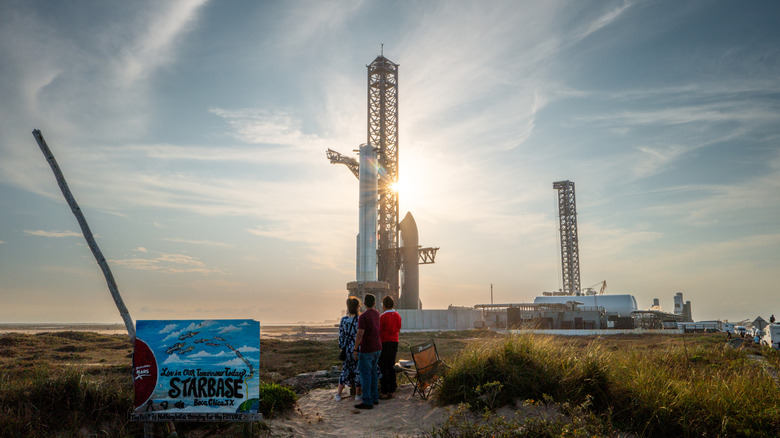
While the first five Artemis missions will be conducted with SLS rockets, NASA is looking to use commercial hardware to reach a once-every-six-month launch cadence. However, the space agency's private-sector partners aren't the most reliable collaborators. Artemis III could be delayed because SpaceX has yet to provide a flight-ready Starship lander. NASA handed $3 billion to Elon Musk's rocket company five years ago, and there's still no product. The space agency's recent reliance on private space companies was supposed to save money.
NASA is gradually becoming a government-funding chamber of space commerce. Along with making Artemis a commercial enterprise, the space agency wants to transform the International Space Station into a commercial station incubator. NASA proposed procuring a government-owned Core Module to be mounted on the ISS. Commercial modules would be attached to the new core and validated as an ISS segment before the entire thing is detached as a new station.
Back in the 1960s, Apollo would have been possible without Boeing, Grumman or North American. However, these contractors were building a singular cohesive NASA system without their logos plastered over it. These new commercial ventures feel less about space exploration or technical development, and more about enriching a handful of companies controlled by a few billionaires.