

How To Find A Car's Service Records When The Seller Doesn't Have Them

Buying a brand-new car isn't too stressful, once you've narrowed down your choices, that is. It's great fun picking out the color and adding the various accessories and options, plus, you get peace of mind knowing that everything is fresh, from the cloth on the seats to the oil in the engine.
However, buying a used car is a completely different experience. You really have no idea how it's been treated in the past, aside from looking at the condition and service history, which together at least paint a picture of how it's been maintained. Still, monthly oil changes don't mean it's not hiding electrical faults or being tracked on the weekend.
So, service history is seriously important when determining whether a secondhand car is worth your investment. You would be right to worry if service history is missing or incomplete, but it's not the end of the world, as you can often chase it down yourself, even if the seller has misplaced it. There are a few different ways in which you can track down a car's maintenance history. So, if you come across the perfect vehicle but an absence of records is putting you off, a few hours of sleuthing around could soon turn the tables of trust for you.
Contact the main dealer

This is the easy one, and it's probably common knowledge among many gearheads. If you're considering buying a used car, either from an independent garage or a private seller, but there are gaps in the history, you can often chase them down by speaking to the main dealer itself.
Now, some brands will be more helpful than others. It's not uncommon for dealers to cite privacy regulations, saying they cannot discuss details of history with anyone besides the owner. However, you could always ask the seller to inquire for you if this is the case, as they would technically be the owner at this point. If the manufacturer or main dealer is able to help, they will probably require the VIN number and registration details, so make sure to have these documents on hand.
It's also worth noting that, on many modern vehicles — such as BMWs – the service history may be accessible via the car's infotainment system. So, be sure to try this first if you can't get your hands on a physical record.
Look for stickers in the engine bay or door jambs
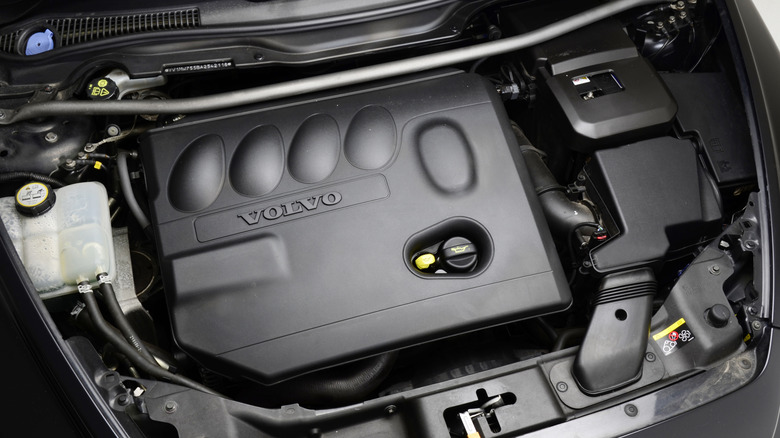
Some tips and tricks are old school and don't require navigating privacy rules or access to various online systems. When you bring your vehicle in for service, particularly for basic maintenance services like oil changes, as well as some larger jobs like timing belt or chain replacements, some garages may place a sticker in the engine bay, door jamb, or windshield with details of what service was performed and when. This was particularly helpful prior to service reminders that ping on the dash, but these stickers are still commonly used today.
For example, enthusiasts on owners' forums point out that all genuine Volvo timing belt kits come with a sticker, which is designed to be filled out with the appropriate date and mileage and placed under the hood somewhere logical and visible. Should the service book be lost, this functions as lasting evidence that the job was completed.
If the previous owner visited the same shop repeatedly, a quick call to the garage may reveal a long list of work that's been carried out in the past. This is also a great way to verify the records in the service book, as fake history is a real car-buying red flag if you can spot it. Call the garage that stamped the records, let them know you're considering buying the vehicle, and tell them that you just want to double-check the maintenance history.
Contact the previous owner

To avoid annoying old owners and getting dealers in trouble for handing out personal details, reaching out to the previous owners should be a last port of call. However, according to enthusiasts' comments online, it's certainly worked for folks in the past, so it could still be a great way of finding that all-important service history.
If there are any documents present with the previous owner's details, you could simply give them a call or drop them an email, asking if they hold any records, or if they can divulge where they had service work done. They may just ignore you, or they may come through with the info, so as a final effort, this could be a good way to conclude your investigation.
Alternatively, if you don't want to personally bother old owners without their permission, simply ask the dealer selling the car to give them a call for you. If you're looking at a car that was traded in, the dealer may already have a relationship with the previous owner, and if it helps the salesperson clinch a deal, then everybody's a winner.
Carfax could be the answer here

If building a better picture of your potential purchase's maintenance history is the aim of the game, then using Carfax could be crucial. The online service has access to the largest database of such details in the world, and by simply entering the vehicle's VIN number, you can find results for that specific car from within this database.
Not only will you get details on any logged service history, but Carfax will also show any stored data on previous accidents and thefts, how many prior owners a car has had, any outstanding recalls, mileage manipulations, whether it's ever been used as a taxi, and basic information on the vehicle itself.
It's not exactly cheap at $44.99 per individual search, and you may wish to try some of the aforementioned methods first. However, it's an expense that can be easily justified if it nets you valuable information on the vehicle of interest. You can also reduce the per-search cost by buying four searches for $109.99, which is great if there are multiple contenders for your next daily driver, but not so useful if you've got your heart set on one particular example.