

The World's First 9-Speed Automatic Transmission Was Plagued With Problems
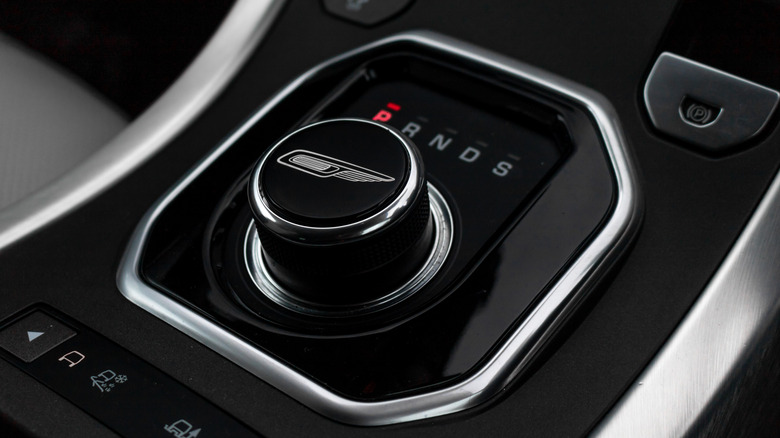
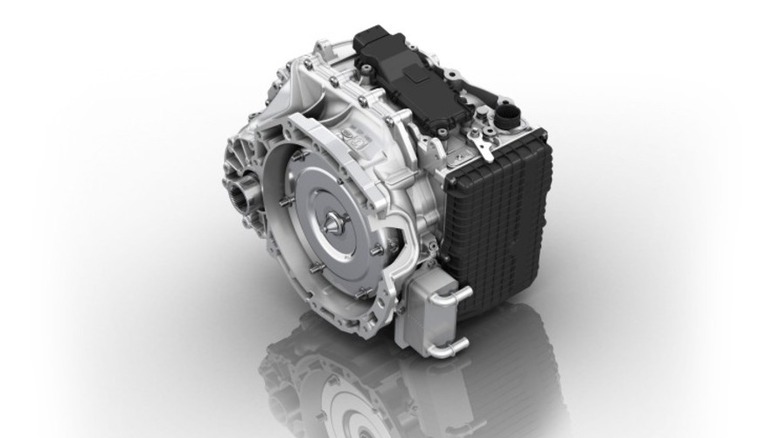
The automotive industry is constantly evolving, but rarely does something come along that changes the game entirely. However, when the ZF 9HP nine-speed automatic transmission debuted in early 2013, it did look to be a real revolution. It packed a full nine gears into a compact housing, and promised improved fuel economy and smooth performance, which should instantly have made old five- and six-speed units look outdated.
The ZF 9HP used innovative design to achieve these, packing dog-style clutches and a broad gear ratio spread to deliver upon the brief. In theory, this brilliant new design would allow a variety of models within the ever-expanding SUV and crossover segment to eke out better fuel economy, all while providing a buttery smooth power delivery. It should come as no surprise that a wide spread of automakers jumped at the chance to utilize it, from Land Rover to Fiat, in addition to reliability kings, Acura and Honda. Sadly, these great cars were ruined by their transmissions.
Unfortunately, it quickly became apparent that the ZF 'box had bitten off more than it could chew. Attempting to squeeze such capability and complexity into a petite housing led to issues almost immediately, with owners noticing delayed shifting and hesitation under acceleration. Ultimately, the very features which were designed to ensure the 9HP transmission impressed were now holding it back.
As complaints piled in and matters escalated, the ZF transmission soon caught the attention of regulatory bodies like the NHTSA, so recalls were soon forthcoming. Sure, the 9HP was still impressive, and it did lead the move toward the nine- and 10-speed transmissions we see today, but the inconsistent reality of using one back when it debuted cast a dark shadow that would continue to follow it throughout production.
Digging into the 9HP's inherent flaws
The real-world concerns surrounding the 9HP were more than just inconveniences, they posed genuine safety concerns, and the problems fell mainly into one of two camps: software-related concerns, and mechanical failures.
It has been noted that many of the 9HP's flaws are down to software, so it's essential for owners to ensure that they have had any transmission updates carried out, and that the transmission itself is properly calibrated. However, others argue that — despite various software updates – issues such as harsh shifts, gear-hunting, delayed changes, and lurching continue to happen, suggesting the problems are much more than just software-deep. It should also be noted that these symptoms are widespread for 9HP-equipped cars, as owners of various makes and models suffer the same fate.
Aside from software faults, it has become clear that mechanical issues are also responsible for some of the 9HP's failings. It was discovered that an improper crimp on the wiring harness had the ability to affect how the transmission shifts, and due to high electrical resistance, it would actually cause it to randomly shift into neutral. Losing drive can be anything from annoying to downright dangerous, so as a result, more than half a million transmissions were recalled.
In addition, an earlier NHTSA recall from late 2014 reports instances in which contamination from the manufacturing process could cause the parking pawl to fail, meaning cars might roll away despite being in park. The combination and seriousness of all the above has resulted in not only hefty repair costs for owners, but automakers have also had to move away from the design, in an attempt to repair their own reliability reputations and find a less troublesome replacement.
The aftermath of ZF's troublesome 9-speed
As the above highlights, the first port of call for ZF and linked automakers was to try and correct the established wrongs, mainly through recalls and software updates. However, these changes and updates were not cure-all solutions. Courts have seen complaints that vehicles continued to exhibit the aforementioned concerns even after software updates were applied and new parts installed at dealerships. And so many owners were left with unreliable cars, and big repair bills. A transmission fluid change could set you back up to $300, while other problems — such as those requiring solenoid, clutch, and entire transmission replacements — could easily see bills soar north of four figures.
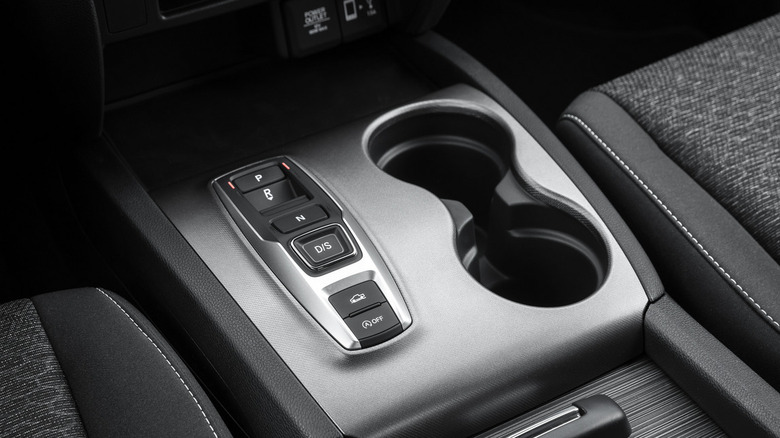
Of course, the 505,000-strong recall relating to the wiring harness would have put considerable financial strain on both ZF and automakers, in addition to bad press for everybody involved. As a result, many automakers looked to drop the 9HP and opted to develop something more dependable. Honda now favors its own eight- and 10-speed transmissions, and Fiat introduced an all-new eight-speed unit, although Range Rover continues to persevere with the 9HP in its smaller models, like the Evoque.
While ZF transmissions are typically some of the most indestructible transmissions out there, the 9HP was just too advanced for its own good. However, there is always a silver lining, and the takeaway here is that ZF's troublesome 9HP walked so that later releases — from a whole range of manufacturers – could run. Just 12 years ago a nine-speed transmission was big news, now we commonly see eight or more speeds offered by most automakers, which allow us to net more miles for our gallons, and perhaps most importantly, they keep us away from pesky CVTs dominating the market. Even if some say enthusiasts' general hatred of CVTs is undeserved.