

The Most Dangerous Days To Drive In America Have Been Remarkably Consistent
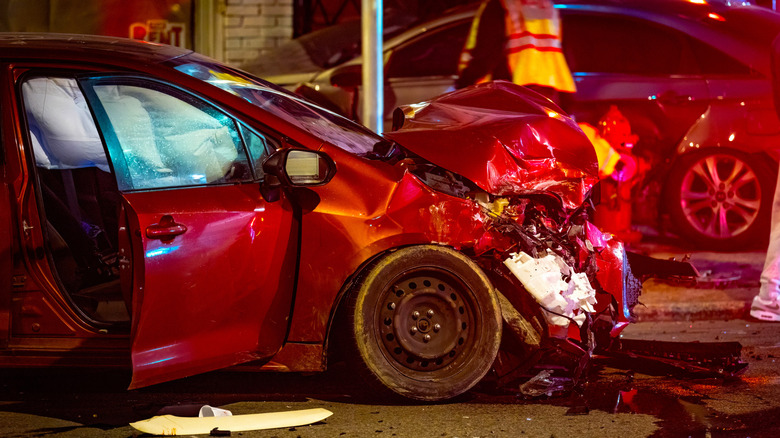
In a grim reminder of just how deadly U.S. roads can be, 40,901 people were killed following automobile accidents in 2023, per the Insurance Institute for Highway Safety. Among other factors, the number of collisions depend on where you reside, as these U.S. states had the most car crashes in 2024, with Massachusetts topping the list. But if you want to go even further, there are apparently certain months that carry more risk for those behind the wheel than others.
Major holidays such as Thanksgiving, Christmas, and New Year's are among some of the largest contributors for accidents. The National Safety Council (NSC) estimates around 429 fatalities involving motor vehicles between December 31st, 2026, and January 3rd, 2027. You might balk at this assertion, wondering how the organization could possibly estimate such as figure. But when looking over data covering the last six New Year's holidays, it shows an average close to the NSC's tentative number. It isn't just holidays that factor into the danger; the whole of summer is another period of time when more accidents occur.
Factors that contribute to an increase in holiday and summer car accidents

Holidays prompt many Americans to travel, as these celebrations often involve extended families getting together. Take Thanksgiving, for instance, where AAA anticipated that 73 million people in 2025 would utilize motor vehicles to reach their destinations, making up the overwhelming majority of travelers during the time. With more cars on the road, the chances of an accident increase.
Of course, holidays can often include alcohol, which doesn't mix well with driving. According to the United States Department of Transportation, data from Thanksgiving drunk-driving accidents between 2019 and 2023 accounted for 868 deaths, with nearly 175 of those involving drivers registering at least a .08 blood alcohol level. Alongside Thanksgiving, drunk driving is a major reason as to why July 4th is rife with so many fatalities, making it clear that you shouldn't over-celebrate during the holidays.
Another factor that highlights the summer season in terms of road accidents is teenage drivers. When school pauses for a few months, teenage drivers take to the streets en masse. Essentially, the period between Memorial Day and Labor Day is referred to as the "100 deadliest days for teen drivers," with over 700 teen driver-related fatalities occurring in just 2022, per AAA. With newly-fashioned driver's licenses, these young people can behave recklessly, get easily distracted, and lack the driving skills to perform at the same level as older motorists. Though, becoming distracted behind the wheel isn't exclusive to teenagers; among the automotive rants you've wanted to let loose, some of your complaints centered around drivers with smartphones in their hands.
How to stay safe when driving during more dangerous days of the year
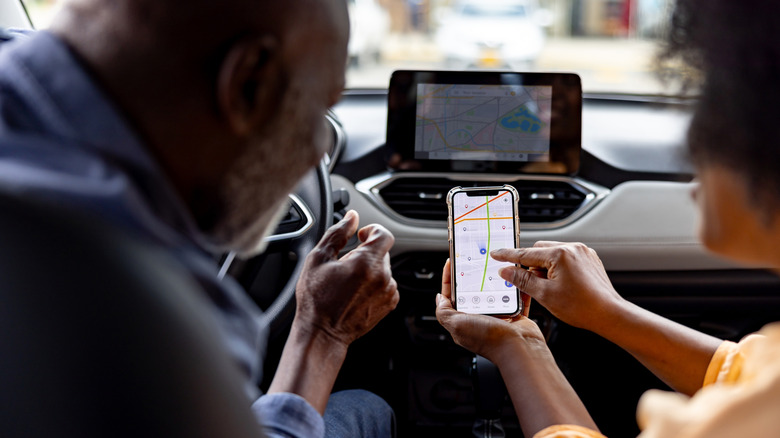
The usual recommendations to stay safe in your car — such as to lower your speed, focus on the road, and get plenty of sleep – are good to follow regardless of the day or time. Getting familiar with your intended route and leaving early can also help prevent trouble once a holiday trip is underway. If you've carefully looked over the navigation steps before getting behind the wheel, it can help minimize stressful situations, such as realizing you need to cross several lanes of highway traffic to make your upcoming exit. In addition, running late can exacerbate already frustrating conditions with unexpected traffic jams, which could lead to you (or other drivers) handling the road more aggressively than you should.
In terms of teenage drivers, the responsibility largely rests with the parents providing proper instructions, showcasing safe habits behind the wheel, and creating clear boundaries around driving. However, defensive driving techniques can help everyone else avoid incidents, including those with teenagers behind the wheel. This can include tips such as creating space around your vehicle by not getting too close to other cars, being ready to act, and anticipating the movement of others around you.