

Here's How The Depreciation Curve Works For Cars
As assets with useful lives of more than 1 year, nearly all cars face depreciation. Anyone who has sold or traded in their vehicle will know how painful it is realizing your car has lost a significant portion of its original value after only a few years of ownership. That difference between the amount paid for the car and how much you get in return is known as depreciation. Generally, the rate of depreciation tends to be steeper during the first few years and then slows down over subsequent years.
On average, cars lose 30% of their brand-new value in the first 2 years alone, according to Kelley Blue Book. The rate of depreciation then levels off to around 8% to 12% annually. After about 8 to 10 years, the car's value may begin to stabilize or even increase if it's rare and desirable. Suppose you buy a new SUV for $50,000. It may lose $8,000 or 16% in the first year, leaving you with a resale value of $42,000 or 84% after just 12 months.
If it follows the average trend and loses another 14% of its original value (for a total loss of 30%) by the end of the second year, you'll be left with a resale value of roughly $35,000 after just 2 years of ownership. Generally, that value will continue to drop as the years roll on. However, it doesn't work like this for all models, as different cars depreciate at different rates. Therefore, choosing the right vehicle can mean the difference between a model that loses over 70% of its original price and one that keeps the highest percentage of what it was once worth, even after years of use.
What are the factors driving car depreciation?
How much your car depreciates per year depends on several factors, including market demand and current trends. Used cars that are in high demand often have higher resale values than unpopular models. Similarly, cars that are no longer considered fashionable will have less demand than trendy vehicles. The car's make and model is another crucial factor that can affect depreciation, and marques that are popular in the U.S. usually depreciate slower than less popular brands.
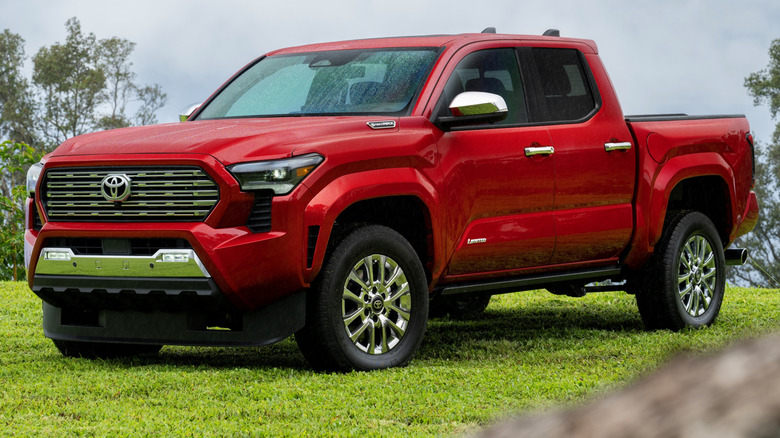
One obvious name that comes to mind as an example of this case is Toyota. Its cars have a reputation for being reliable, which makes them popular with drivers. Take the Toyota Tacoma. It is famed for being one of the most reliable pickup trucks around, and this gives it enough appeal to be crowned the new car with the best 5-year resale value. When we looked into the 2021 Toyota Tacoma's depreciation rate, we discovered that it typically loses between 21% and 22% of its original value in the first 5 years.
Yet another factor that can affect a car's value retention is its condition. A well-maintained car that looks clean, runs perfectly, and has a spotless maintenance record will generally be more desirable and, thus, fetch a lot more money on the used car market than one that's been treated poorly. Mileage is another important characteristic that can affect depreciation — the higher the mileage, the more wear and tear people assume a car has, leading to cheaper sale prices. The trim level, engine, and color are also factors that can affect resale value.
Ways to reduce your car's depreciation

For the vast majority of drivers, depreciation is pretty much impossible to avoid, but it can be minimized. One way to do so is to buy a car that people are likely to find desirable well into the future. It's always a good idea to begin your research with the brands and cars that hold their value well over time, like KBB's list of SUVs with the best 5-year resale values, as they're often good investments. Models such as the Porsche 911, Porsche 718 Cayman, Chevrolet Corvette, Honda Civic, and Toyota Tacoma depreciate extremely slowly and are therefore well worth checking out.
You'll also want to steer clear of excessive wear and tear. Fix minor scuffs and scrapes promptly, and keep the car clean. Regular maintenance and repairs will also help preserve your car's mechanical components and keep depreciation minimal. Additionally, it is important to avoid driving habits that place the car under unnecessary strain and to keep your mileage down. According to the Federal Highway Administration (FHWA), the average car in the U.S. drives around 13,500 miles per year. It's wise to keep your driving close to this national average if you want to get the best price possible when it comes time to sell.