

What To Expect With Dealer Vs. Safelite Windshield Replacements
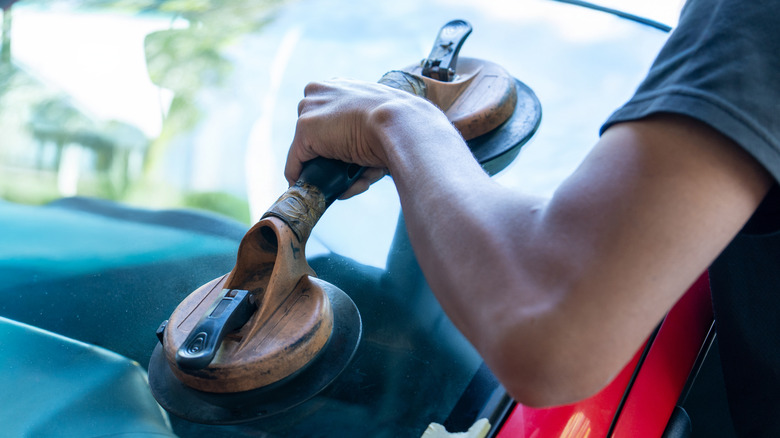
The front windshield of your car is not merely an expansive piece of see-through glass that protects your mug from insects, rain, and road water splashes. It's a critical structural and safety aspect of the vehicle, delivering up to 60% of the cabin's strength in a rollover and up to 45% in a frontal collision. However, cracks or damage to the glass can severely compromise its strength, making it extremely important to address small cracks or chips before they spread, which could also severely affect forward visibility. On the other hand, a windshield replacement is on the cards if the damage is near the edges of the glass.
But with everything getting so expensive lately, replacing a windshield is not for the faint of heart or those working on a tight budget, since you might have to fork over as much as $500, depending on the vehicle. If you have an exotic supercar or German saloon, a windshield replacement is sure to cost you a small fortune. With cost being the primary consideration, Safelite offers a viable alternative to dealerships for windshield replacements matching the quality of the original equipment manufacturer (OEM). Then again, Safelite primarily sells Original Equipment Equivalent (OEE) auto glass – but for the most part, the biggest differences from it and dealer replacements mostly come from cost and quality assurance.
Dealerships only use OEM parts
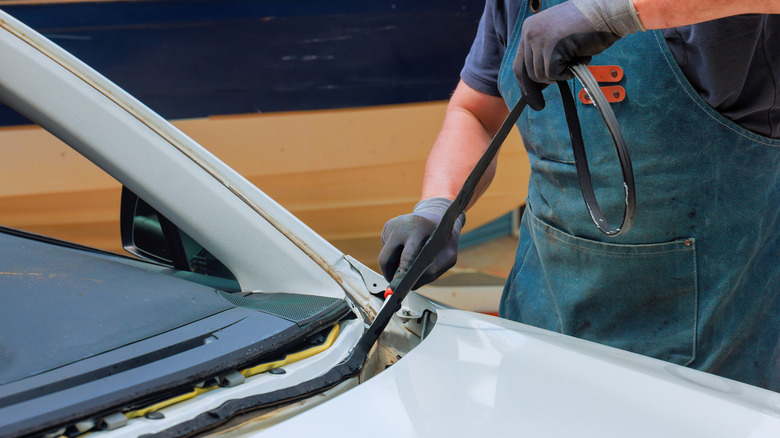
There are times when your only choice is to head to the dealership for a windshield replacement, and that's fine. Vehicles with advanced driver assistance systems (ADAS) require matching VIN-specific OEM windshields to ensure faultless calibration of various cameras and sensors. Those electronics need expert installation and servicing that can only be done with the right tools and materials, and that's what dealerships provide.
Safelite also offers OEM glass (which you'll need to verify with their representative during the appointment), but beyond the aforementioned ADAS quirks, its differences with the brand's OEE glass are minimal. OEM glass is manufactured by the same brand that made your car, while OEE glass conforms to similar OEM standards but is made by a different company or manufacturer. However, OEM parts are costlier, and dealerships have markups on labor and materials, which explains why replacing a windshield at the dealer could cost up to four times more than at Safelite or any auto glass shop. Another downside to dealerships is the long waiting time, since the service bay deals with other repairs, recalls, and warranty work than just replacing glass.
Safelite offers convenience
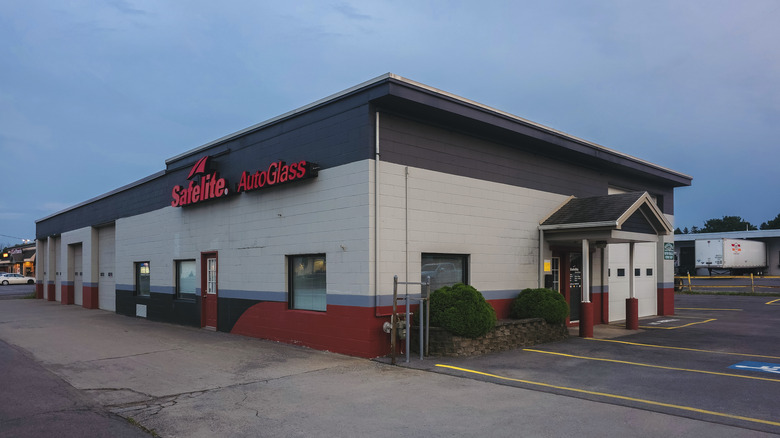
Whether you have a modern car or an older jalopy without ADAS, Safelite could be a more convenient and economical choice. For starters, Safelite has more than 7,000 locations and mobile glass installers across the entire U.S., and it backs up its workmanship and glass with a lifetime warranty. Plus, the company has partnered with insurance companies, so it can verify the insurance coverage and file claims on your behalf, which is kind of nice. Safelite also claims its replacement technicians have undergone classroom and hands-on training under the company's SafeTech certification program, ensuring their installers really know what they're doing.
Community members beg to differ, though, with a commenter on Reddit claiming that Safelite has technicians with less than three years of experience and has a hard time keeping more skilled workers within the company. Other posters were dissatisfied with the chip repairs or complained of uneven cut glass and shoddy installation. Ultimately, your experiences may vary, and the choice is up to you. If you don't mind paying for OEM quality and service, the dealership is your best bet for windshield replacements. If you're looking to save money, or if your insurance prefers OEE replacement glass, Safelite and other auto glass shops might be your top choice. Another option is a DIY windshield replacement, but you need tools and the right skill set to do it right.