

Here's What Driving With Bad Piston Rings Can Do To Your Engine
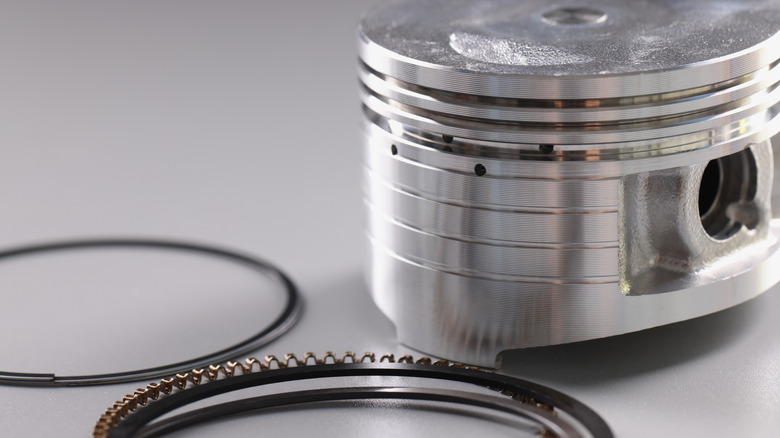
There's no need to sugarcoat what bad piston rings can do to your engine. Those rather thin cast-iron or steel rings may look small and irrelevant to untrained eyes, but they play a vital part in sealing the combustion chamber, supporting adequate heat transfer, and maintaining adequate lubrication between the piston and cylinder wall. They also regulate oil consumption, which helps to reduce toxic emissions.
With a lengthy to-do list, bad piston rings will cause the engine to shudder, vibrate, stutter, or stall. Worn rings will enable gaps to form between the piston and cylinder wall, allowing combustion gases to seep into the oil sump. The compression loss will rob your motor of horsepower, acceleration, and fuel efficiency.
Meanwhile, the blow-by gases that make their way into the oil sump can cause oil contamination, which can damage the engine. At the least, it will require more frequent oil changes to avoid sludge formation. Worn rings will also allow oil from the crankcase to migrate into the combustion chamber and cause excessive carbon deposits.
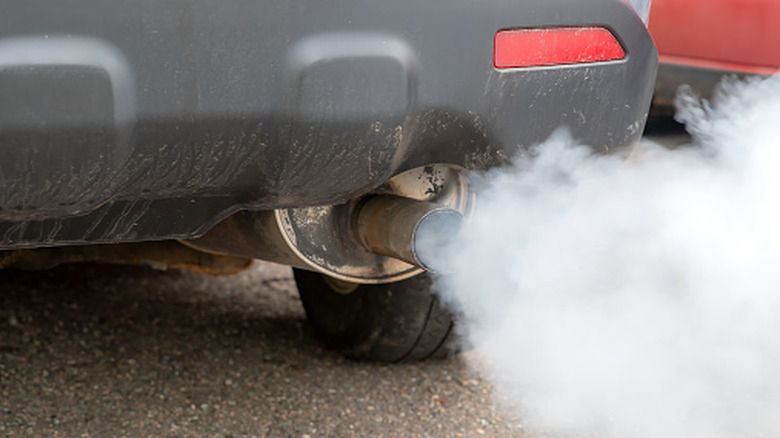
If that sounds like bad news, it is. Internal combustion engines normally burn a little oil during the combustion cycle, but burning too much oil won't do the engine any good. All that shuddering, stuttering, and premature stalling are usually accompanied by a plume of bluish-white smoke from the tailpipe, and the engine may become difficult to start or refuse to wake up altogether.
In short, forcing an engine to run with bad piston rings is not good. Not only is the experience rather unpleasant and boisterous, but it will destroy the engine and result in epic repair bills, particularly for a complete engine rebuild or an engine replacement.
What causes piston rings to fail?
Most four-stroke internal combustion engines have three rings per piston, while two-stroke motors typically have two. The top and second rings are typically referred to as the compression ring and wiper ring. The former seals the piston from the cylinder walls and ensures there are no leaks in the combustion chamber. The third ring, what most call the oil ring, scrapes the excess oil from the cylinder wall as the piston moves down, essentially routing the oil back to the sump underneath.
If any of the two or three rings fail, break, or wear out, it compromises the seal required for compression and oil control, and it can be caused by many things. Infrequent oil changes, low oil levels, using the wrong oil type, or a clogged oil filter can increase friction and heat inside the engine, and this can prematurely wear out the piston rings.
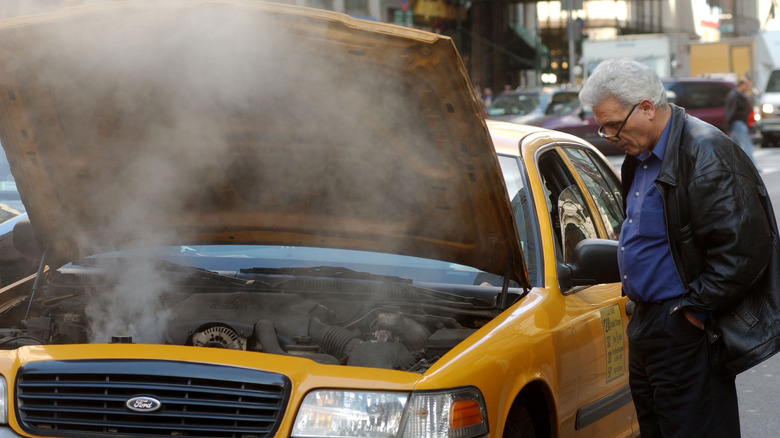
Furthermore, an overheating engine will cause the piston rings to expand unnecessarily, which will eventually cause them to lose shape. When that happens, there won't be as tight a seal, and blow-by will begin ruining the fun. That can cause detonation or pre-ignition, both of which can damage the pistons and piston rings if left unchecked.
How long do piston rings last?
Provided the engine has received proper care and servicing, piston rings can last 100,000 to 150,000 miles. However, piston rings are wear items and will eventually degrade, and their lifespan will depend on the engine type, material quality, and vehicle driving conditions.
Apart from noticeable symptoms like poor engine performance, stalling, excess oil consumption, and billowy exhaust smoke, you cannot visually inspect the piston rings unless you tear the engine apart. In most cases, your mechanic will need a compression or leak-down test to diagnose bad piston rings.
The least you can do is to adhere to periodic or timely oil changes, change the oil filter whenever you're changing the oil, and use high-quality motor oil. Moreover, make it a habit to clean or replace the air filter every 12 months or 12,000 miles to prevent debris from intruding inside the combustion chamber. Your piston rings will love you for it.