

How OBD-II Changed Car Repair For Better Or Worse
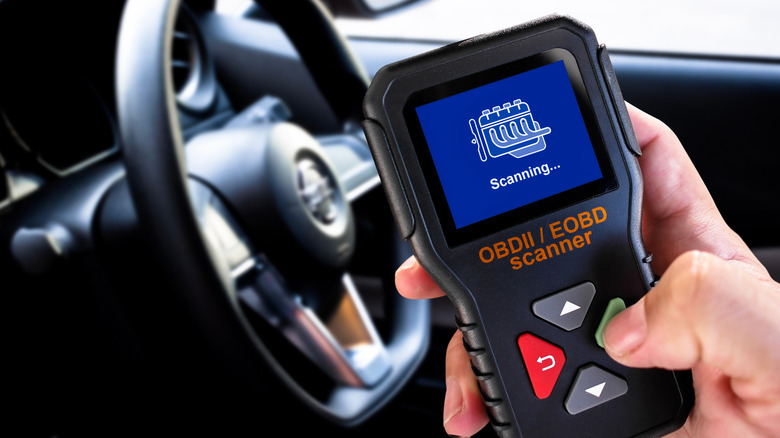
Not so long ago, before software and electronics became so integrated, investigating car trouble and tuning performance was a mostly mechanical affair. Early electronic scanners and systems were brand-specific, and even into the mid-1990s, things were pretty rudimentary for the DIY mechanic: the likely culprit of the check engine light on a pre-1996 NA Mazda MX-5 Miata can still be diagnosed with the aid of a paperclip.
Tracing problems and accessing a car's computer systems today can be as easy as plugging in a handheld scanner, thanks to the universal OBD-II system mandated by the Environmental Protection Agency (EPA) for the 1996 model year.
OBD-II, as its name implies, is the second iteration of OBD, which is short for On-Board Diagnostics. The funny thing is, OBD-I was originally shaped by the California Air Resources Board (CARB) in 1988 purely to help curb vehicle emissions.
OBD-II was developed to do that as well, but it became a gateway to another dimension, changing car repair dynamics for better or worse — for car owners, mechanics, the aftermarket, insurance companies, and manufacturers. It's led directly to consumer Right to Repair policy battles across the country, raising questions about what systems should be safely accessed, what data is available — and who controls it.
A brief history of OBD-II
When CARB brought OBD to the table in the late 1980s, Los Angeles was engulfed in smog, due to geography and weather patterns that make the place uniquely prone to trapping exhaust gases. Car emissions were high on the long list of guilty culprits contributing to the problem. OBD-I was, for fans of Dr. Seuss, like the EPA's version of the Lorax, here to help clear the air on behalf of the trees — not to mention everyone's lungs.
OBD-I detected specific emissions component malfunctions, like sensors, switches, and wires, and ultimately triggered a dashboard light — the check engine light (CEL) — if something was wrong. That corresponded to a stored fault code that told mechanics what was up. It was a binary system that revealed if a part was broken. There was no universal connection point, and manufacturers had different systems for accessing unique codes.
OBD-II introduced greater diagnostic sensitivity across a car's Electronic Control Units (ECU), monitoring almost any component that could impact emissions or performance with respect to a specified operating range. Critically, the legislation did not limit this list of components, which enabled manufacturers to continue adding systems that are tied to anything emissions-adjacent. Think: fuel economy, speed, and so on.
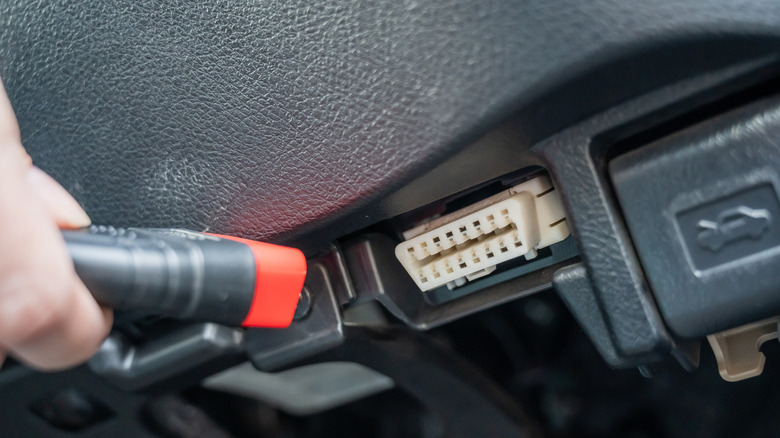
What's more, all of this information could, suddenly, be easily accessed. OBD-II introduced a standardized, 16-pin dashboard port for all manufacturers, with a foundation of common error codes that automakers could add to. It was a whole new way to communicate with your car.
The pros of OBD-II
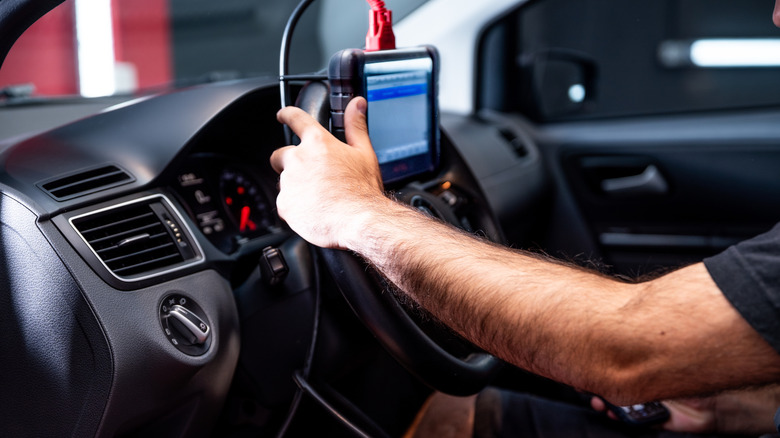
If you're an independent mechanic who works on a range of makes and models in 1996, your life is about to get easier. All vehicles now had the same diagnostic port, which could save you precious time — and OBD-II legislation made it clear that independent shops had to have reasonable, cost-effective access to OBD-II tools, and the information contained within.
Manufacturers benefitted as well. General Motors, for instance, had in the 1980s developed its own proprietary Assembly Line Diagnostic Link (ALDL) system that worked a bit like OBD. OBD-II allowed automakers like GM to add its own codes, while having a universal part and protocol meant it didn't need to spend time and money developing those from the ground up.
The aftermarket also thrived on OBD-II. Convenient access to performance data paved the way for mass-market software tuning to augment the bolt-on hot rod tradition, while the ability to develop and build handled scanners put the power of OBD-II in the palms of DIY enthusiasts. Imagine you read up on the pros and cons of a cold-air intake, and decide to bolt one on. Ten miles down the road, your CEL illuminates. Your trusty OBD-II scanner reveals a mass airflow sensor code, helpfully narrowing issues down. You might need to tweak the software, or replace a damaged sensor.
You don't need to be into mods to benefit from OBD-II. Doing a basic oil change at home? Some cars require the oil light to be reset via OBD-II, which you can do yourself. Seeing a mechanic about a fussy power window, or to inspect a used car? OBD-II can help you and your mechanic quickly troubleshoot underlying issues, or spot red flags.
The cons of OBD-II
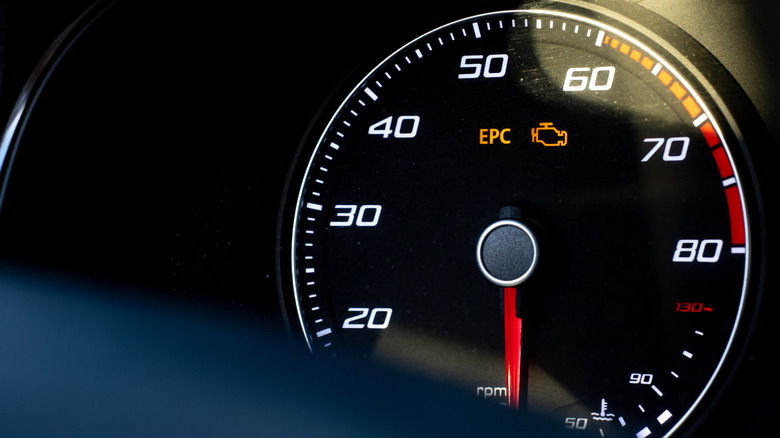
OBD-II monitors Engine Control Units (ECU) to catch anomalies before something fails. An ECU manages the fuel injection, emissions and safety equipment, and a host of other components; a modern car can have in excess of 100 ECUs processing and collecting data for various systems. If a severe enough anomaly is detected, the car will go into limp mode to protect itself, which is great. But what if this "malfunction" was intentional, and your dashboard lights up?
This is the flip side of the aftermarket air intake example from above. If something — like the air/fuel mix — is slightly outside of the manufacturer's specified range after a modification, which could happen with an aftermarket air intake, it might send OBD-II into a tizzy. Maybe software can help, but unfortunately, this new software may void your vehicle's warranty. Decisions, decisions. Even for cars out of warranty, Californians who like to mod their cars know this sort of pain well. CARB offers an extensive aftermarket parts database to help navigate compliant customization. Really, this amounts to a manageable headache.
More of a privacy paradox than a headache is the fact that OBD-II was not designed with Wi-Fi — let alone mobile internet connectivity — in mind. The same link that enables a software tune upload, also provides a pipeline to all sorts of data and information that could lead to security risks.
My car, my data... whose business?
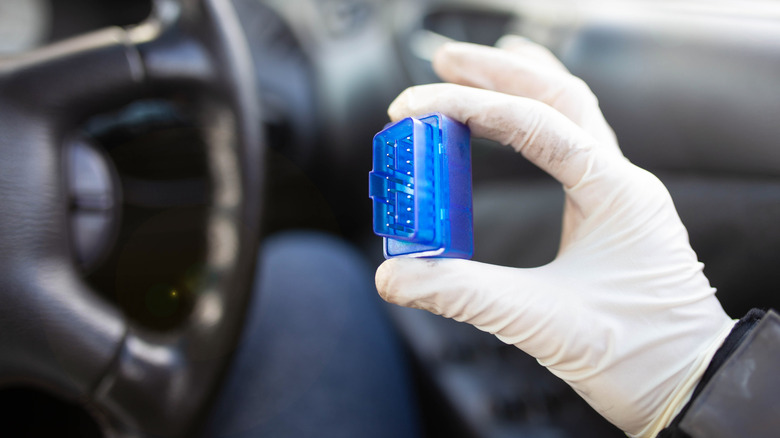
Monitoring mechanically safe, environmentally compliant performance is at the core of OBD-II. But as in-vehicle technology has proliferated, so has the associated data — and OBD-II makes it possible for this data to be collected and used for telematics. Vehicle speed, GPS information, trip duration, fuel economy, braking, seat belts, and RPMs are some of the inputs a telemetry device or app can analyze. Insurance companies, for example, advertise these permission-based things as a means to customize rates.
Manufacturers have access to this data. The Right to Repair Act came about partially as a result of automakers allegedly gatekeeping more of this telemetric data as it relates to maintenance and repair diagnostics, and making it inaccessible via the OBD-II port to independent shops and owners, thereby forcing people to go to dealerships for repairs — or subscribe for access, even though we well know that subscriptions give buyers the ick. Also, what if you live in a remote area, or your "car" is farm equipment you have to work on yourself?
The National Automobile Dealers Association (NADA) counters that the Repair Act is a Trojan Horse for the aftermarket to make "knock-off" parts, and that making this data accessible "raises serious vehicle privacy, security and safety issues for consumers." Which is totally different from the Federal Trade Commission recently busting General Motors for selling consumer geolocation data to reporting agencies without consent, and imposing a 20-year order that forces GM to grant owners control of their data collection.
OBD-III and beyond
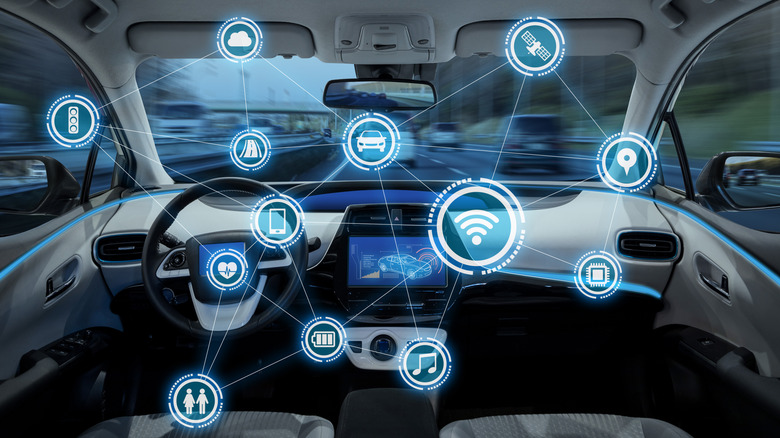
What's next? Maybe OBD-III, if it ever leaves the garage. Just in case your check engine light comes on, and you wanted your mechanic to know about it before you even noticed, this update could — in theory — wirelessly send vehicle data to repair shops as you drive.
CARB outlines OBD-III in its OBD-II Fact Sheet (2019) as a proactive measure. In addition to keeping potentially noxious cars off the road, the benefit would be avoiding the need to take your car in for inspection, which may be altogether foreign to you, if you live in one of the 14 states that don't require an annual vehicle inspection to begin with. Instead, your car would remotely report on its own health, and you'd be able to avoid inspection, and their associated fees, if all systems were go. If not, you'd have to bring the car in for repairs.
This is currently being studied. We're all for having clean, safe cars on the road, but we'll say the quiet part out loud: actively opting into a transmitter for your insurance company to lower your rates is one thing; having your vehicle passively send signals out is something else. It's not clear who, or what entity, would receive this OBD data, or what, specifically, would be included. DMV? Highway patrol? Dealerships? Your parents?
In a way, we have already arrived here. Manufacturers are using real-time monitoring to alert you if there's an issue, and it's also used in fleet management. As our cars and lives have become more connected, OBD is as much about monitoring vehicle emissions as it is about the types of emissions being monitored. We've come a long way from paperclips.