

Tesla's Texas Robotaxis Crash 4 Times More Often Than A Human Driver
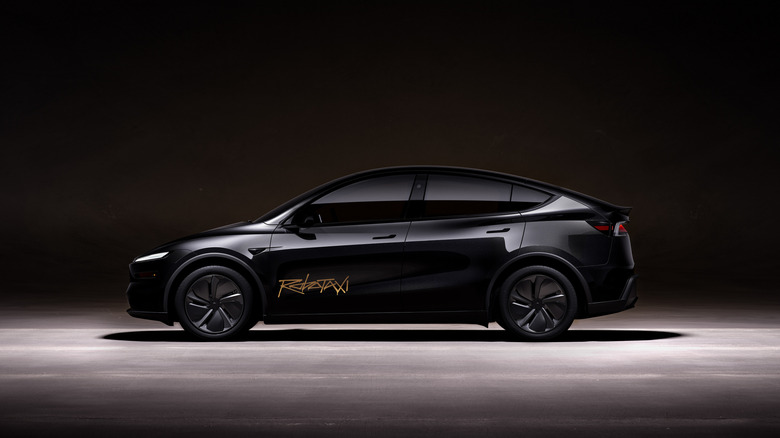
To make self-driving cars worthwhile, they need to be better than human drivers, otherwise what is the point? Tesla's own data suggests its robotaxis, the ranks of which should have swollen to hundreds by now, are actually much worse than a human driver in the state of Texas.
The company's own research states the average driver has a minor incident once every 229,000 miles, regardless of whether they were at fault or not, and suffer a major collision every 699,000 miles. According to NHTSA data, the average driver has an on-the-road incident which requires calling the police about every 500,000 miles. Meanwhile, reports Electrek, Tesla's 43-car "autonomous" fleet in Austin, Texas has logged approximately 800,000 miles since launching eight months ago, and in that time it has reported fourteen separate crash incidents. That averages out to a collision every 57,000 miles, or exactly 4.018 times as often as human driven cars.
By Tesla's own murky reporting to the NHTSA database, the robotaxi fleet has come into contact with five other vehicles, five fixed objects, one cyclist, one animal, and two "other". One of these impacts, allegedly a two mile per hour impact with an SUV, required hospitalization. It's good to remember that most of the miles Tesla has run in Austin have been with safety monitors onboard who could (and have) hit an emergency stop button to avoid incidents altogether, and it's impossible to know how many crashes were avoided this way.
I've driven a whole lot more than 57,000 miles in my lifetime, and while I'm rapidly approaching 40, I haven't crashed a car in 20 years. I certainly haven't bumped an SUV at walking speed in a way that resulted in a hospitalizing injury. I already knew I was a safer driver than whatever version of Grok that xAI could build, but now the data all but proves it.
What more is Tesla hiding?
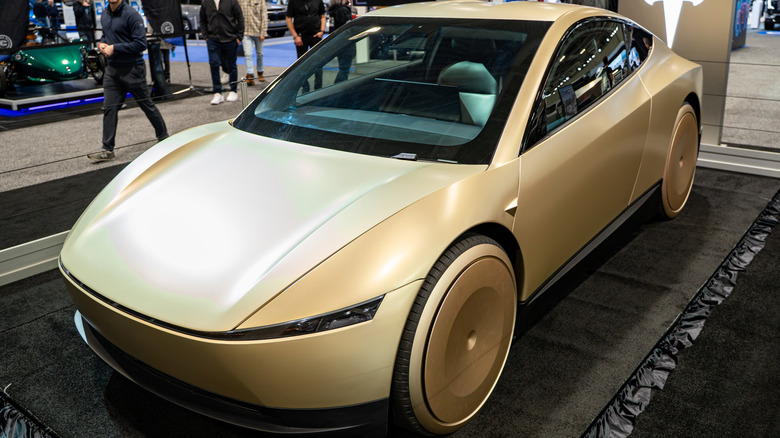
During the period of December and January, Tesla reported five additional crashes to the NHTSA dataset, giving us that full 14 incidents. You would think that Tesla should be getting better as time goes on, now that its self-driving limited-operation-zone cars belong to the streets, but with nearly 36% of its incidents reported in the last two months, it is, on average, getting worse at driving without hitting stuff or getting hit.
Further, that crash with a hospitalization happened way back in July of 2025. Only in July it was reported as a "property damage only" incident, and later updated to "minor w/ hospitalization" category in December. As Electrek's reporting states, "Tesla's delayed admission of hospitalization, five months after the incident, raises more questions about its crash reporting, which is already heavily redacted." I'm certainly asking questions. One of them is why are people in Austin still riding in Tesla Robotaxis?
Considering the company's CEO made claims that Tesla's vision-only self-driving system was safer than human drivers by a significant factor, and that he also said the Austin fleet would be over ten times larger than it is by this point and operating in half the country (rather that tiny parts of two cities), it's impossible to believe anything the company figurehead says. With 42 vehicles available, and alleged availability under 20% of the fleet's operational hours, it doesn't seem like this program is going very well at all.