

Tire Dry Rot: What It Is, Why It Happens, And How To Stop It
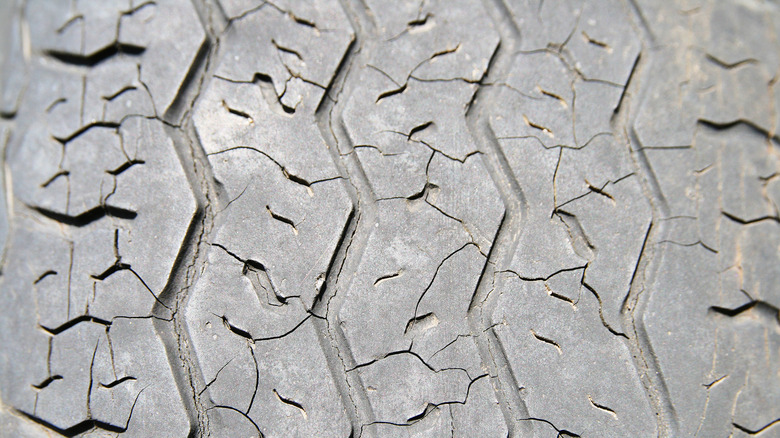
Unlike the organic fungus that eats away at wood and organic materials, tire dry rot is a chemical breakdown that manifests as cracks, discoloration, and fissure marks on a tire's sidewalls and treads. Fresh tires are flexible and have a deep black hue. But with time, extreme hot or cold weather, UV exposure, inactivity, and inadequate storage methods, dry rot or sidewall cracking is inevitable.
More specifically, dry rot occurs in older tires, particularly those that are between six and 10 years past the manufacturing date, a period that most tiremakers deem is too old for safe driving. Although tire manufacturers assume that consumers would most likely go through a set of new tires way before the six-to-10-year expiration date, knowing the manufacturing date or DOT date code of the tires before purchasing is cheap insurance against dry rot. And it's because, yes, tires can expire or degrade before they wear out.
How to spot dry rot on a tire
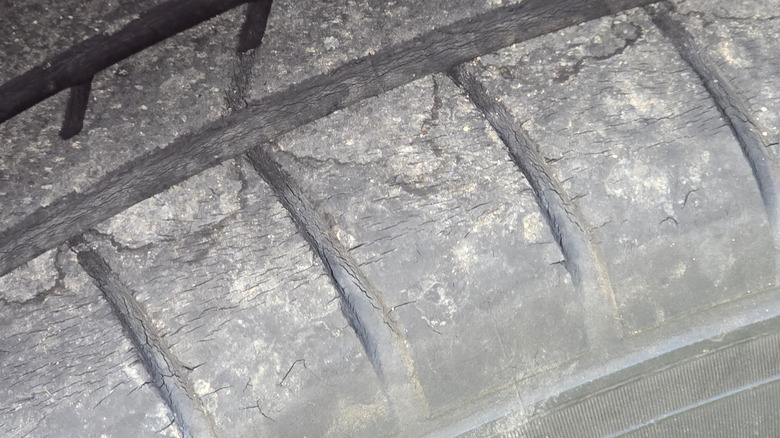
Even without checking the DOT date code or the tire manufacturing date, dry rot on tires is easy to spot if you look closely enough. Watch out for cracks or fissures on the sidewalls and treads, a brittle texture of the rubber, grayish discoloration, persistent air leaks, or the inability to hold adequate air pressure.
In some cases, dry rot starts as tiny, almost imperceptible cracks on the rubber surface. At that point, the tire may still hold air, but those cracks can get more significant and spread to more parts of the tire if neglected. When that happens, the cracks can spread and grow significantly enough on the outside and inside for the steel belts to begin separating and for the tire to lose air. The worst-case scenario is a blowout where the tire disintegrates while driving.
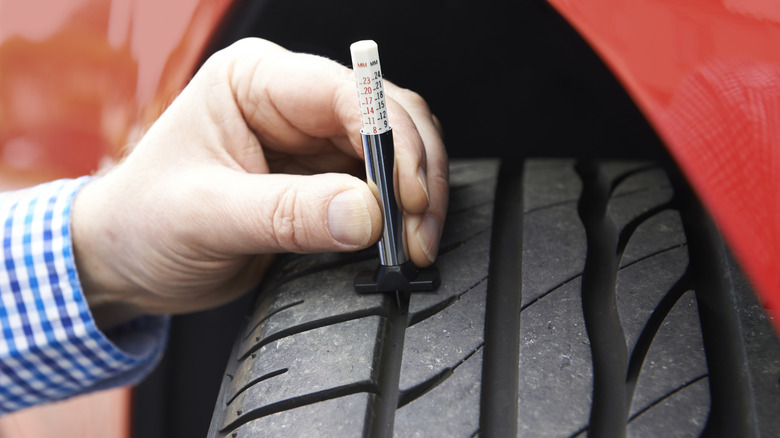
On that note, tires with sidewall cracks are unsafe to use. Edmunds reports that 250 incidents of loss-of-control and rollover crashes in 2012 were caused by vehicles with tires older than six years, which all had visible separations of the belts and treads. Since tires are the only points of contact of your car on the road, it's unwise to hedge your bets on dry rotted tires even if the manufacturing date is below the six-year threshold, or regardless of the remaining tread depth.
Is it possible to prevent tire dry rot?
Every tire will succumb to the effects of aging, UV, and weather exposure, and no amount of care can stop tires from eventually developing sidewall cracks. Then again, you can somehow delay the inevitable, and it won't take much. First off, you'd be doing your car a huge favor by parking in the shade whenever possible, since intense UV and sun exposure can hasten rubber degradation. If you have tire covers, use them to your advantage to protect the rubber from weathering and deterioration. Meanwhile, maintaining the correct tire pressure and driving the car often will keep the tires flexible and ready for any road trip.
In truth, you won't ever have to think about dry rotting the tires of your daily driver, since you'll most likely replace them before they start going bad. More concerning is storing tires long-term, since doing it wrong will most certainly lead to dry rot and permanent damage. The trick is to clean the tires before storage, wrap them individually in airtight bags, and stack them carefully in a cool and dry area of the house or garage.
And if you happen to discover your tire's sidewall and treads are slowly developing cracks or some parts of the tire are beginning to fade or discolor, those are among the telltale signs you need new tires, and it includes balding treads and noticeable bulges on the tire, respectively. Finally, make it a habit to rotate the tires every 5,000 or so miles and to visually inspect for bulges, cracks, or uneven wear.