

Why You Should Always Check Your Engine Oil Before Cold Weather

Oil is the lifeblood of your engine, regardless of whether you're behind the wheel of a Mitsubishi Mirage, Ferrari Roma, or Cummins-powered Ram truck. While every aspect of vehicle maintenance is important, if you're going to get just one thing right, make it your choice of engine oil.
Each automaker and model will have a preferred brand and viscosity of oil, so when you're carrying out oil changes, it's important to ensure you have the right type for your engine. It's also imperative you take a look at your engine oil before cold weather hits, even if you know that it's the correct grade.
See, much like water, oil reacts differently in cold and freezing temperatures. When that cold front hits, oil will thicken up, slow down, and potentially wreak havoc within your engine, leading to costly bills and a whole heap of easily avoidable problems. So, be sure to add checking your oil on a regular basis to that ever-growing list of maintenance tasks you should be carrying out on your car in colder weather – making maintenance mistakes like this is only ever going to line your mechanic's pockets.
Oil thickens during winter

The main reason why you should be checking your oil before winter hits is that oil thickens when cold weather sets in. Believe it or not, engine oil can look like sludge in sub-zero temperatures, and so it won't be able to flow around your engine as effectively as it should when in this thickened state.
The best first step is to consult your owner's manual, as it may specify a different viscosity of oil for just such weather. A thinner oil would suit freezing temperatures better because it only thickens slightly, rather than turn into a gloop that won't even drip off the dipstick.
When choosing an oil for cold weather driving, pay attention to the fluid's pour point — this is the lowest temperature that it will actually still flow easily before turning into a thick sludge. Fluids with a lower pour point are wise choices for winter driving, so don't choose a winter oil based on viscosity alone.
Cold weather will sap the energy out of your engine oil
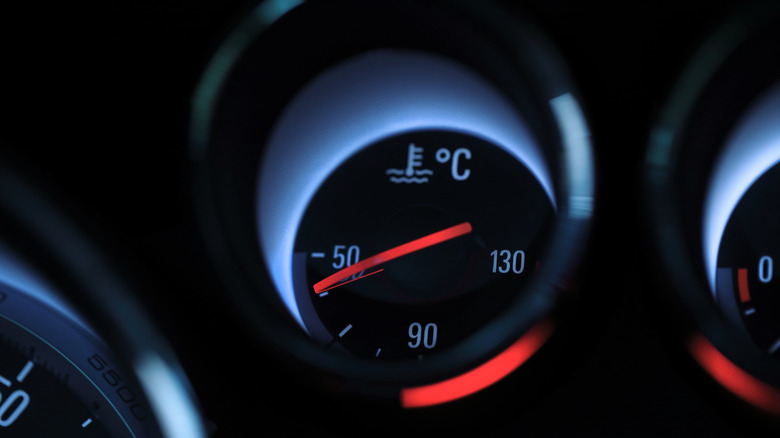
Stretching oil services is never a wise idea. You might save a few dollars, but you're putting your engine at risk — an oil change is always cheaper than invasive engine repairs. Cutting corners when cold weather is fast-approaching, though, is an especially poor decision.
When oil gets cold and thickens, more work and energy is required for it to warm up and begin lubricating properly. This leads to troublesome cold starts, and the extra work involved in heating your oil up will only fast-track its depletion. If the oil within your engine is already old and tired, then you're really going to be pushing it and thus inviting far more serious engine concerns into your life. Who needs that?
Fortunately, changing your own oil is cheap and easy, so if saving a dollar or two is the order of the day, skip the garage and learn to do it yourself.
Delayed pressure buildup
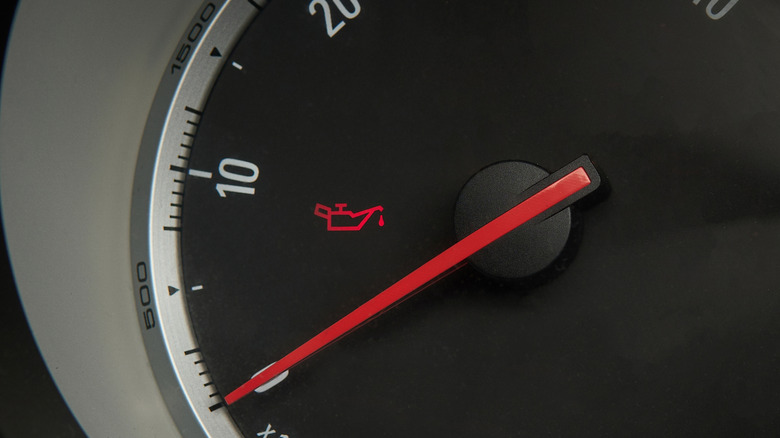
Having a low oil level is one thing, but dipping below the minimum is unlikely to imminently leave you stranded at the side of the road. On the other hand, low oil pressure is a bit more serious, and ignoring your oil situation in winter can quickly have that pressure light flickering on your dash.
Your engine is especially likely to suffer from low oil pressure in cold weather during cold starts. At this point, the oil has settled and thickened; when your engine first fires into life, the oil needs to play catch-up. As we've covered, it will take more energy and time to spread that thickened oil around sufficiently, and while it's struggling, your oil pressure won't be where it needs to be.
Checking your oil's pour point, viscosity, and level can help to sidestep this issue. Changing your old oil for something a little more cold weather appropriate and in the correct amount will ensure cold starts are easier on your engine, allowing pressure to build as efficiently as possible.
Synthetic oil wins in cold weather
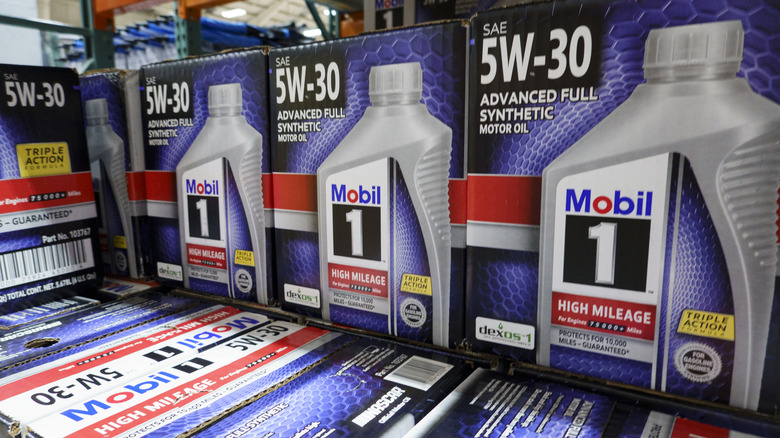
So, you've decided to play it safe and change your engine oil before a long, cold winter sets in. Great, but now the challenge of picking the best engine oil comes into play. You'll find that everyone has a different opinion on this, so it's best to stick with the facts.
Pick something recommended by the automaker, with a suitably low pour point, and be sure to use the correct amount. At this point, it's also wise to consider switching to synthetic oil. Whereas traditional oils will gel-up and turn into more of a sludge than a fluid in colder temperatures, synthetic oil will not. It's far more stable than old-school engine oil in both hot and cold temperatures. Plus, it flows faster upon startup — reducing the risk of low pressure on chilly mornings – and it's not even that much more expensive.
The bottom line is that if you want ultimate protection in cold weather, be sure to grab a bottle of something fully synthetic, rather than reaching for a traditional solution.