

Pros And Cons Of A DIY Oil Change (Can It Really Save You Money?)
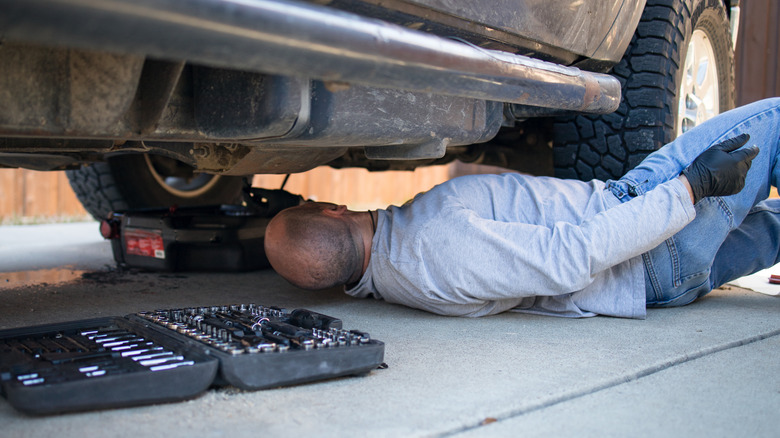
You watch a slick YouTube video of ChrisFix's DIY oil change, and suddenly changing your own oil feels like a rite of passage. Somewhere in the back of every car owner's mind lurks this thought: "Well, I could do that myself." It's part pride, part budget logic — why pay someone else when you can crawl under the car and get your hands dirty?
Then boom, reality bites. There's the messy cleanup (oil on your shirt, grime under your nails, spill all over the driveway), the weekly planning to do the job right, and the fear that you'll forget to torque something. Meanwhile, shops are constantly jacking up their "premium oil" offers and upsells — which just makes DIY look more tempting. Plus, if you do it yourself, you can save between $25 and $75 per oil change, according to AAA.
Still, modern vehicles aren't simple machines — tighter underbodies, electronics, sensors, and tricky plastic oil pan placements have added layers of complexity. Go in thinking it's a simple chore, and you might end up with more mess than mastery. But hey, for those who like the ritual, it's hard to resist the call of the wrench and the clean-oil smell.
What you really gain (and risk) with DIY oil changes
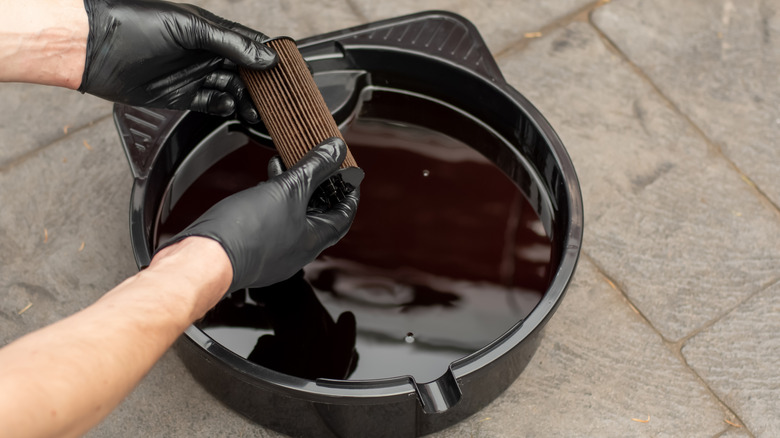
First off: money. You skip labor costs, shop markups, and upsells –DIYers report saving anywhere from $35 to $75 per change versus going to a shop. Then there's choice. You pick the exact oil grade, brand, and filter you trust. Learning is another big plus, especially for newbies. Changing your own oil builds confidence and gives you insight into your car. You'll also get control and comfort, and your rules at your own time. And while the car is up, you can eyeball other parts — check belts, even glance at brake lines.
But time, also, is the obvious con. Even in ideal conditions, plan on 30 to 60 minutes (maybe more if it's your first time). Disposal of used motor oil? That's on you — many communities and parts stores accept it, but it's still an extra chore. You want to do it right the first time but sometimes mistakes happen, like forgetting the gasket, overtightening, or underfilling. One wrong move, and you can have leaks, blown seals, or worse. Plus, doing your own maintenance improperly can void warranty coverage.
If you don't already own tools (jack, stands, wrench sets, oil filter tool), you're definitely looking at up-front purchases. Investing ain't cheap. Finally, consider the risks: slippery surfaces, hot oil, and the possibility of a car slipping off the jack stands make DIY oil changes potentially dangerous.
So do your homework, double-check every step, and don't rush. The margin for error is thin.
Should you really change your own oil?
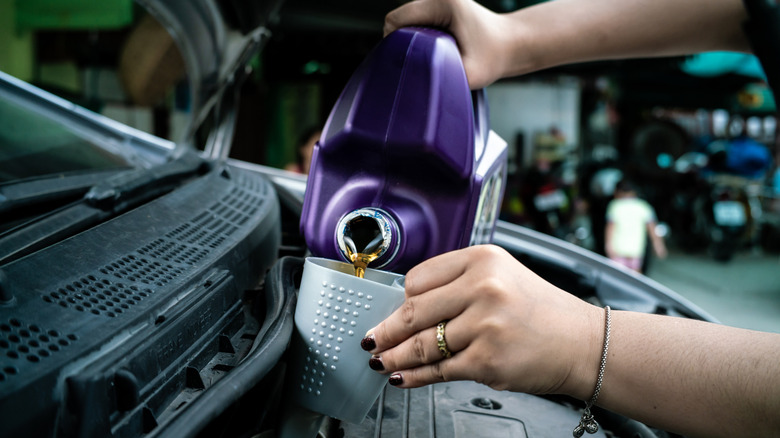
So... is DIY oil changing a money-saving triumph or just a vanity project with oily consequences?
For true gearheads, the ritual is sacred. No one touches your engine but you. Changing your own oil gives you ownership over the car's care — you know it was done right, on your terms, with parts you trust. Plus, the savings do add up if you change oil regularly (especially if you drive a lot). But that only holds if you're disciplined and willing to accept the occasional whiff of frustration.
For most people, though, DIY is more trouble than it's worth, especially for the non-gearheads. Between time, risk, mess, and disposal, it becomes a task you dread rather than a satisfying ritual. No matter how much an oil change costs, some people will still get some services in shops. Shops now are more competitive, with quick turnarounds, warranties, and transparent pricing. You might pay a little extra, but you also buy peace of mind.
Modern cars are also inching toward systems that make DIY harder — tighter engine bays, underbody covers — so what was once easy is now quite tricky. And you probably don't want to void that car warranty, so ease up on the twiddling.
For daily drivers, family rides, commuter cars? Let the pros handle the dirty work. Because sometimes paying someone else to sweat over the oil pan is the more civilized choice — and fewer headaches usually means more driving time.