

Government Realizes That Throwing Money At Air Traffic Control Is A Good Idea, Funds More Hiring And Pay Raises
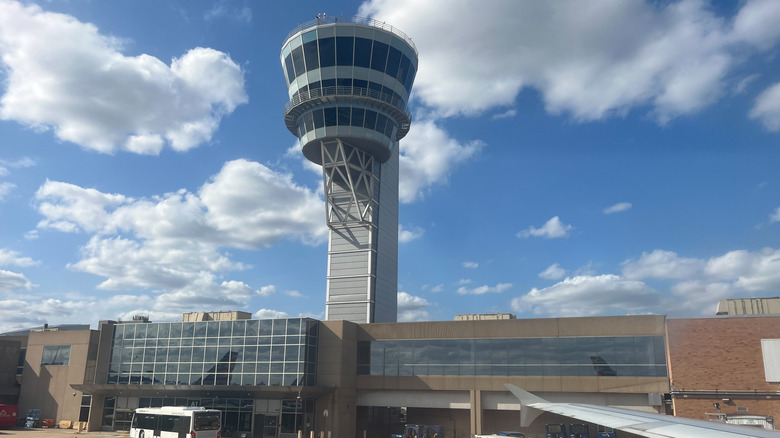
As Congress slowly passes a federal budget in little pieces, air traffic control is getting some desperately needed attention. The legislature has passed funding for 2,500 more ATCs, which is a welcome reprieve for the overburdened workforce. And to retain current ATCs, this bill would also put up $140 million to give them a 3.8% raise. For all the talk lately about fixing the woeful state of air travel in the U.S., the actual salaries of the people preventing crashes didn't come up very much. So getting a pay bump on the table is a huge win for those of us in the anti-crash bloc.
As ever with these things, there are some caveats. 2,500 new ATCs are great, but that's still short of the 3,500 that the FAA says they need to meet staffing goals, per Reuters. So while the load may lessen a bit for the current crews, there's still going to be a lot of mandatory overtime. Also, that 3.8% raise is strangely conditional: the FAA administrator gets to decide whether or not to pay it out, on the basis of whether or not "operational efficiencies are achieved," per the Federal News Network. The lower pay will continue until morale improves, I guess.
Throwing money in the air

There's more good news for air travel: the bill also provides an additional $824 million for modernizing aerial infrastructure. Except that's also bad news, since Transportation Secretary Sean Duffy had wanted another $18 billion more than that. Every little bit helps, hopefully, which maybe will get Brand New Air Traffic Control System (BNATCS) online a little sooner. In addition, the Essential Air Service, which subsidizes airlines to run routes to rural America, will retain its full funding. The Trump administration had proposed gutting the program by 50%. Finally, $2 million is earmarked for studying the fatal crash of an airliner and a Black Hawk helicopter in January 2025 to prevent the next tragedy.
This is all part of the current push to fund the government through a series of smaller "minibus" budget bills, rather than an all-encompassing omnibus. This one covers not just Transportation but also Defense, Homeland Security, Labor, Health and Human Services, Housing and Urban Development, and even Education, which is saved from elimination. Taken as a whole, the minibus does look more like a budget cut, slashing the affected workforce by 29% and cutting nearly $1 billion in grants for high-speed rail. Funding for EV chargers is also being redirected. So, not all good news then, but that might have been the cost of helping out air traffic control.