

What Cetane Booster Really Does For Diesel (And The Right Amount To Add)
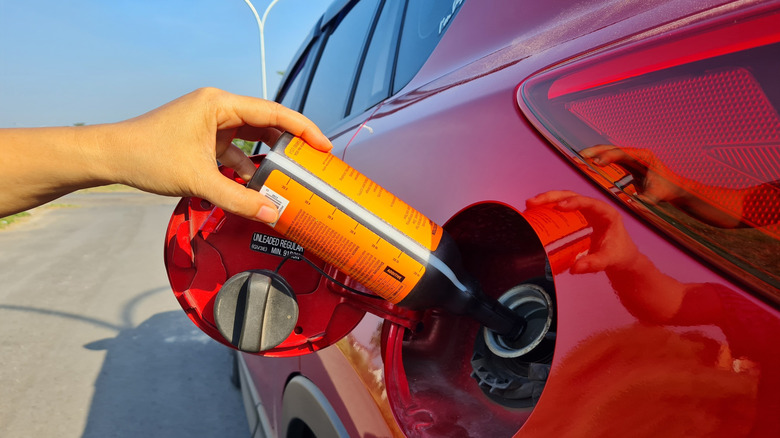
Cetane boosters sure sound cool. Who doesn't like the word "boost" after all? But in reality, they don't boost the power of your fuel. On the contrary, they reduce the delay between fuel injection and burning. In diesel engines, that delay is a big deal – diesel engines rely on regular old compression and heat to ignite the fuel, not spark plugs. If ignition takes too long, the entire combustion process is affected; the fuel doesn't have an even burn, the engine makes more noise, and efficiency takes a hit.
The ignition needs to be as fast and as uniform as possible, and this is where cetane boosters excel. Using them gives you smoother combustion, resulting in a more gradual pressure buildup inside the cylinder. These effects are real, but they are limited to situations where the base fuel's cetane level is below what the engine is designed to use. Once an engine reaches normal operating temperature and is already running on fuel that meets its required cetane number, raising cetane further does very little.
When cetane boosters help (and when they don't)
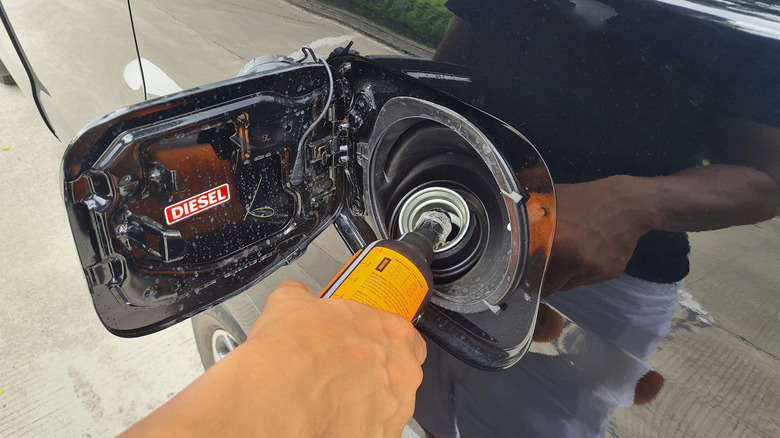
Cetane boosters provide the most value when fuel quality is marginal. Cetane levels in the range of low- to mid-40s are typical in the United States. This is not enough for most engines to perform at their best, though. At the very least, you need those numbers to be in the mid- to high-40s, if not near 50. Simply ignoring the problem and consistently running the engine on inadequate fuel causes problems of its own, such as rough and noisy operation, hard starting, and incomplete combustion. A properly formulated cetane booster can be the solution to all these ailments.
But that doesn't mean you go crazy with it. More is not always better, and that is certainly the case here. Engines are designed for a specific cetane range, and adding more than the recommended level won't give meaningful gains in combustion. In fact, it might end up doing more harm than good. That is why biodiesel blends often don't need additional boosts in cetane, as they already have higher levels — for example, some Cummins engines that can run on biodiesel.
The right amount to add and what to avoid
How effective a cetane booster can be is determined by its formulation and dosage. Large gains without proportionate treat rates are a pipe dream. This is because the cetane number is just the result of all the components that make up the fuel. To see any meaningful improvement, you need to adequately increase the active ingredient.
The ingredients can make or break the final product as well. There are certain additives engine makers explicitly state to steer clear of, such as those containing alcohol or metal-based compounds. These components are responsible for emulsifying water and carrying it through the fuel system under high pressure. This can result in wearing of the injector and seals, and uneven spray patterns. The industry-standard cetane improver is 2-ethylhexyl nitrate, which increases cetane levels without taxing the engine.
The bottom line is that cetane boosters can help improve engine performance and lifespan when used carefully. Used blindly, they can create problems.