

Here's What The Color Of Your Engine Oil Can Tell You
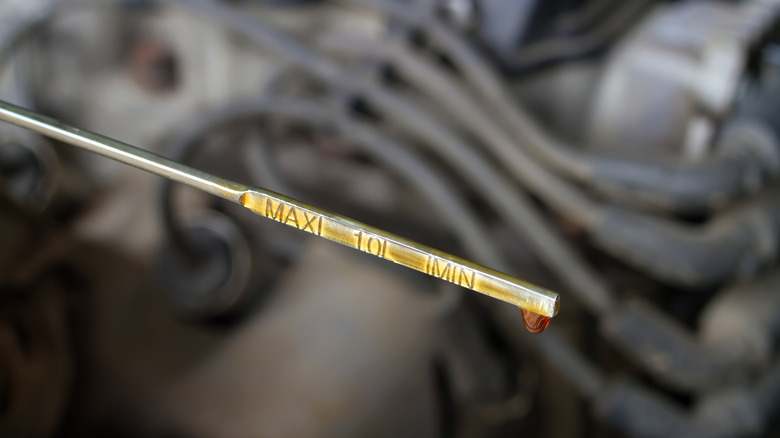
This may sound like something out of the original "CSI: Crime Scene Investigation" TV series, but you can tell a lot about engine health by pulling out the dipstick, reading the oil level, and checking the color of the oil. For starters, you need to be on top of things if a previously full oil sump has suddenly gone low, which likely means your engine is leaking or guzzling oil. Compounding the issue is the possibility of an illuminated or blinking oil warning light, and that means you need to stop driving immediately and call for help.
When it comes to color, there's a myth that says dark oil is dirty and always needs to be replaced immediately. If we're talking about diesel engines, dark or black oil is commonplace, as oils for diesels have more detergents or cleaning additives. In short, dark or dirty-looking oil in a diesel is, in most cases, nothing to be worried about and simply means the oil is doing its job of cleaning and protecting the internals against harmful friction and excessive heat.
The situation is similar in gas engines. Fresh oil starts as a somewhat transparent and golden liquid, but it will eventually darken or discolor as it cycles inside the motor. Modern motor oils contain heaps of additives that contribute to color changing by absorbing heat, oxidation, and combustion byproducts with every revolution per minute (rpm), meaning that dark brown or mildly black oil in a gas engine can be a sign that the oil is performing as intended.
How dark is too dark?
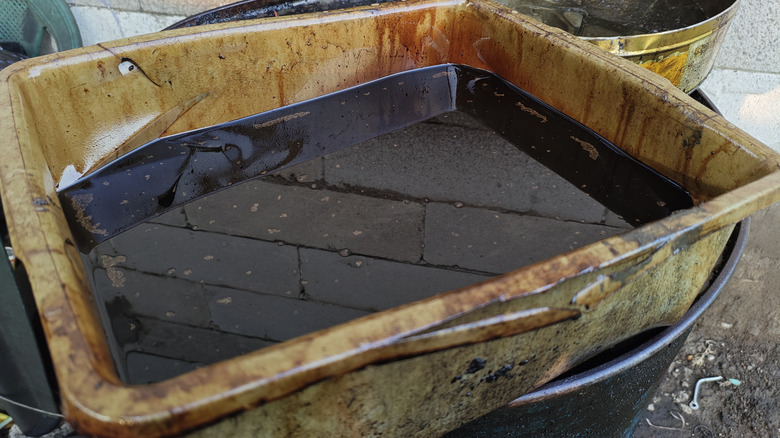
As mentioned above, darker engine oil is relatively normal, but how dark is too dark, you ask? Here's the kicker: Oil tends to get darker with time, and the rate of darkening will also depend on factors like vehicle age, the type of oil in the motor, and whether you mostly drive in the city or on open highways.
What this means is that if the oil is dark or turning black and it's been 6 months or more since you last changed it, then it's possibly bordering on too dark and an oil change is in order. However, be forewarned if the dark oil contains lumps of dirt or visible sludge, which is like cholesterol buildup in your arteries. Sludge formation happens if you don't change the oil frequently, the engine has bouts of overheating, has persistent misfires, or has other internal problems.
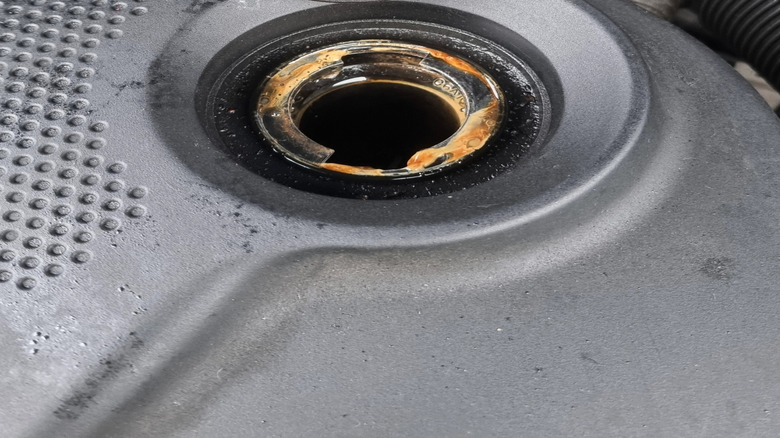
Again, don't be freaked out if your diesel mill has dark or black-colored oil, but be wary of sludge formation. Whether you have a gas or diesel, an easy way to check for sludge formation is to look under the oil cap. Locate the oil filler cap, turn it counterclockwise, and lift it from the valve cover. Turn it over and check the backside. If you find lumps of oily sludge, you need an oil change as soon as possible. However, if you only find liquid stuff, you're likely in the clear.
Whitish or frothy oil
We hate to be the bearers of terrible news, but whitish or frothy oil under the oil cap, on the dipstick, or inside the engine means the good stuff has been contaminated by a liquid that shouldn't be there: coolant. When coolant leaks into the sump and mixes with the oil, you're most likely dealing with a leaking head gasket, which will cost thousands to fix.
And even though your engine is still running despite having frothy oil, it won't continue running for long. In fact, persistently running it will cause more problems, due to excess friction, heat, and a general lack of quality lubrication. We're talking about bearings, piston rings, cylinder wear, or a clogged catalytic converter – the whole shebang. Moreover, all of those will cost a lot of money to fix, so consult your mechanic immediately if the oil in your engine has turned from dark brown to frothy white.
Green, blue, or reddish oil
Let's decipher this one at a time and in reverse order. Oil that has a deep brown or caramel-like color is quite normal and means the oil and additive package are doing well at protecting the engine. However, bright red or pinkish oil can point to automatic transmission fluid (ATF) contamination, which could occur if you or someone else accidentally added ATF to the engine.
On the other hand, bluish oil also points to contamination, since some coolants come with blue dyes that give them a bright blue hue. It could also mean a leaking head gasket, but other problems like a bad engine oil cooler or a cracked cylinder head could also be blamed for coolant entering places where it shouldn't be.
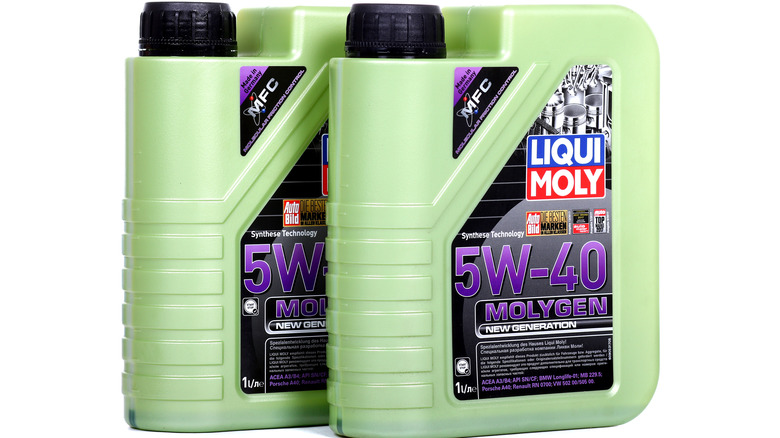
And then, we get to greenish oil. Believe it or not, some oils are purposely colored green, so don't be alarmed if your engine has green oil from the get-go. However, you're possibly looking at expensive repairs if your oil has turned green instead of amber or dark brown, as it could also point to cooling system problems, like head gasket failure, or other internal issues.
Transparent, gold-colored oil is the freshest
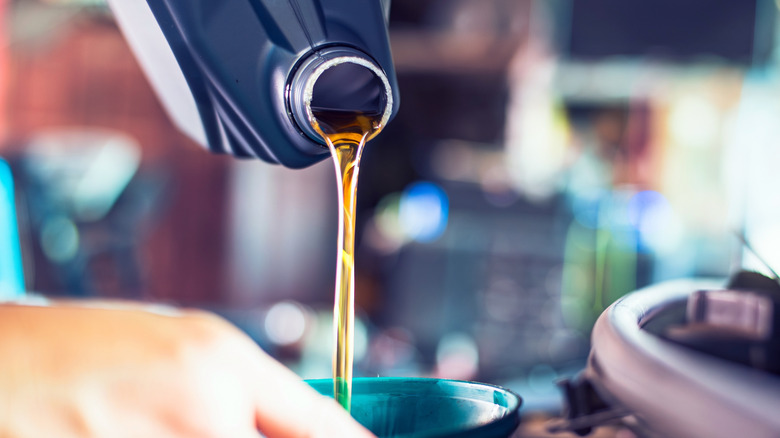
In most cases, fresh motor oil is transparent with a golden hue. Finding oil with this color on the dipstick or under the oil cap generally means that the engine has been given frequent services and quality motor oil and that the engine is tip-top shape. However, it won't take long for the fresh oil to discolor and turn darker if you drive often, but that's quite normal.
In an ideal scenario, the oil should turn dark enough right in time for your next scheduled oil change. The point is to be wary of sudden color changes in the engine oil, and you should make it a habit to open the hood and check the oil dipstick frequently to monitor the condition and color of the oil.
Adhering to frequent servicing, inspections, and oil changes will prevent extreme oil darkening and keep your vehicle roadworthy. If you're a DIY car owner, do your best not to put the wrong oil in your car's engine and to always use the prescribed oil viscosity according to the vehicle manufacturer. If you're not sure what oil to use, consulting the owner's manual or a repair guide will shed light on the best fluid for your engine.