

4 Reasons Engine Cylinders Misfire (And What To Do About It)

For an engine to create propulsion, it first needs a few core ingredients. The process begins with fuel being pumped through the car's fuel lines and into the combustion chamber. This is where fuel meets with air, gets mixed together, and becomes ignited via spark plugs. This delicate symphony is repeated in cycles, and it's what allows a piston engine to propel a vehicle.
However, if this balance is thrown off, it usually results in engine cylinder misfires. Numerous reasons can cause cylinder misfires, but most boil down to mechanical problems or issues with the ignition and fuel systems. If an engine starts misfiring,you might notice rough idling, a check engine light, or even higher emissions.
A lack of maintenance and poor driving habits are common mistakes that are destroying your engine. Even if you keep up with everything, there's still no guarantee you won't experience misfires. That is why knowing how to properly spot, diagnose, and resolve engine misfiring is essential. Here are the top four reasons engine cylinders misfire, and what to do about it.
Ignition system problems
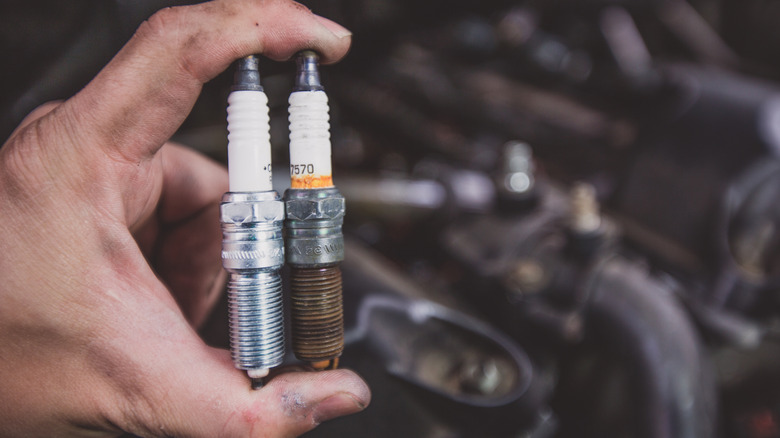
Since the ignition system is tasked with combusting the air and fuel mixture, any problems with creating the spark are likely to cause misfiring. Therefore, if one of your spark plugs is loose, burnt, or fouled, the cylinder won't ignite properly and a misfire will occur. There is no such thing as a spark plug that can last forever — that's one of a few spark plug myths you need to stop believing.
Damaged spark plug wires or failing ignition coil packs can also be potential triggers. Additionally, a cylinder misfire can also be caused by incorrect plug gaps, oil contamination, or corroded plug connectors. Lastly, problems with the ignition system's voltage can also lead to misfires. To address these concerns, inspect the plugs, coils, and wires for signs of wear and corrosion.
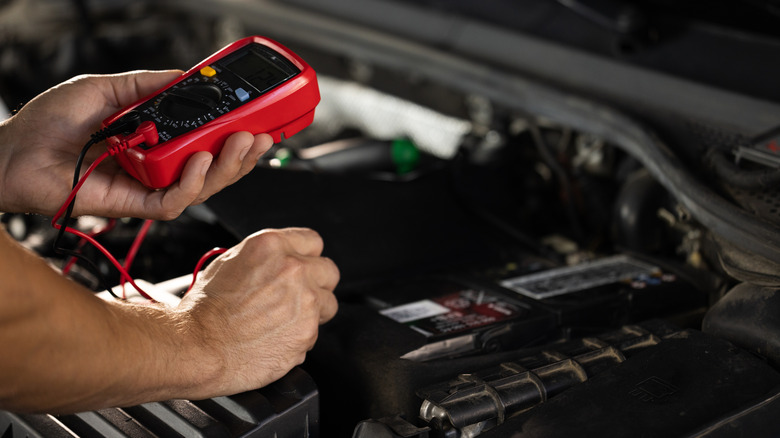
It's also a good idea to test ignition coil resistance with a multimeter, as that is an easy way to spot certain coil issues in seconds. Verify all of the connections, gaps, and wires are secure, and replace coils, wires, or worn-out spark plugs as necessary. Regardless of what the exact causes are, you should always make sure to proactively take care of these components.
Fuel system problems
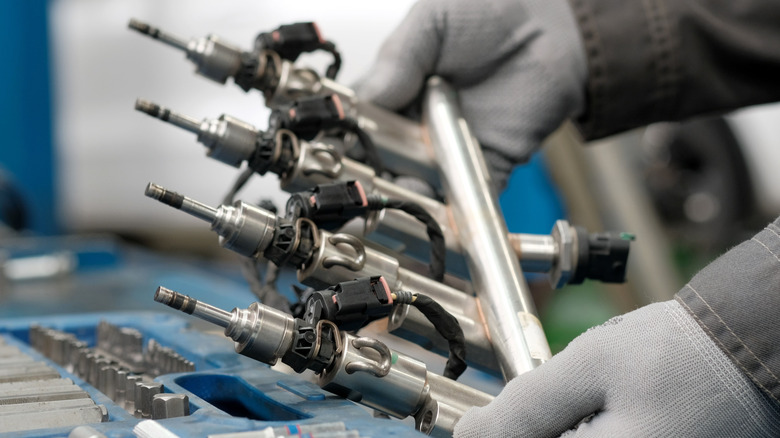
Fuel is the primary source of a car's energy. An engine takes that fuel and converts it into motion. Problems can occur if that fuel isn't able to arrive in time for combustion, or if too much or too little fuel arrives. Therefore, a faulty fuel injector is a well-known culprit of misfires. If the fuel pump isn't working well enough, or if the fuel filter restricts the flow, those components can also cause misfiring.
Moreover, if your fuel pressure regulator isn't able to properly regulate the mixture, it may lead to the same problem. Also, low-quality or contaminated fuel may not ignite as it should, which can result in incorrect air-fuel ratios within the chamber and — you guessed it – misfires. If your injector O-rings and seals start to leak or become clogged with dirt, debris, and residue, it can lead to all sorts of ignition problems.
If you want to take the easy route, using dedicated fuel injector cleaners can help. However, if the issue persists, you might want to consider replacing the injectors altogether. Verify that the fuel pump is pumping correctly, and replace the filter or regulator if they are causing issues. Ultimately, using quality fuel, keeping injectors clean, and replacing filters keeps your fuel system healthy.
Air and compression problems

A compression stroke takes place when the piston crushes the fuel and air mixture. This is where the valves need to seal. However, if air manages to escape from the cylinder while the cylinder is compressing the mixture, it is likely to lead to engine misfiring. Moreover, if the piston rings are worn out or the head gasket is blown, it can also compromise ignition and cause misfires.
The timing chain is another maintenance item you should probably check on, as a failing one can also create problems since it controls the valves. Essentially, if the compression is off, the mixture does not ignite correctly. To mitigate these issues, it's important to perform a compression or leak-down test. Those tests can reveal how well the cylinder holds pressure under load.
Measuring the health of the cylinder will help you determine whether something is compromising the mixture. It's also important to check the timing system, valves, piston rings, and head gaskets for signs of wear, leaks, excessive slack, or misalignment. If the problem is related to mechanical wear — for example, leaks caused by warped gaskets – it's a more serious problem that likely requires you to take your car in to a professional shop.
Sensor and ECU problems
Even if all of the ignition, fueling, and mechanical systems are fine, there are still a few potential causes worth checking on, especially when it comes to sensors and the electronic control unit (ECU). For example, if the camshaft or the crankshaft position sensors are bad, they can relay incorrect timing information to the ECU. This results in misfires and an erratic engine.
You should also see if your oxygen sensor is the source of these problems. This component measures exhaust oxygen levels and communicates with the ECU. If the sensor can't properly measure these levels, the signals it sends to the ECU will be incorrect.
In these cases, it's not a bad idea to use an OBD-II scanner and look for codes specific to any of these systems. Even so, a scanner like this might not be able to point you in the correct direction by itself. This is why you should also pair it with a multimeter to quickly check specific sensor signals. If none of these methods are working, updating or reprogramming the ECU can also help. Finally, you should also make sure all of the wiring and connectors are in good condition. Any electrical disruptions can compromise the communication link between the sensors and the ECU.