

Can Baking Soda Actually Clean Foggy Headlights?
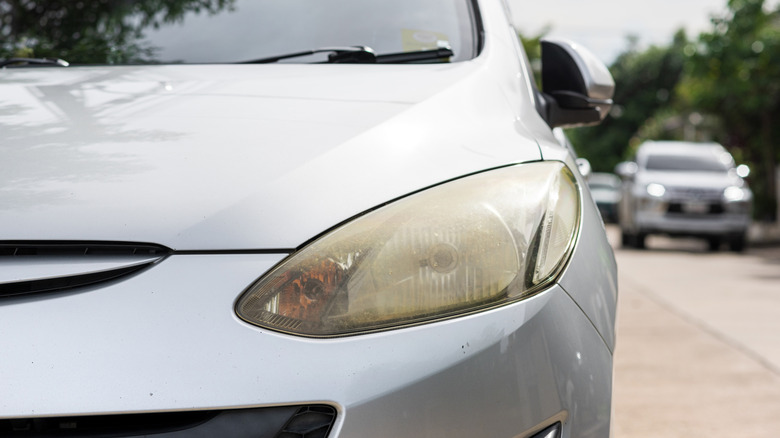
If your colorful road legal headlights look like they've been smoking something for years, then they need some cleaning action. Foggy, yellowed plastic lenses are pretty usual once your car has been exposed to sun, heat, rain, and whatever else the road throws on it. Polycarbonate headlights oxidize over time, turning dull and cloudy as UV light breaks down the clear protective layer. And yes, visibility matters. Cloudy headlights can cut your usable light output, which is not ideal when you value seeing things like other cars, pedestrians, or that one dog sprinting across the street.
So where does baking soda come in? It's essentially a mild abrasive. Paired with water (or vinegar if you want extra bite), it can scrub away some surface-level imperfections, similarly to the tactics you can use for restoring stained windshields. You'll need the basics: baking soda, a microfiber cloth, warm water, and optional toothpaste for extra grit. Include some masking tapes and UV sealants for added protection.
Start by washing the headlights with soap and water. Tape the area around the headlights to avoid damaging the car's paint. Mix baking soda with water until it forms a paste, scrub it onto the lens using circular motions, rinse, repeat if needed, and dry the surface. Use some UV sealants if you have some, as well. This method won't magically restore factory clarity, but it can make old headlights look noticeably less tragic. At least, for a while.
This hack is temporary (here's what actually works)
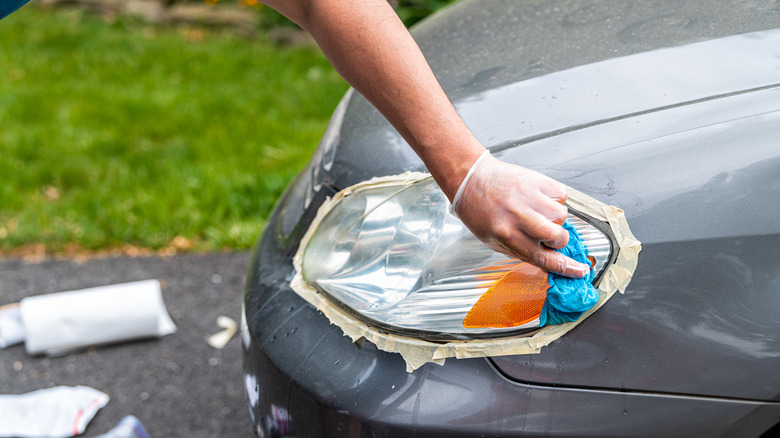
Baking soda on its own is a temporary cosmetic fix, not a long-term restoration. It removes grime and a bit of surface oxidation, but it doesn't cut deep enough to restore clarity for more than a few weeks. Household hacks (including toothpaste and baking soda) rarely last because they don't remove enough damage or apply new UV protection.
If you want longevity — or anything close to it — your options are vast. Commercial headlight restoration kits typically combine stronger abrasives with polishing compounds and UV sealants to keep headlights from yellowing again. These kits remove more oxidation than baking soda alone, and they can last months or years depending on the sealant quality. Then there's wet sanding. It's what pros use, because sanding through progressively finer grits completely removes the oxidized layer before polishing it clear again. Partner it with a clear coat or protectant, and it can last a long time.
On top of providing you with your favorite automotive restoration videos, DIY restoration is cheap and easy to attempt, but it's also risky if you aren't experienced. Professional restoration costs more, but it lasts longer and delivers much better results. Baking soda helps, but it's not fixing the underlying problem. Whether it's applied through your hands or a professional's, you're definitely going to need something stronger later.