

This Is The Safest Way To Remove A Broken Spark Plug
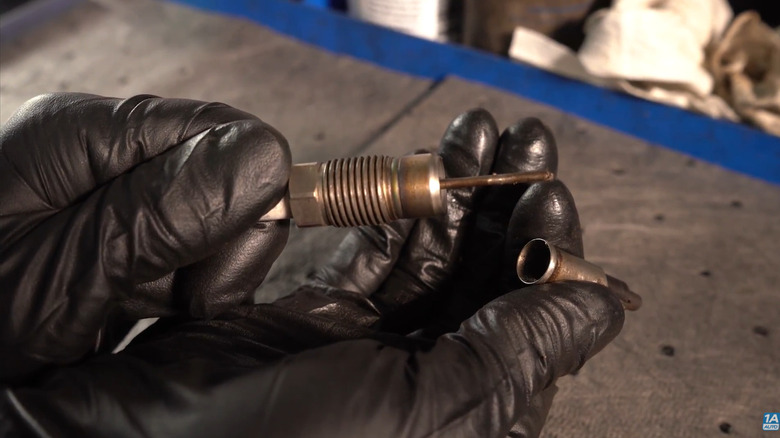
So, it's time for new spark plugs. Your hands are covered in grease, you're twisting the ratchet, and –- snap. Half the spark plug stays lodged inside your cylinder head like a nonpaying tenant who refuses to leave. The temptation to grab a drill and "just get it out" is strong –- but hey, that's how weekend projects turn into full-blown rebuilds. The safe way is slower, quieter, and frankly a little boring. But it works.
First, clean things up. Use compressed air to blow out any debris before touching the engine with a tool. Let the engine cool completely –- metal expands when hot, and a hasty tug can rip threads clean off. After that, apply penetrating oil around the broken plug to reduce friction in the threads — this is where restraint pays off.
Next, grab a spark plug extraction kit. You can use a spiral-cut or square-cut Easy-Out tool. Alternatively, a left-hand drill bit or screw extractor can gently bite into the broken core and back it out. In a counterclockwise direction, turn the tool to remove the plug gently. The key word here is gently — one wrong angle and you'll be shopping for a new head on eBay. Once it's out, clean the threads and apply anti-seize. Torque the new plug properly -– hand-tighten it first, then when it clicks, stop. Whether you need to remove a performance spark plug or a standard one, this method is very much applicable.
Why spark plugs break
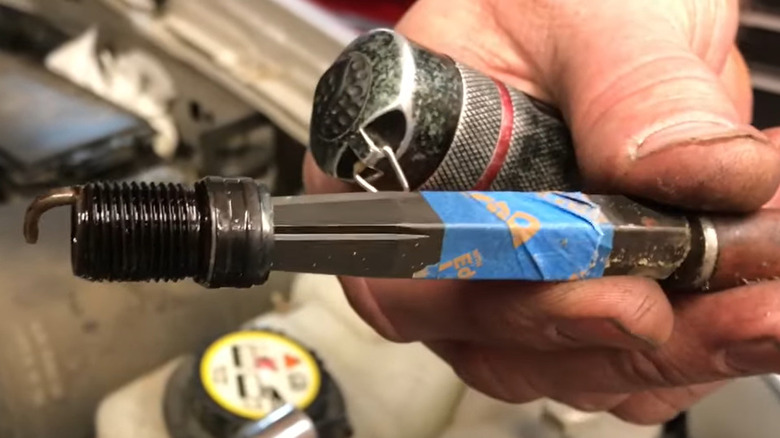
Spark plugs break for a few maddening reasons. Sometimes it's due to overtightening during a rushed install — skip the torque specs, this is what you get. At other times, carbon buildup cements the plug into the aluminum head until it fuses like bad dental work.
Age plays a role too -– old plugs corrode and seize in place, especially if they've been ignored past their replacement interval. Always track or check parts' due dates. Cheap aftermarket parts don't help either. The problems often come from buying spark plugs on Wish or Temu (like, really?). So please, get them from legit stores. When a plug finally snaps, you'll know. Misfires, rough idle, maybe a hard start that makes your stomach drop. Ignore it long enough and broken ceramic fragments can wreak havoc -– scoring pistons, chewing up threads, and even cracking the head itself. You'll wish it were a seized spark plug instead of a broken one.
Removing a broken spark plug isn't pretty, but it's deeply satisfying. That's when you realize you don't need a service bay or a technician — just care, time, and a little profanity.