

Why Car Batteries Fail Faster In Hot Climates
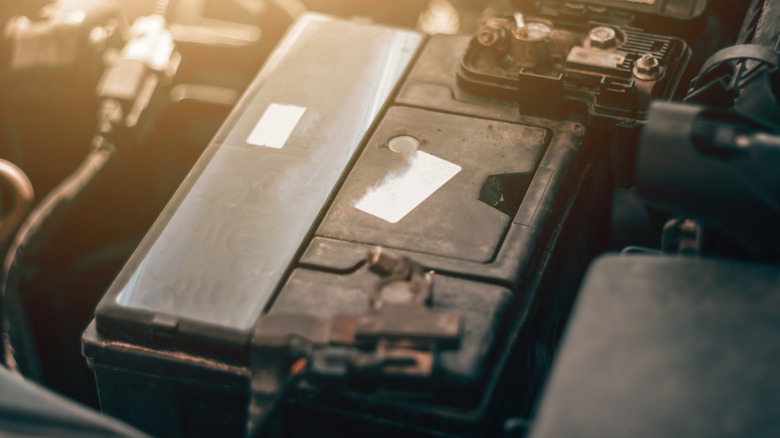
While it's true that car batteries have a low tolerance for freezing temperatures, they tend to fail more quickly in hot weather. Much like how lithium-ion EV batteries work best when it's neither too hot nor too cold, your car's 12-volt battery reacts negatively to extreme bouts of cold or sweltering heat. That's why Consumer Reports recommends getting a battery load test annually for batteries that are 2-years old or older if you live in a hot environment. Soaring temperatures could lead to fluid evaporation, regulator failure and overcharging, and corrosion.
Meanwhile, load-testing the battery once a year is necessary for cars in wintry regions if the battery is 4-years old or older, and it's all in the name of not getting stranded in the middle of nowhere because of a dead or discharged battery. Testing your battery will give you a better idea of the voltage readings after months of succumbing to extreme summer heat or extended bouts of icy winter.
Persistently lower-than-average voltage readings mean it's time for a new battery. For reference, a good battery should register 12.7-volts or higher with the engine running. Anything below those numbers points to a discharged battery, but consider your battery dead if the readings drop to 11.9-volts or lower.
Periodic testing is more essential in hot weather, though, because incessant heat can wear out batteries faster. A new battery can last around 3 to 5 years, but it depends mainly on where you live. Car batteries can last 58 months or longer if you live in northern U.S. regions, while the lifespan drops to under 41 months for cars in the South.
What is the best car battery for hot climates?
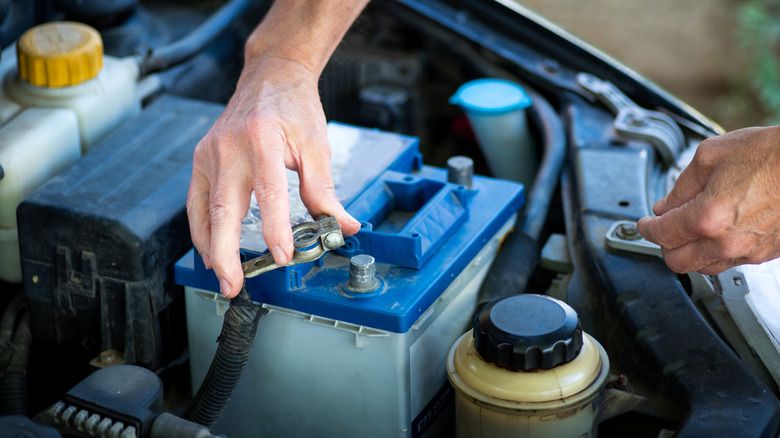
Two of the most popular types of 12-volt car batteries are lead-acid and absorbent glass mat (AGM). AGM batteries are sealed and maintenance-free, while lead-acid batteries often come in flooded variations. The flooded type has removable caps for periodic water replenishments. According to Consumer Reports, AGM batteries have a longer overall lifespan and can tolerate discharges better than comparable lead-acid batteries. AMG batteries are pricier, yes, but they tend to perform better in both hot and cold climates.
Then again, AGM batteries are not invincible and tend to wear out faster in extreme heat, and it's all thanks to the evaporation of electrolytes. In this case, flooded lead-acid batteries have a significant advantage, since you can replenish them with distilled or deionized water. Another advantage is the cost, since lead-acid batteries are more affordable than AGM versions, but the downside is that you'll need to inspect the water level more often to prevent power loss.
Still, AGM batteries take the cake for daily-driven cars, but you should consider the weather in your area, your driving style, and your vehicle type when choosing from the best car batteries. Meanwhile, some brands offer North and South variations of their flooded batteries if you want to save cash. North variants typically offer higher cold-cranking amps (CCA), while Southern batteries have a higher electrolyte-to-lead ratio for added stamina in the heat.
Hot weather battery care tips
Your car battery's lifespan will depend on a multitude of factors, but there are some things you can do to preserve its integrity in the hot summer months. Park your vehicle in the shade whenever possible to protect your car and the battery from the damaging effects of intense heat and UV exposure. Moreover, it helps to minimize the usage of power-robbing accessories like the lights or stereo when the engine is not running, especially when temperatures are soaring. Doing so minimizes battery drain.
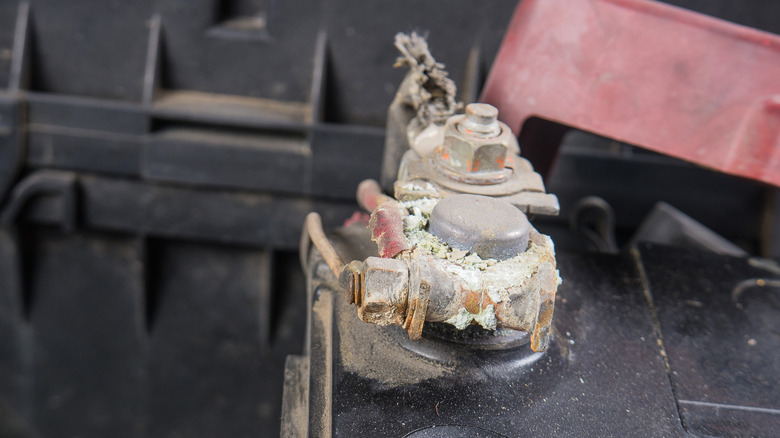
It may sound obvious, but try driving the vehicle daily for at least 20 to 30 minutes to give the alternator enough time to recharge the battery. For stored vehicles, consider using a battery tender to keep the battery fully charged. As a final word, keep an eye on the flaky buildup of corrosion on the battery, which can cause poor performance and hard starting, and remember to clean your battery terminals frequently. You can clean them using an old toothbrush, a rag, and some terminal cleaner, or you can mix baking soda with water in a spray bottle and use that to rid the terminals of gunk.