

The Pros & Cons Of Motorcycle Pod Filters
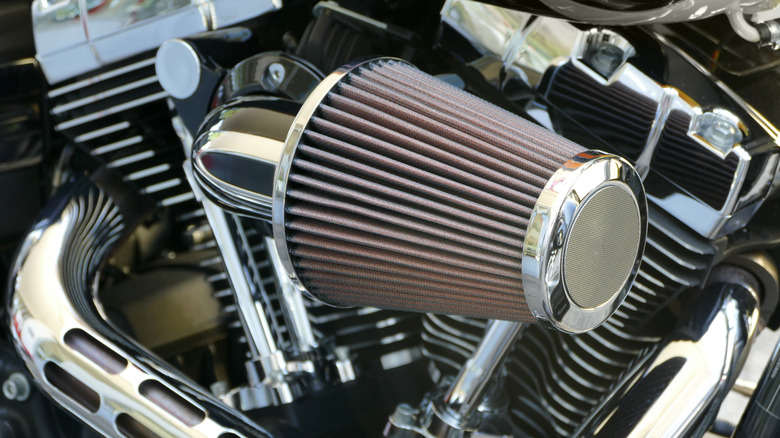
Bikers with a penchant for customizing and modifying their rides often turn to aftermarket air filters to help make their machines stand out — and to add a bit of performance to their rides. Available in a range of sizes, shapes, and colors, these filters not only cater to your bike's performance needs, but also add a touch of personality to its overall look. A pod air filter replaces the factory stock airbox, allowing more air into the intake, which, in turn, can push additional air into the engine, theoretically providing a small boost in performance. However, as with most aftermarket modifications, riders may have to accept a few compromises when altering an integral component of their motorcycle, such as the air intake system.
There have been numerous myths and debates about pod air filters, particularly about whether they actually improve a bike's performance, as well as concerning a few issues that can arise from using them. Just like there are pros and cons of adding a cold-air intake to your car, there are also upsides and downsides to motorcycle pod filters. From performance gains to potential pitfalls, let's break down the pros and cons of running a pod air filter on your motorcycle.
Pros of motorcycle pod filters
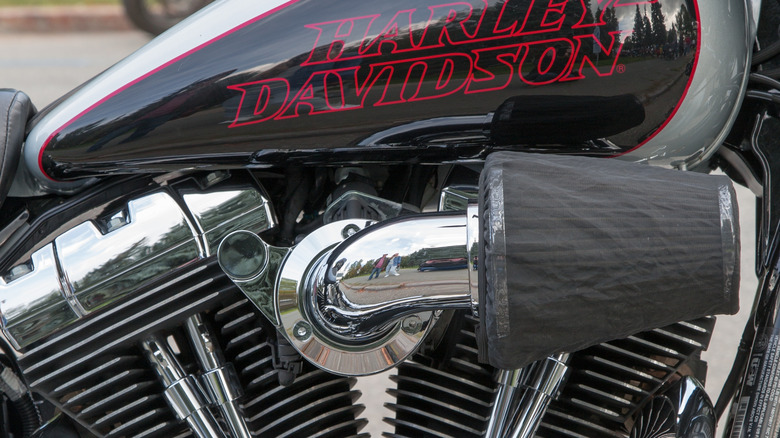
Let's get the looks out of the way first. Pod filters look seriously cool, especially when mounted on classic motorcycles, cafe racers, and certain choppers. They scream performance, and, for some riders, looking cool can be just as satisfying as going fast. However, pod filters can actually deliver on performance, too. By driving more air into the intake and reducing restrictions, they can help produce a bit more power. The stock airbox, usually tucked away under the seat, draws air through small intakes and cleans it using a filter before sending it to the combustion chamber. This longer, more controlled path provides consistent airflow, unlike pod air filters, which constantly rush air into the engine.
While the difference is marginal, the stock airbox is heavier and bulkier, taking up space and adding weight to the bike. Pod air filters, on the other hand, are lighter and free up the space occupied by the stock airbox. Installing a pod air filter on a motorcycle is pretty simple, too, and can be done in your home garage, with just a handful of tools. Pod filters can also be easy to clean, with several manufacturers offering air filter cleaning and recharge liquids to ensure they last longer. Unlike stock air filters, which need to be replaced at regular intervals, most high-quality pod filters last significantly longer. Cotton gauze filters typically last 25,000–50,000 miles, while synthetic filters tend to have a slightly shorter lifespan of 15,000–30,000 miles.
Cons of motorcycle pod filters
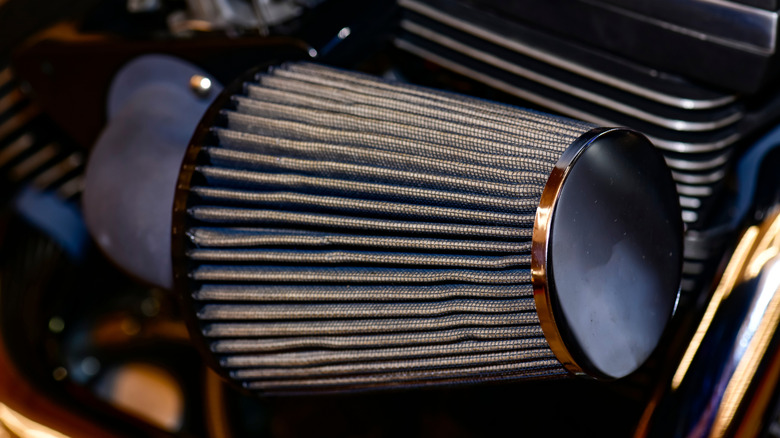
While installing a pod air filter on a motorcycle is a fairly easy process, tuning it is an entirely different challenge. When more air enters the combustion chamber, the fueling must be adjusted to ensure the engine runs optimally, as owners risk running too rich or too lean — that is, with too much or too little fuel. This process is particularly tricky on motorcycles with carburetors, which require correctly sized jets, while many modern fuel-injected bikes can often adjust automatically to the increased airflow. However, a piggyback ECU or ECU remap is sometime necessary, especially if the bike also has a free-flowing exhaust.
A pod air filter is exposed to the elements, which means dust and dirt can enter the intake if the filter is poorly constructed, damaged, or doesn't provide adequate filtration. There's also the risk of water entering the intake during rain, which could cause hydrolock, a potentially very expensive problem. Some owners remove the stock airbox and install a pod air filter in its place, often behind the engine. This location can increase intake temperatures, as the filter may draw in hot air from the engine, which can significantly reduce performance. Adding a pod air filter to your motorbike could also violate certain federal or state laws, despite Donald Trump's claim that emissions standards don't make a difference for the environment. For example, California's VC 27156 prohibits modifications to emission-related parts, including re-jetting carburetors or altering fuel injection systems.
Vehicle manufacturers go to great lengths to ensure their motorcycles run consistently well under varying conditions, and installing a simple pod air filter could not only affect performance but, in some cases, also cause serious damage to the engine and its components.