

Spray Vs. Drop-In Bed Liner: Pros And Cons Every Truck Owner Should Know
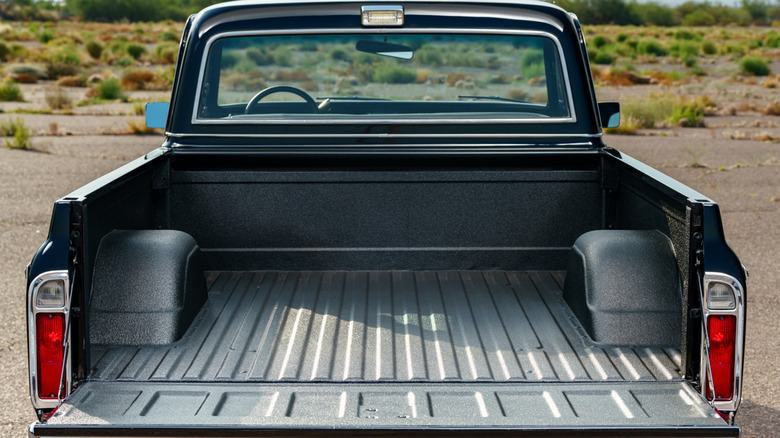
Nobody writes country songs about the bed liner, but without it, your truck would look beat to hell in no time. Every load of gravel, every busted pallet, and every Home Depot run — even riding in the back (if your state allows for it) – leaves a mark. Before long, your rig's bed can start looking like it lost a bar fight. You could call it "character," but most owners would rather not watch their investment corrode from the inside out. That's where bed liners come in handy. They don't make your truck faster, and they sure won't impress anyone at the tailgate, but they do the dirty work of keeping rust, dents, and scratches from turning your workhorse into scrap.
Bed liners generally come in one of two forms: spray-in liners, which offer a thick, permanent, and durable protective coating for the truck bed, and drop-in liners, which are pre-cut plastic or rubber shells that you can place in the bed and, if needed, yank back out. One option is the low-maintenance, set-it-and-forget-it type, while the other is more like a tailored suit that looks sharp but demands a pricier investment.
The big differences, however, revolve around cost, durability, and ease of replacement. Neither is "better" in all situations — it depends entirely on what you haul, how much you want to spend, and whether you plan to keep your truck long-term. The point isn't to crown one or the other as king, but to give you the full picture, so you know which one fits your lifestyle, your budget, and your truck.
The two flavors of truck bed protection
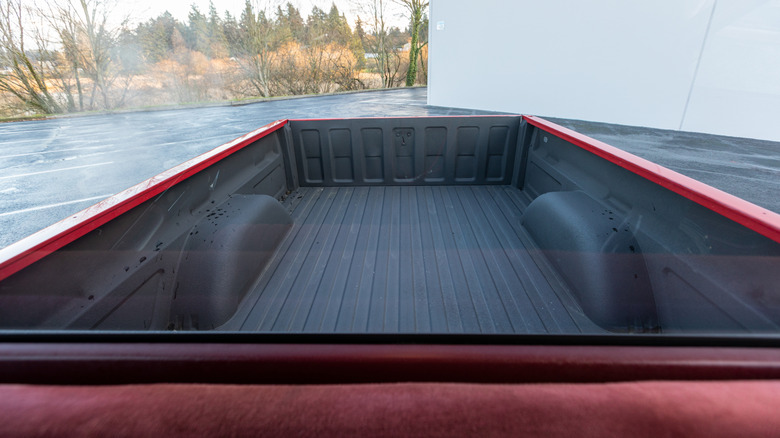
Spray-in liners are the "tattoo" option for your truck bed — once it's on, it's not coming off, at least not easily. Shops spray polyurethane, polyurea, or a mixture of both directly onto the truck's bed, where it hardens into a slip-resistant surface. The coating hugs your truck bed's ridges, contours, ribs, and welds, creating a seamless layer of armor. Spray-in liners offer an airtight seal that protects metal against water and corrosion and paint against the sun's rays. They can also be hosed down easily to clean the bed. Spray-in liners don't rattle, and the textured finish looks almost factory when applied properly. The catch is that you'll almost always need a professional install, unless you've got the gear, space, and skills to DIY.
Drop-in liners, in contrast, are the "slip-on cover" option. They're frequently made from thermoplastic olefin (TPO) or another type of polymer composite material, and they can be custom molded to match your truck's bed. As the name suggests, they don't bond to the metal, so you can pull them out, replace them, or move them to another truck. That makes them a favorite for fleet trucks or work rigs that see heavy abuse. Got a construction crew tossing cinder blocks and toolboxes around? A drop-in takes the brunt of the beating and can be swapped out cheap. Moreover, they can hide old dents and damage, and they don't generally require prep work for the installation. For someone who just wants an easy, budget-friendly layer of protection, drop-in liners are tough to beat.
What the cost and durability facts tell us
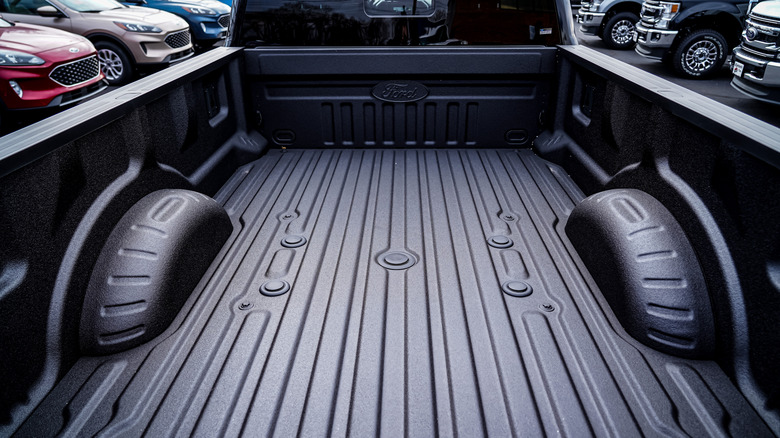
Spray-in liners aren't cheap. A professional job can run between $350 and $700, depending on prep work and the size of your truck bed. On the flip side, drop-in liners cost anywhere from $50 to $400, depending on their material, making them the more budget-friendly option. That said, cost is only part of the story. Spray-ins give you durability that drop-ins simply can't match. They provide a seamless fit, even with irregular bed shapes, while their thick coating makes them resistant to peeling and cracking. Spray-in liners also won't warp or move around like drop-in equivalents. Most of all, because they bond directly to the metal, they can prevent water from sneaking in underneath – one of the biggest causes of bed rust.
Drop-ins have their perks, though. Installation is quick and easy, and drop-ins can be custom designed to fit your truck bed. They're also easy to replace, so if you manage to crack one, it's not the end of the world. Rubber liners can make for great anti-skid surfaces, so your cargo won't slide around while you drive. They also offer protection against chemical spills, but they can trap water and dirt underneath if not installed tightly. Over time, that can lead to corrosion and damage — the opposite of protecting your bed. Plastic drop-ins can also rattle, which can be annoying on the highway. If durability is the priority, spray-ins win. But if you're looking for flexibility and affordability, drop-ins keep things simple and serviceable.
The right liner depends on what you haul
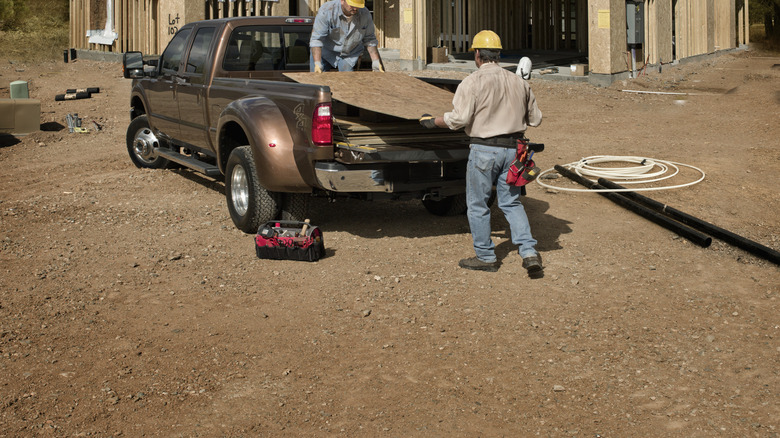
Besides cost and durability, the way you use your truck should also be a factor when choosing between a spray-in or drop-in bed liner. Spray-ins add a textured, grippy surface that keeps cargo from sliding around. That's great if you're hauling loose items and want everything to stay put, but the same texture can make shoving heavy objects across the bed a tad difficult, and the rough surface may scratch delicate loads, like furniture. Drop-ins, on the other hand, often have a smoother finish. That can make them slicker, which can be either a blessing or a curse depending on the load. Easy sliding for furniture? Yes. Cargo that keeps moving on the highway? Also yes.
Noise is another factor. Drop-ins can rattle against the bed, vibrate, and become loose, especially if they aren't bolted down. Spray-ins eliminate that issue entirely since they're bonded to the surface. But keep in mind, if you ever want to restore or sell the truck, spray-ins are basically permanent, and removal can be tough. The original paint is stripped to the bare metal before application. Drop-ins are temporary, so they can be pulled out in minutes, leaving the bed closer to its original condition. They can also be switched from truck to truck if the beds are the same size. For folks who trade trucks every few years, or those who drive leased trucks, that's worth considering. In short, think about not just what you haul, but how often and how long you'll keep the truck before you decide.
Which liner makes the most sense for you
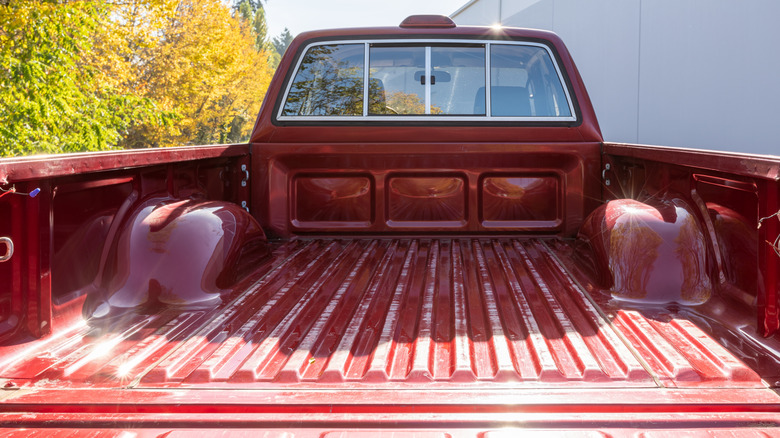
There's no one-size-fits-all winner here. If you're the type who plans to keep your truck for a decade and work it hard, a spray-in liner is the long-term armor that pays for itself in durability, seamless fit, and rust prevention. If you're more of an occasional hauler, or you lease or flip trucks regularly, a drop-in liner makes a lot more sense due to its temporary and reusable nature. Plus, drop-ins are cheaper, replaceable, and don't alter the bed permanently.
At the end of the day, the right choice comes down to how you use your truck. Constant heavy loads, exposure to weather, and long-term ownership could be factors that make a spray-in liner more attractive. Drop-ins, on the other hand, may be the better option if you only occasionally use your truck bed for hauling or if you're on a budget. That said, either one is better than nothing, because nothing leads to rust, damage, and a bed that looks like it's 20 years old after five. Protect it right the first time, and you'll spend a lot more time enjoying your truck and a lot less time at the body shop. Regardless of whether you have a steel or an aluminum truck bed, a liner is a prudent way to protect it against the strains of work and the elements.