

Boeing Planes Are In High Demand, But The Company Has A Serious Backlog To Work Through
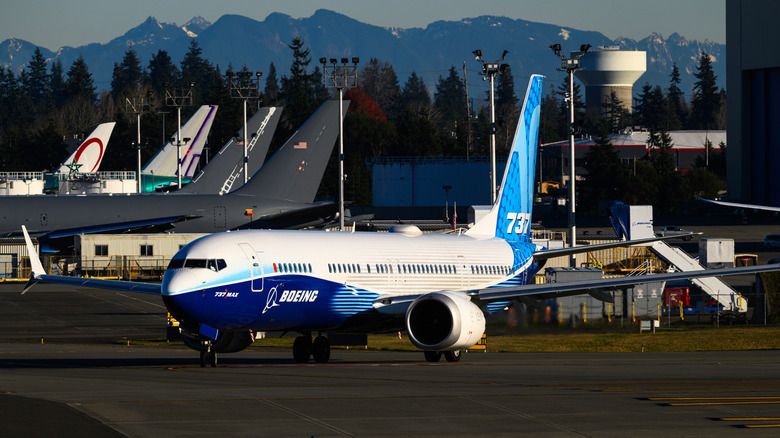
Boeing's commercial aircraft has remained in high demand despite systemic issues that have become impossible to ignore in recent years. However, the unyielding demand and deservedly strict regulatory oversight have created a massive backlog of orders valued at a record $745.4 billion. A mountain of revenue is sitting there waiting, but it could take years for Boeing to build and deliver the 6,300 planes on order. Not to mention the military aircraft that are not included in that figure.
Boeing's backlog issues began in the aftermath of the 737 Max fatal crashes in 2018 and 2019. The aerospace giant halted production of the troubled airliner in December 2019. Production of the Boeing 737 Max didn't resume until May 2020, when assembly was then slowed by the COVID-19 pandemic. Boeing took another blow after a door plug blew out of an Alaska Airlines plane over Portland in January 2024. In response, the Federal Aviation Administration restricted the manufacturer to build only 38 737 Max planes per month. Regulators allowed the cap to be raised to 42 aircraft per month last year.
To compound Boeing's issues, the planemaker has struggled to get its newest widebody certified. The Boeing 777X was originally slated to enter service in 2020, but the model has been plagued by delays. Boeing cited issues with the model's huge GE engines and innovative folding wingtip design. According to Global Aerospace News, there are over 600 orders for the widebody plane. Boeing is aiming to deliver its first 777X in 2027.
A slower-than-expected production ramp-up
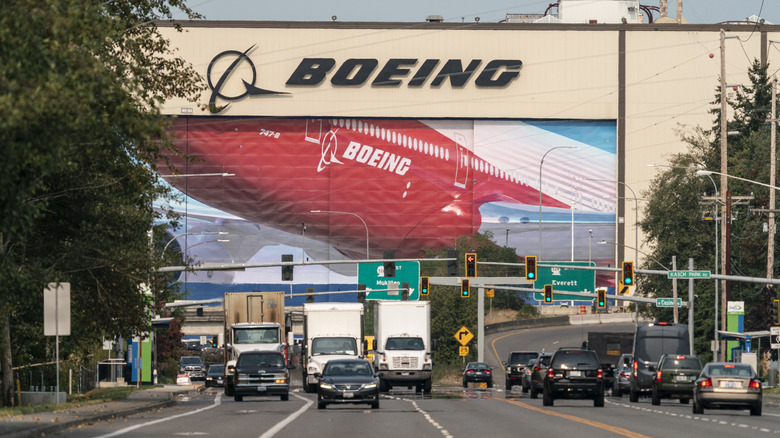
Next year is shaping up to be a crucial one for Boeing. CEO Kelly Ortberg set a goal of raising the 737 production cap to 47 planes per month by Summer 2026, often referred to as Plan 47. Boeing missed its self-imposed deadline and set a new target date of January 2027. According to Reuters, Ortberg said the company's inability to build wings fast enough constrained production. He added that the company hoped to certify another 737 production line to hit 52 planes a month at some point next year.
The need for Boeing to ramp up production comes from financial pressure to pay down its debt. Reuters reported that Boeing ended the third quarter with $25.2 billion in net debt. Admittedly, it's a slightly better position than last year, when that figure was $30.4 billion. The backlog also has a knock-on effect for average flyers. Newer models are more fuel-efficient than the planes they are slated to replace, and airlines have made it clear that fuel costs play a significant role in their bottom lines and ticket pricing.