

The Pros And Cons Of Importing A Japanese Mini Truck
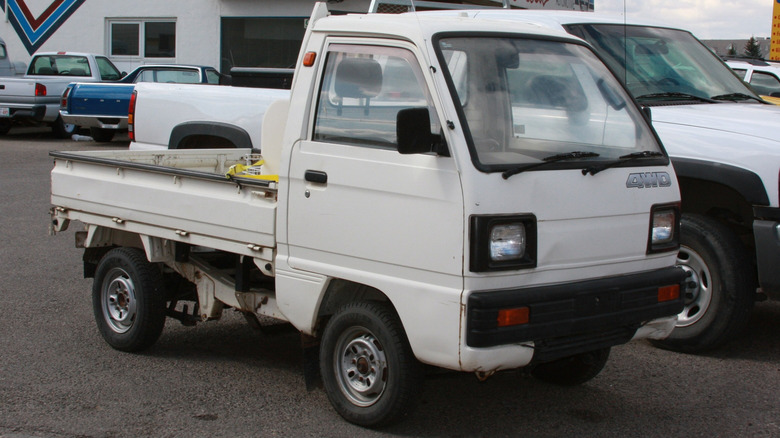
Japan's tiny kei trucks have become a massive novelty in the U.S. — even for road-tripping — with 7,500 imported in 2023 alone. Whether bringing one home makes sense, though, depends on what you want to do with it.
The most glaring pro here is the low entry price. Since they have to be 25 years old or older to be imported, it's perhaps unsurprising that — depending on condition — these used mini trucks generally sell for $4,500 to $10,000, before shipping and registration fees . The price lets enthusiasts from any tax bracket enjoy the amenities of the simple, durable — and, importantly, mechanically uncomplicated — trucks.
Models such as the Honda Acty, Suzuki Carry, Daihatsu Hijet, Subaru Sambar, and Mitsubishi Minicab all have decades of production behind them, along with a knack for toughness and reliability. And their small footprint makes them handy for farms, trade jobs, and urban delivery runs that would frustrate a full-size pickup, while also offering low fuel consumption.
But despite the benefits of these kei trucks on paper, know that legal and regulatory adversities can vary from state to state. There also can be unforeseen costs and safety concerns that present a real challenge for prospective buyers.
Don't go after that kei truck just yet
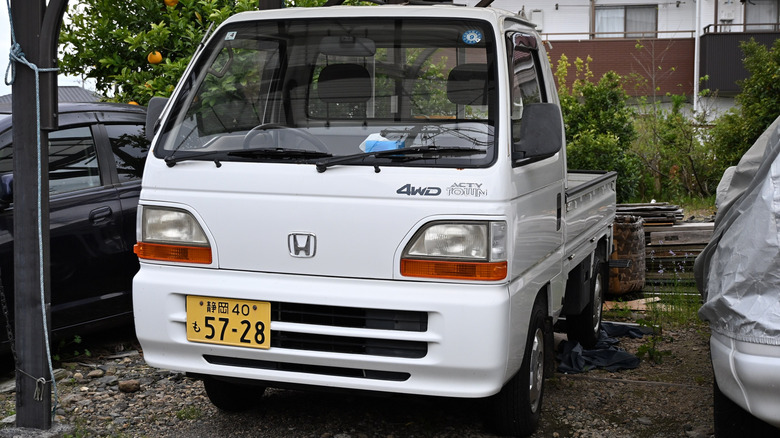
The notorious 25-year federal law applies to kei trucks, counted from the month of manufacture rather than the model year. Being mindful of build dates before you buy can help avoid any holdups. Even when your mini truck clears customs, though, that doesn't guarantee license plates.
California is the hardest case, with most kei trucks that satisfy the federal age rule still unable to be registered because they don't meet emissions and safety regulations. Elsewhere the rules vary — states like Wyoming and Arkansas bar use on interstate highways while others like Georgia refuse road registration outright. Concern over how these trucks fare in a collision has led several states to crack down.
Shipping costs, customs and registration all add a few more thousand dollars on top of the sticker price — finding a reputable importer takes legwork, and the wait for shipping and customs clearance can last months. Once you've navigated that, insurance can pose another hurdle as some agents and systems may not be able to accommodate kei trucks. And though these tiny trucks are touted for their robust builds, sustained stateside highway speeds wear down parts faster and finding replacements is hard, as those parts aren't stocked at ordinary auto parts stores.
For a farm, estate, or enthusiast collection in a state with friendly rules, a kei truck can be a rewarding purchase, so long as you confirm your state's registration rules first. If all you need is a cheap light-duty pickup, however, several other examples are readily available. Perhaps a Ford Maverick might just be what you need.