

The Pros And Cons Of Electromagnetic Brakes
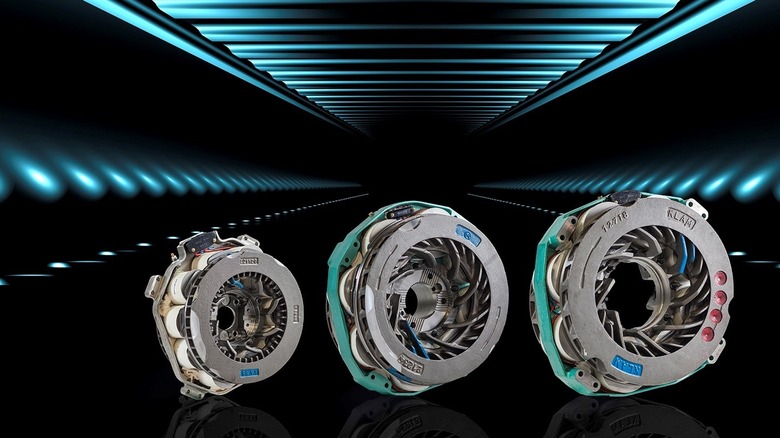
Do you tow a trailer that has conventional hydraulic brakes, and are you thinking of installing electromagnetic brakes instead? Electric trailer brakes do hold several advantages over conventional brakes, such as the fact they require less maintenance and are relatively easy to install. They also work faster than hydraulic trailer brakes, which activate when the trailer pushes against the tow vehicle, causing more pressure on the hydraulic fluid, and squeezing the shoes against the drum. That can be accomplished much more quickly with an electrical current. Electric trailer brakes are also hundreds of dollars cheaper than conventional hydraulic trailer brakes. However, they cause a greater drain on your battery and alternator, and aren't ideal for heavier commercial trailers, unless you go for a hybrid electric braking system over a hydraulic one.
Another kind of electromagnetic brakes are eddy current brakes, often seen on heavy trucks and buses. These work as supplementary brakes that handle most of the braking without causing any friction wear, prolonging the life of your conventional brakes and reducing brake fade. They are versatile enough to work with disc brakes or drum brakes, which are still used my lots of semi-trucks. Since they aren't designed to work on their own, they represent an additional cost, though they may pay for themselves when you take into account how much longer your pads or shoes may last. Additionally, they can be heavy and may also produce a greater drain on your alternator and batteries, depending on how they are built.
Pros of electromagnetic brakes – Less maintenance
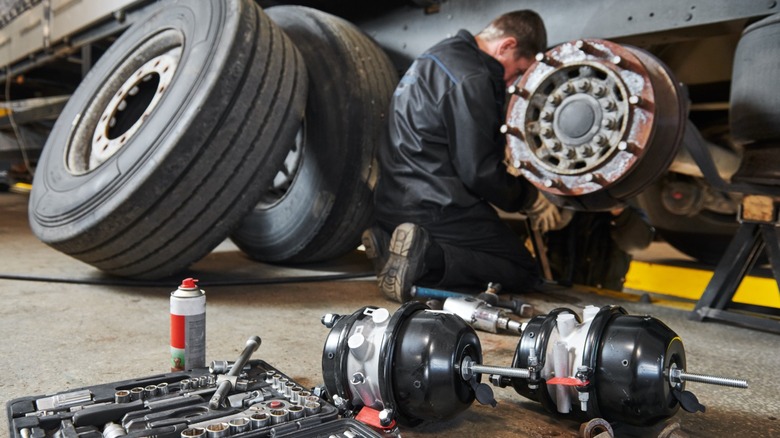
Shoes and pads on conventional brakes have to be replaced at some point. It's an inconvenience involving vehicle downtime and it can get expensive. But that's to be expected when a system relies on parts rubbing against each other. One of the great things about eddy current brakes, though, is that they are pretty much maintenance free. There is no friction involved in the operation of these brakes. The wheels are slowed by means of an electromagnetic field.
Even the conventional, or foundation, brakes last longer when they work in conjunction with eddy current brakes. Eddy current brakes act as "retarders", slowing the wheels down most of the way. However, they don't work well at lower speeds. That's when the conventional brakes take over. According to one manufacturer, KLAM, eddy current brakes will slow the wheel down about 85% of the way, while the foundation brakes only need to handle the last 15%. Since these foundation brakes don't have to work as much, they take much longer to wear out. KLAM claims their eddy current retarders can help foundation brakes to live seven times longer.
Electric trailer brakes are also easy to maintain, as well as to install. However, they do require a little more maintenance than eddy current brakes. That's because their operation involves pushing the brake shoe against the drum like conventional brakes, meaning the shoes are going to wear out at some point.
Pros of electromagnetic brakes – They work fast and offer more control
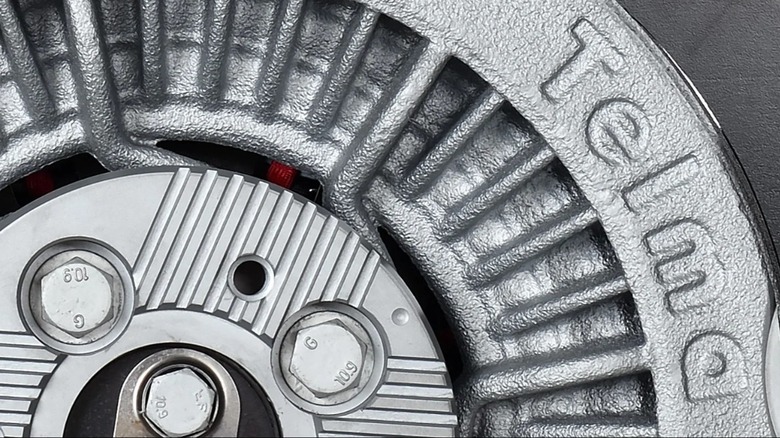
You want your brakes to work quickly, especially if you're towing a trailer or driving a heavy vehicle. Another great advantage of both electric trailer brakes and eddy current brakes is that they are activated instantaneously. An electric current is sent right to the brakes when the pedal is pressed down. According to KLAM, eddy current brakes significantly reduce stopping time over conventional brakes alone. That kind of immediacy also offers more control to the driver. Compare this to conventional brakes that wait on the brake fluid to travel through the lines to exert enough pressure on the shoes or pads. It generally works quickly, but not as fast as EC brakes.
Regular hydraulic brakes on a trailer, or surge brakes, can be even slower. That's because they're not activated as soon as the brake pedal is pressed. They are activated by momentum. As the tow vehicle slows, brake fluid is sent to the shoes, pressing them against the drum. Electric trailer brakes, on the other hand, are activated as soon as you step on the pedal.
Probably the best of both worlds for trailer brakes can be found in electric over hydraulic brakes. This is a hybrid system that sends an electric signal to activate the brakes. From there, the mechanical operation is the same as hydraulic brakes. This kind of braking system offers the speed and control of electric brakes and the power of hydraulic brakes.
Pros of electromagnetic brakes – No brake fade
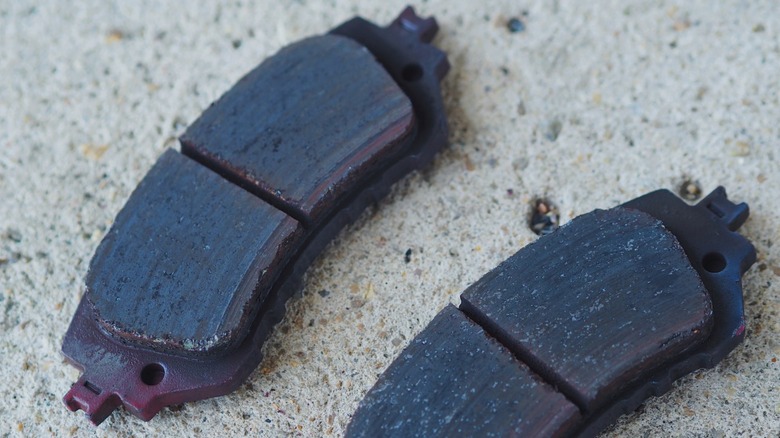
Few things are scarier than going down a steep mountain road in a semi pulling a loaded trailer when suddenly the brakes stop working. Well, being in front of that semi would be even scarier, we guess. This is often a phenomenon known as "brake fade," which can have a few different causes, like overheating.
Prolonged friction of pads pressing against rotors or shoes against drums is one of the things that can cause brakes to overheat. During normal operation, you press the brake pedal down a few seconds at a time, giving that heat time to dissipate. But in extreme circumstances, like while driving down a steep mountain road or pulling an overloaded trailer, there may not be enough time for the heat to dissipate. When that happens, it takes much longer to come to slow down or come to a complete stop. Needless to say, that can be a dangerous situation. Eddy current retarders help to prevent this situation by taking on most of the braking. That relieves pressure on the pads, resulting in less friction.
Another cause of brake fade is wear and tear of the pads or shoes over time. Eddy current retarders help with this, too. As we stated earlier, they do up to 85% of the braking. That means the pads and shoes aren't used nearly as much, taking them a longer time to wear down.
Pros of electromagnetic brakes – They can be more affordable

Keeping operating costs down is important in trucking, whether you're an independent operator or owner of a fleet. This is one significant advantage that electric trailer brakes have over conventional hydraulic brakes for trailers, especially when it comes to upfront costs. The cost of electric trailer brakes typically comes out to $200 to $600 per axle. Not exactly cheap, but that price range includes installation by a professional. Conventional hydraulic surge brakes, on the other hand, will run you anywhere from $550 to over $1,200 per axle, including actuator, hydraulic drum or disc brake kits, and installation.
The other type of electromagnetic brakes we're discussing, eddy current brakes, doesn't save you any money upfront, since they are installed in addition to conventional disk or drum brakes. However, initial purchase price isn't the only factor that determines whether something is economical. Remember, eddy current brakes prolong the lives of shoes and pads on conventional brakes, meaning you won't have to shell out to replace those parts as frequently. Maintenance is less costly for both eddy current brakes and electric trailer brakes. That's not to say that electric trailer brakes and eddy current brakes never need repair or maintenance. The shoes and drums on electric trailer brakes have to be replaced from time to time. And electrical components on eddy current brakes may go out and need to be replaced, as well.
Cons of electromagnetic brakes – They aren't as powerful as hydraulic brakes
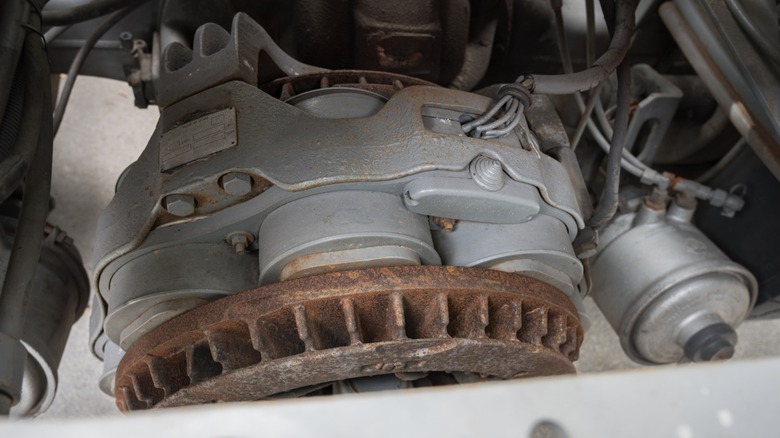
It's not hard to see why electric trailer brakes are pretty much the industry standard. But with all of their advantages, why aren't all trailers equipped with them? For one thing, electric trailer brakes are not as powerful as hydraulic surge brakes. They are great for lighter loads and smaller trailers, like utility trailers or trailers with one axle. But they don't hold up well under hefty loads or heavy use, which is why hydraulic and electric over hydraulic brakes are often used on large commercial trailers. Hybrid brakes offer the best of both worlds for larger trailers, though they are more expensive.
Eddy current brakes have their own limitations. They are dependent on the wheels rolling at higher speeds in order to create the eddy currents. The higher the speed, the higher the torque. Once the vehicle slows to lower speeds, these brakes are unable to produce enough torque to continue applying force. That's why eddy current brakes can't hold the wheels at a complete stop, and why they need to be used in conjunction with conventional brakes, which take over at lower speeds. When it comes to vehicle applications, eddy current brakes are more brake assistance systems, or retarders, than complete braking systems.
Cons of electromagnetic brakes – EC brakes can be heavy

Eddy current brakes are great at making a vehicle safer and prolonging the life of conventional brakes, but you don't generally find them on smaller passenger vehicles. They are typically installed on large trucks and buses. Why is that? One reason has to do with added weight. Eddy current brakes contain large coils and other heavy components. These braking systems can add over 500 pounds to a vehicle, depending on its size. While it can be justified to add that kind of weight to a city bus, it doesn't really make that much sense for a Honda Civic, for instance.
There is a trade-off for all that weight, even for vehicles massive enough to carry heavy components, though. That trade-off comes in the form of fuel economy. Generally, the heavier a vehicle is, the less efficient it can be. This is a concern for fleet owners with an eye on their bottom line. To compensate for this, intelligent retarder systems have been developed to optimize for fuel economy. For example, regenerative braking capabilities have been added to some systems to recapture dissipated kinetic energy. Other strategies include integrating the system with predictive cruise control and GPS-based terrain mapping.
Cons of electromagnetic brakes – They may require constant power
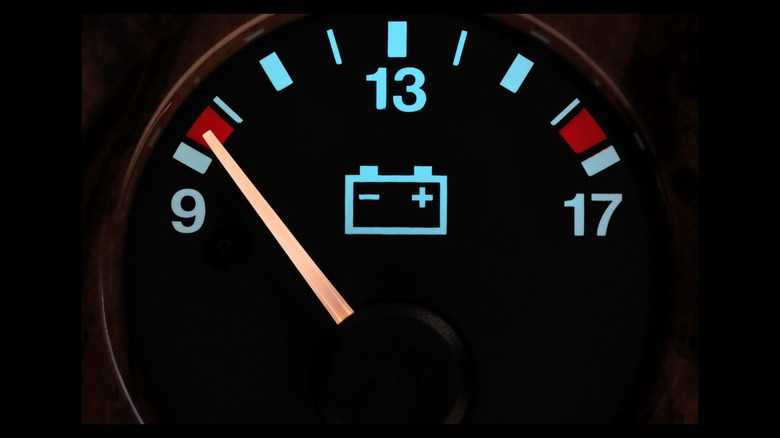
Did you know that eddy current brakes that use permanent magnets do not require any kind of external power? However, some eddy current brakes use electromagnets instead, which do need to be powered. Electric trailer brakes themselves only need to be powered when it's time to slow or stop. But these brakes generally are connected to a controller. The trailer brake controller does need constant power, and are often wired through the headlights, which have to be kept on whenever the vehicle is in motion in order for the brakes to work. And brakes that rely on electrical power may stop working if that electrical current is interrupted. All of this puts additional drain on the alternator and battery. In fact, eddy current retarders that aren't built with permanent magnets require beefy alternators and batteries to work properly.
Brakes that rely on electrical power like electric trailer brakes have another downside — they shouldn't be submerged under water. That means putting them on your boat trailer is definitely not recommended, though we've seen some boaters on the Internet talk about doing just that. It just goes to show why just because a random online stranger does something, doesn't make it a good idea.