

What To Do When Car Repair Shops Say Your Car Is Too Unsafe To Drive
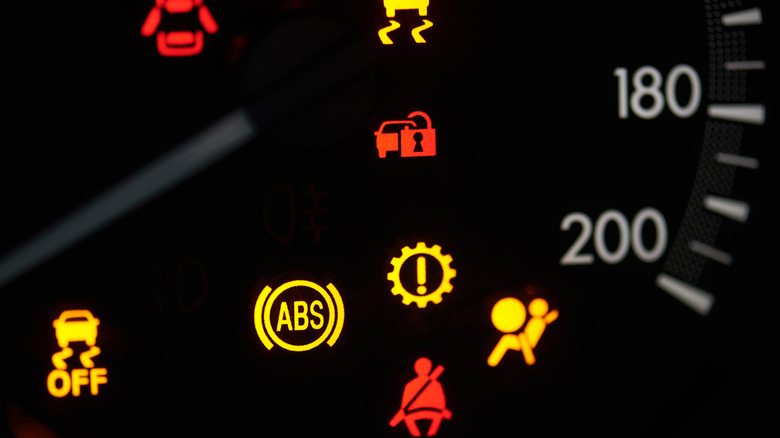
Bringing a car to a shop to chase down a weird noise or decode dashboard warning lamps that are lit up like a Christmas tree is like dental excavation: It ranks high on the list of things we don't look forward to. Even if you're just in for routine service, anytime a mechanic finds something wrong with your car beyond your expectations can be cause for alarm. However, a repair shop declaring your car "too unsafe to drive" is a particularly grim diagnosis that can provoke new levels of anxiety.
What are your obligations or limitations here? You don't want to crash and injure yourself or others, or worse. You're worried about astronomical repair costs. Maybe a friend smells a scam and sends you a link about a shop that charged a woman $4,000 for a repair the mechanic says was never done, and now you have a new fear unlocked. Now what? Assuming you want to pass on the repairs or think it over, can your mechanic seize your (allegedly?) unsafe car or invoke the law to stop you from driving away? We aren't lawyers, so to answer that question, we decided to call an expert.
Doug Burnetti is the founding attorney of premier personal injury law firm Burnetti, P.A., based in Central Florida, with over 30 years of trial experience, including in automobile, aviation, and transportation accidents. He shared some insights about all these questions, ultimately noting that "the safest response is to request a written diagnosis, arrange a tow, and obtain another qualified opinion rather than gamble with a failure that could injure the driver or someone else."
Getting it in writing, and seeking second opinions
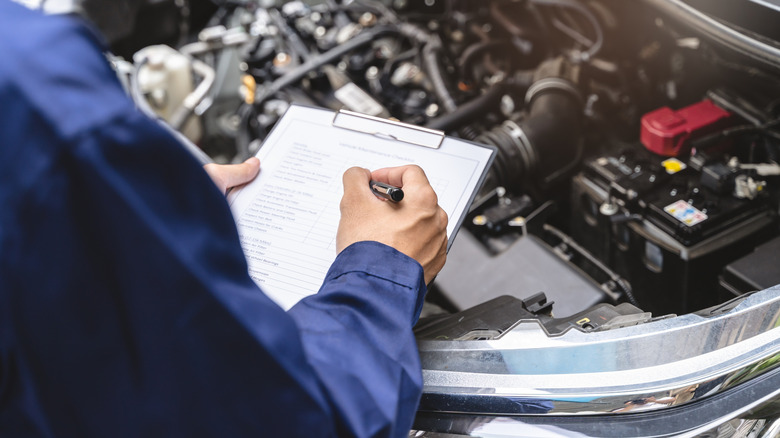
Having a good, honest mechanic that you trust is priceless, so if you've got one, spread the word. Obviously, not all bad car news is a scam. Regardless, you should expect a mechanic to have a reasonable ability to identify issues that would make a car unsafe to drive, but that comes with some considerations, according to Mr. Burnetti:
"Experienced mechanics should be able to identify conditions that make a vehicle dangerously unfit for the road, but that doesn't mean every recommendation is beyond dispute. The shop should clearly identify the defect, explain the immediate risk and provide the customer with its findings in writing so the owner can seek a second opinion if necessary."
As to whether a mechanic is authorized to prevent someone from driving their own vehicle regardless of condition, Mr. Burnetti was also clear on where a mechanic's rights extend or end, and your liability begins:
"A mechanic can strongly warn an owner not to drive and can recommend that the vehicle be towed, but the shop does not automatically gain the legal authority to confiscate someone's car simply by declaring it unsafe. There may be separate grounds for holding a vehicle, such as a valid repair lien, and state-specific laws can affect the answer. Ultimately, the owner often assumes the legal and financial risk by driving away after receiving a documented safety warning."
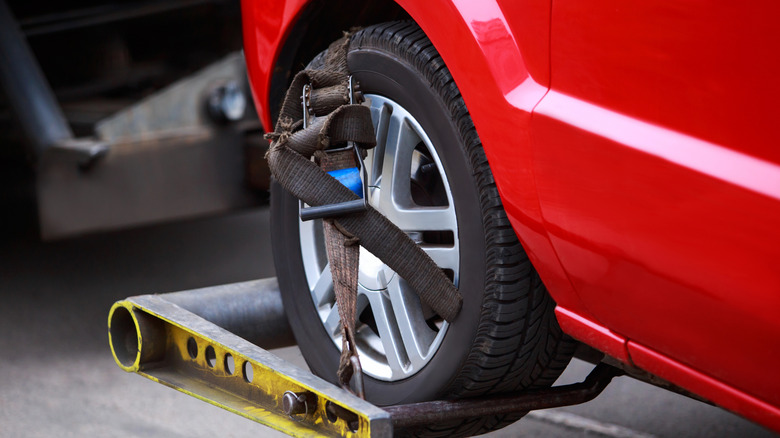
Safest bet: Go for the tow
We also wondered about related repercussions for those of us living in one of the 37 states that require some kind of annual or biennial vehicle inspection — there are currently 13 states that don't. If your car is unsafe to drive, and therefore fails an inspection, what bearing does that have on whether a mechanic is authorized to prevent someone from driving away? Mr. Burnetti offered this guidance:
"In states requiring safety inspections, a failed inspection may make the vehicle illegal to operate until the defect is repaired, subject to any limited grace period or permission to drive it for repairs. That strengthens the legal consequences of driving the car, but it does not necessarily transform the mechanic into law enforcement. The safest response is to request a written diagnosis, arrange a tow and obtain another qualified opinion rather than gamble with a failure that could injure the driver or someone else."
As with any legal matter, you should check your state and local guidelines to make sure you have a full understanding of your rights and liabilities regarding repairs and unsafe vehicle operation. If you want to have your vehicle towed home for a second opinion from a mobile mechanic, here are some important things to know before hiring one. And, if you've uncovered a safety problem you think merits more attention, you can report it to the National Highway Traffic Safety Administration.