

F1 Mulling Massive 3-Liter Turbo V8s For Its Next Engine Formula, Fans Are Already Brandishing Pitchforks
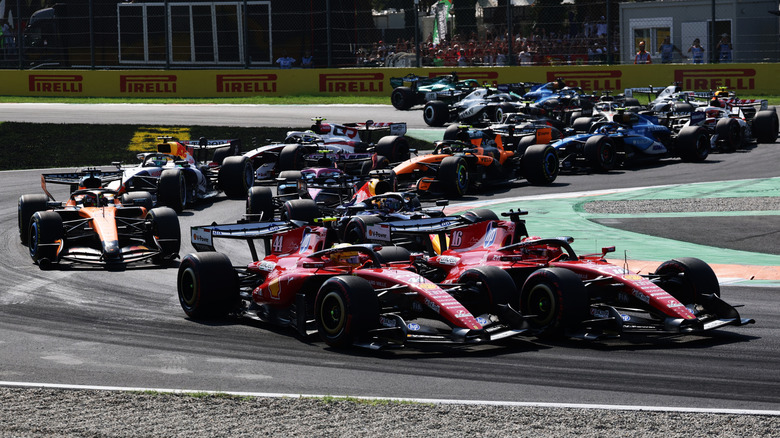
Formula 1's 2026 power unit regulations were catnip for automotive executives, getting Audi, Cadillac and Ford to pile into the world championship paddock. However, the new engines have been met with a near-unanimous revolt from the drivers. Formula 1 is now preparing for three-liter turbocharged V8 engines for the 2030 season, a seismic course correction. The initial reaction for fans have been negative so far. It's not a surprise because they largely parrot whatever their rose-tinted Instagram algorithm tells them to like, and turbochargers are now viewed as wimpy.
F1 last mandated V8 engines from 2006 until 2013, albeit naturally aspirated. The sport's highest-ever-revving engines were gradually limited over their lifespan, but produced over 750 horsepower by the time they were retired. In 2030, the manufacturers could easily eclipse the 1,000 hp mark with an added turbocharger and 17 years of new technical knowledge. Also, electrification won't be going away entirely. A 134 hp electric motor and a much smaller battery are on the table. The hope is to cut 110 pounds from the combined power unit. The 2026 powerplants have a minimum weight limit of 407 pounds. F1 CEO Stefano Domenicali said to Reuters in July:
"I think that the main target of the future regulation is to keep things as simple as possible. To bring Formula One to a lighter class (of car), with a sustainable fuel, with of course electrification, and give the chance to the drivers, above all, in a certain mode to push as hard as they can."
The lobster is simply too buttery for some
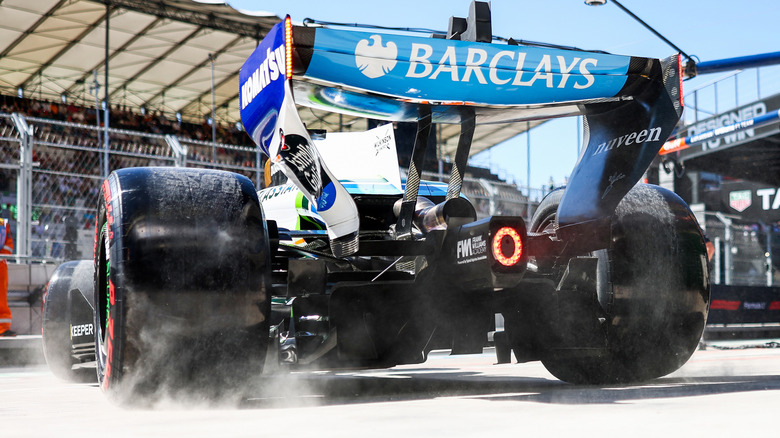
The 2030 turbocharger will be smaller than the current forced-induction setup and serve a dual purpose as an improvised muffler. According to Autosport, the turbocharger's inclusion was a necessary compromise. The noise restrictions posed by the current glut of street circuits make it impossible for F1 to reach its desired power figures with naturally aspirated engines. Despite the turbine in the exhaust, the new engines will still be louder. Regardless, the fans don't want to hear it.
If I ever argue that putting a turbo on a three-liter motor is a bad idea, bury me in a shallow grave. A vocal legion of F1 fans has no interest in competitive racing, just shouting for an aesthetic to make their entire identity. F1 is also debating whether or not to introduce an IndyCar push-to-pass system in 2030. I don't have to guess what the opinions on social media are like. Real drivers apparently spend the whole race stuck in dirty air, pass on pit strategy and watch Michael Schumacher win another championship. If I wanted to see deafening formation flying, I'd go to an airshow.