

5 Essential Tips To Prepare Your Car For A Concours Event
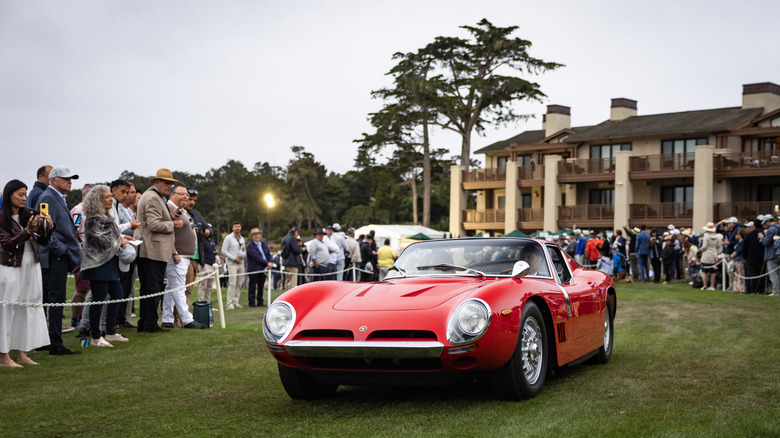
Even if you don't speak French, the words "concours d'elegance" paint a warm and silky picture of bourgeoisie splendor. Translating the phrase may confirm these suspicions, as it means "competition of elegance." These events are something like the automotive version of a Miss Universe competition, bringing out the world's finest automobiles from all corners of the globe and all periods of history to compete against each other in a contest of beauty and grace.
As a spectator, a concours d'elegance drowns the senses in pleasure, like how the 2025 Las Vegas Concours was overwhelming in the best way. The showing lawns are manicured to golf club standards, the cars are done up and beautiful, cloth-covered tables present food and drink, the people are dressed to the nines, and music, glass-clinking, and motor rumbles float through the air. It resembles something of the gearhead's idea of heaven's reception service.
At the end of the day, though, it is still a competition, and despite the indulgent grandeur of it all, your experience as a competitor may be slightly less relaxed. In truth, these are some of the most uncompromising and tight competitions you can enter a car into. However, following a few tips, like maintaining detailed documentation about your vehicle, making sure your car is in spotless condition, and researching your event, can give you a foot up in the competition. Just getting into a concours can be a challenge, so you want to leave nothing to chance. Here are five essential tips to prepare your car for a concours event.
Know your event and judges
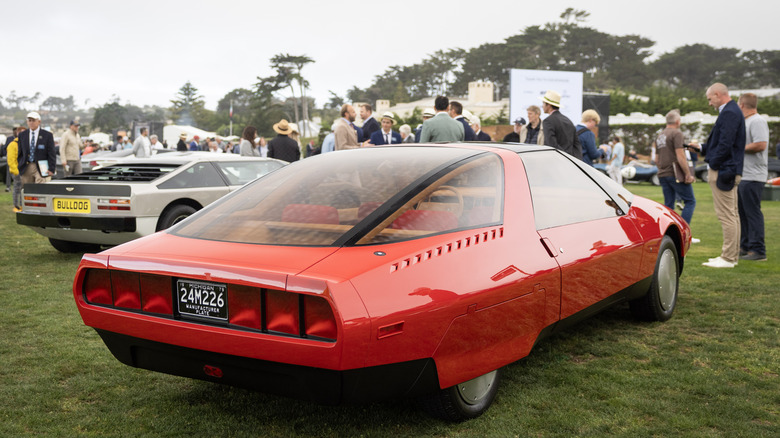
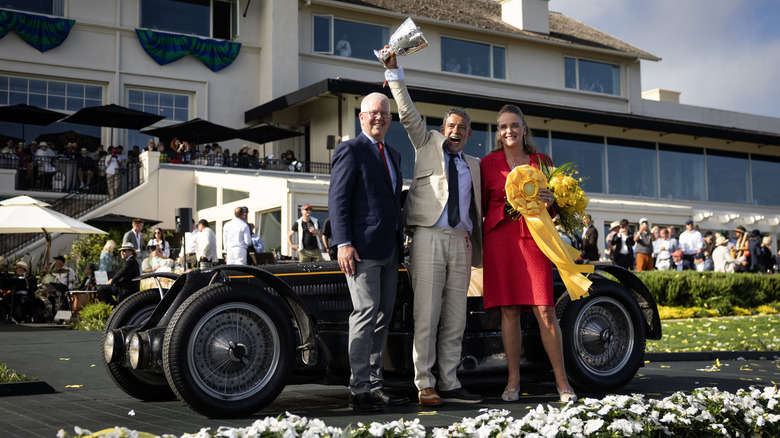
Before you pick up your keys or or open the garage, make a plan. As we said before, a concours d'elegance is a competition of elegance, and while that will be the guiding maxim for all such events, there can still be major differences in the details. Going in blind essentially leaves you at fate's mercy, so open the computer, and turn on your detective brain. Read any and all materials you can find about your concours, and familiarize yourself with the scoring and class system. The Pebble Beach Concours, for instance, opens with a spread of classes that groups cars together based on time periods, marques, body styles, and more. Each class has judges that are experts in their respective niches and choose class winners. The best in show is then chosen from the winners, like this year's one-of-two 1935 Duesenberg SSJ Special Speedster.
Try to attend the event you're interested in, and reach out to former competitors to pick their brains about its happenings. For example, some events want to see you drive your car, which adds another level of preparation. Become intimately familiar with your specific class requirements, and research your judges, their tendencies, and preferences. This may seem like overkill, but you want to make your entry count. Pebble Beach, for example, bans cars from competing again for 10 years after their initial entry. Not all events share this policy, but you may want to consider planning as if they do.
Clean to perfection
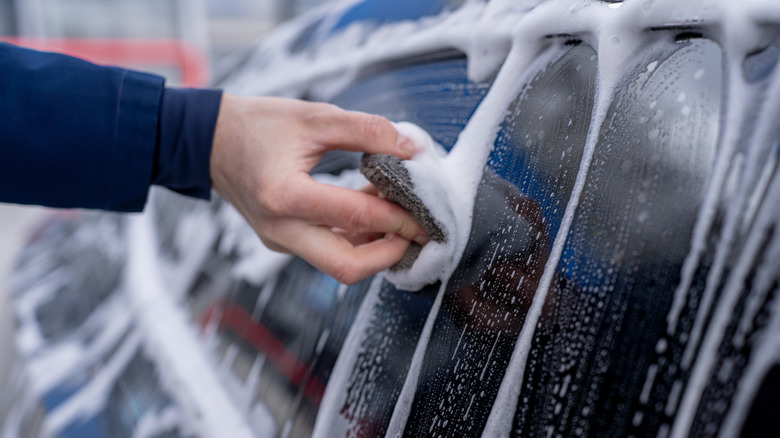
If you only read one section from this list — if you only take one tip to heart — let it be this one. No matter what event you enter and no matter who is judging your car, cleanliness is paramount. Even a small fingerprint on a window or a speck of mud on the wheel well can dock points. Work slow, and err on the side of caution, there are lots of things you may not know can ruin your car's paint job, and you don't want a fresh scratch just before showtime. Think of the process not just as a touchup to mask the woes of age, but as a complete restoration that erases your car's age entirely.
Plan for at least a week of thorough and organized cleaning. Once the outside is showroom ready, start on the parts that you can't see. Underbodies, wheel interiors, doorsills and anything else that can be seen without a complete disassembly of your car should be clean enough to eat off of. Once that's finished, hit the engine bay, and get those grease stains out of the interior, too. You can search for technical service bulletins from your manufacturer to identify common problem areas or hyper-specific cleaning and maintenance tips. Even your cleaning materials like brushes and towels should be spotless. Take your time, and even when it's finished and at the event, double check for blemishes any time you get into your car or touch it.
Documentation is key
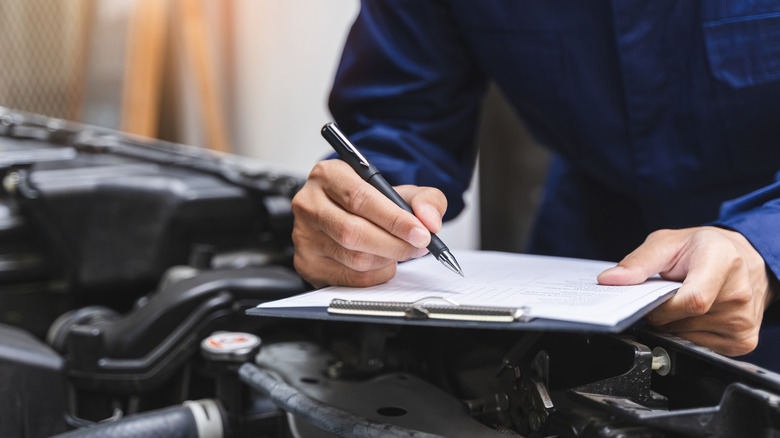
A concours show is about marque history and your car's place in it. It's also about your specific car. Just like us, every car has a story. Your car's place of birth, lineage, past relationships, and more all make it a character, and the judges want to see these things unique to your specific car. The best way to cover this is with documentation. You may be wondering how to find vehicle service records, so give yourself ample time to build your car's personal history book. Spec sheets, dealership documents, catalogue entries, owner's manuals, registration papers, insurance, and legal titles help not only with legitimizing your ownership and logistical information, but with contextualizing your car's story, too.
Generic documents like appraisals and spec sheets are great to have, but remember that your judges will be experts already and can probably recite this information in their sleep. Emphasize things that make your car special. Even non-official documentation like photographs or written mentions can be hugely powerful when it comes to anecdotal histories such as motorsport usage or ownership lineage. When you have everything you need, organize like it's a court case. You don't need a big colorful posterboard with framed photos propped on the hood. Remember that this information is supplemental, and that every second your judges spend deciphering and sifting through documents is a second lost on your car, so file and present this information neatly and unobtrusively.
Come fully operational
It would be fair to say that a concours d'elegance is about having a pretty face, but it would also be fair to say that the inside counts, too. As we mentioned before, some concours events will require entrants to drive their cars as a part of the judging process. Whether or not your specific event explicitly calls for a driving section, make sure anything that spins, sparks, or moves is working in pristine condition. A concours-ready car should look as if it were time warped to the show grass straight from the factory floor, and that includes its functionality.
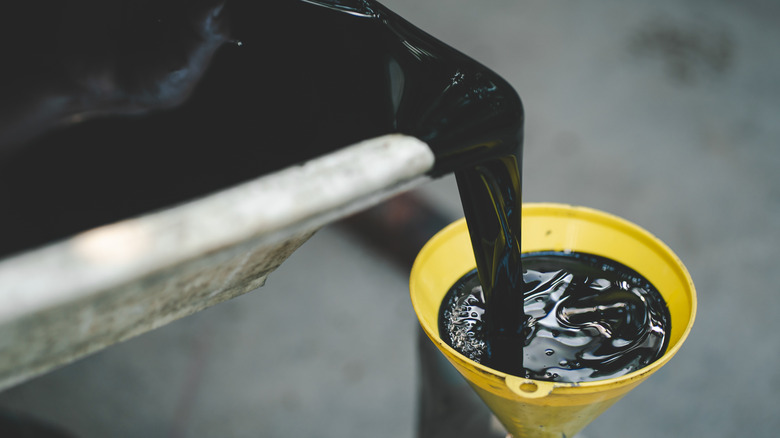
Start with the basic maintenance items you should probably check on anyway, and then you can get into the weeds. It may also be a good idea to flush and replace any fluids that have been sitting for a while, even if the dials say they're good to go. There are some car parts you should never cheap out on, so give your vehicle the care and repairs it needs, no matter how insignificant they may seem. Next, check electronics like lights and horns, and you should also inspect things like ergonomics and small mechanical bits like seat adjustments and door latches. The goal is for every moving part to be in pristine functioning condition, no matter how big or small. The last thing you want is a smoke belch from your exhaust or a door that won't shut fully when the judges are performing their inspection.
Follow concours etiquette
Throughout your preparation, remember that a proper concours-ready car is all about preservation, not augmentation. Should you come across anything that needs replacing in your preparation, do all you can to find period-correct components sourced straight from the OEM if possible. Once on the field, you want to present your car exactly as it would have come straight from the dealership. If things like toolkits, a pair of gloves, or even a keychain originally came with the vehicle, they are valid supplementary artifacts that will help present your car as a whole package. Rules vary, but the main purpose of a concours is to let a car bask in its beauty, exactly how the designers intended. This being the case, keep all doors and hoods shut to show off the car's form, and only adjust this presentation at the request of the judges.
As the owner of the car, you are its presenter as well. Be present when the judges arrive, and sharpen your knowledge of your car beyond what's already shown in documentation. Have this info on tap, but, again, only dispense it at the judge's request. You want to be a resource without taking attention away from your car. Finally, some corny but true advice: Take a deep breath, and remember to have fun. A concours event is a competition, but remember that you're surrounded by cool cars and other enthusiasts. Walk around, have a drink, and indulge in the opulent showmanship of it all.