

Tesla Cybercab's Touchscreen Is Already Proving To Be A Problem For First Responders
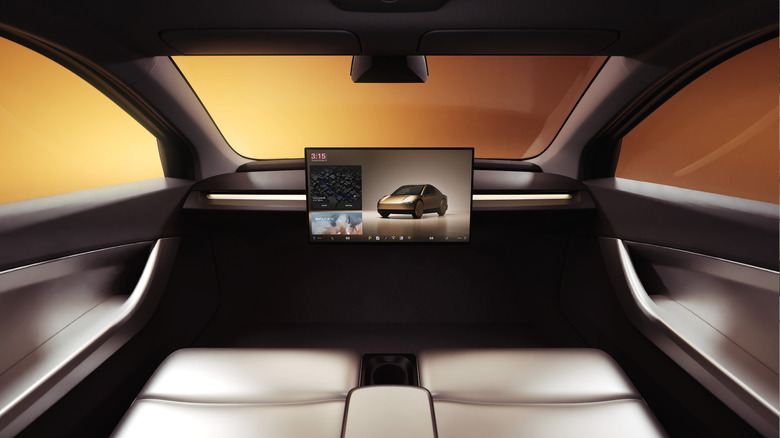
Tesla's Cybercab Robotaxis are already on the loose in parts of Florida and Texas. In Austin, firefighters and first responders were given time with Tesla to learn how to address its taxi in an emergency before it graduates to public roads. Yet, even with training, NBC News reports the people on the front lines have more concerns than reassurance with these taxis in upcoming real-life emergencies.
Austin's first responders have plenty of experience dealing with problematic autonomous vehicles in emergencies. The nightmares have helped them lead the charge on improving autonomous vehicle responses when interacting with first response staff and vehicles. They also inspired NHTSA's letter to AV companies in July asking them to step it up and put an end to the havoc they're wreaking on first responders and American lives.
With that experience in hand, Austin Fire Captain Matthew McElearney told NBC he remains unsure as to how well the training will work on the field. The captain cited the touchscreen as a specific issue, where it "could fail a firefighter in an emergency situation in numerous ways," from a firefighter's gloved hands, sweaty and dirty when the gloves are off, to a cracked screen or dealing with a lack of power.
Lack of power could be incredibly problematic as Tesla's 70+ pages of documents provided to first responders says this is the only way to move the vehicle. Without brakes or acceleration pedals, shifters, and no steering wheel, the car's controls are dependent upon the touchscreen and access to it. Without it, first responders have to call for assistance from Tesla Robotaxi First Responder Support or its Rapid Response team. From there, first responders "must be in uniform and prepared to show a badge or official identification to the camera on the B-pillar of the Robotaxi vehicle," before a human will help. All unhelpful, time-consuming steps when in the middle of an actual emergency.
NHTSA's regulatory body is all over the place

This approach seems to go relatively against what NHTSA administrator Jonathan Morrison was aiming to accomplish when he issued his call to action in July. Morrison's asked AV companies to improve safety and emergency wait times hindered by their autonomous taxis. Yet Tesla's taxis might cause even more headaches. To make things more interesting, NHTSA is currently investigating Tesla for its Robotaxi's alleged failure to meet federal safety requirements, like its lack of hand controls and rear visibility.
But maybe that's a non-issue to Secretary of Transportation's Sean Duffy and his half-baked AV Framework mission. His latest literature on what's next for automated vehicles outlines the NHTSA's already passed "no human-accessible brakes, no problem" and "windshield wipers are overrated" guidelines. Unfortunately for Tesla, "no steering wheels" are part of the agency's future "anything goes" agenda to get more robotaxis on the road. And the company hasn't been issued special exemptions like Zoox and Holon have — yet.
As for the people most affected in this mess, the first responders, there's luckily been no reports of Cybercabs getting in the way of an emergency. But when the time comes, it might prove to be more of an issue than the parked or bricked AVs Austin has already dealt with. Instead of improved responses, the city may have just received another, albeit golden, headache.