

10 Motorcycle Upgrades That Can Improve Comfort And Performance
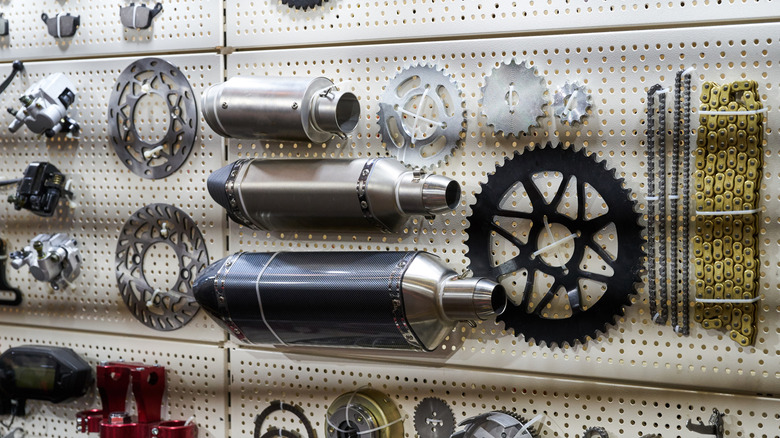
There's no shortage of aftermarket parts that can make a motorcycle faster, louder, lighter, or just better suited to the general business of going very quickly. The catch is that a lot of those upgrades come with compromises. Push too far toward outright performance and the bike can become less pleasant everywhere except the exact situations you optimized it for. Chase comfort too aggressively, though, and you can wind up sanding off some of the feedback, control, and involvement that made the bike fun in the first place.
So today we're talking about the sweet spot. Obviously, most modifications are going to involve some amount of tradeoff; the bike you set up to be a great touring motorcycle for riding long distances won't also be the quickest motorcycle when it comes to 0-to-60 times. But you can approach the art and science of modification with a general ethos of balance. There are quite a few mods that can genuinely improve both comfort and performance to some degree, and others that can at least improve one without obliterating the other.
That is the standard here. These are not the flashiest motorcycle modifications you can buy, and they are not all going to turn up on a race bike. They are upgrades that, when chosen well for the bike and rider, can make a motorcycle better to ride hard without making you regret it the rest of the time.
Suspension upgrades
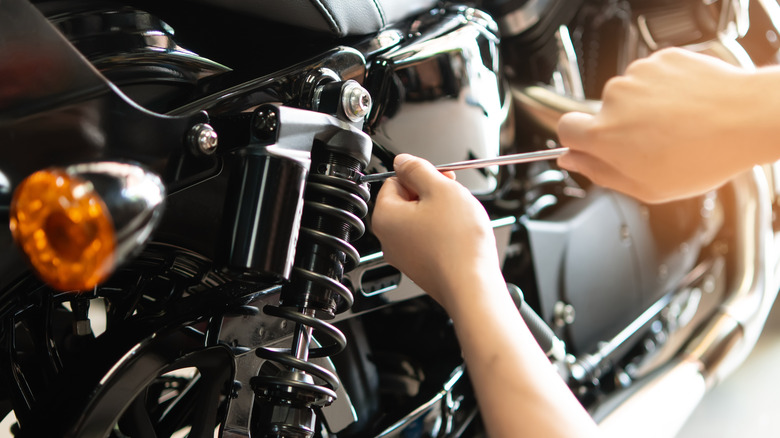
Suspension is probably the cleanest example on this list of an upgrade that can make a motorcycle both more comfortable and more capable. A properly chosen setup can use spring rates and damping better suited to the rider and the way the bike is actually used, which is the basic reason this works so well for our purposes. Good suspension is not simply "soft" or "stiff." The point is to keep the bike composed while still allowing it to deal with bumps, braking, acceleration, and weight transfer without turning every imperfect stretch of pavement into a personal attack. A more aggressive setup can make you feel like a hero in the corners and a fool as you negotiate potholes trying to run what was supposed to be a fun errand.
In any case, you're not going to fundamentally change what the bike is, but rather just dial it in. And just because you technically can turn a supersport motorcycle into a penny farthing, that doesn't mean you should. You also don't need to start throwing expensive gold-anodized parts at the motorcycle just because Öhlins exists. If your bike already has adjustable suspension, learning what those adjusters do and dialing in what you have may be the smarter first move. Adjustable suspension can offer one optimal setting and thousands of potentially subpar ones, and the same is true when you start shopping for hardware to replace what the really smart engineers at the factory already picked out. Get it right, though, and the payoff is exactly what we are after here: a bike that feels less punishing when the road gets ugly and more settled when you get into the throttle.
Better tires
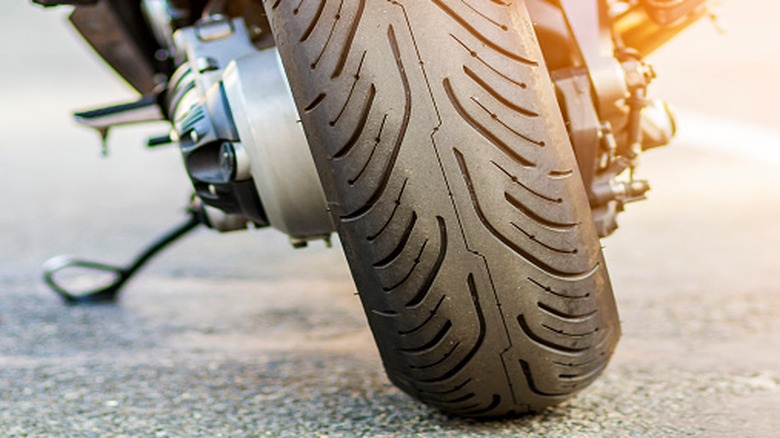
Tires are another place where comfort and performance overlap more than you might expect, because the black round things at either end of the bike are doing a lot more than just keeping the wheels — and, by extension, you — off the pavement. Modern motorcycle tires can be engineered to balance grip, stability, shock absorption, and handling, and that means swapping to a tire better suited to the way you actually ride can change the character of the bike in several directions at once. Better grip and more predictable handling are obvious performance benefits, but the way a tire carcass flexes and absorbs small impacts can also affect how much punishment makes it through to the rider. You are not going to transform a stiffly sprung sportbike into a couch by changing tires, but you can absolutely make a bike feel less nervous, less harsh, or more planted.
The trick is not assuming that "better" means "stickiest thing available." A tire designed around maximum dry grip may feel less impressive once your ride involves cold pavement, standing water, commuting, or a few thousand highway miles. Different compounds and constructions can prioritize wet-weather grip, durability, stability, and cornering performance, and the right answer depends on what your motorcycle actually does most of the time. That makes tires one of those rare upgrades where restraint can be part of the performance gain. Pick rubber that suits the bike, the climate, and the riding you actually do, and you can end up with more confidence when riding hard without making every ordinary mile feel like the price of admission. On the other extreme, you can also just put car tires on your motorcycle, which is apparently a thing people do, though the performance is evidently... suboptimal.
Adjustable brake and clutch levers
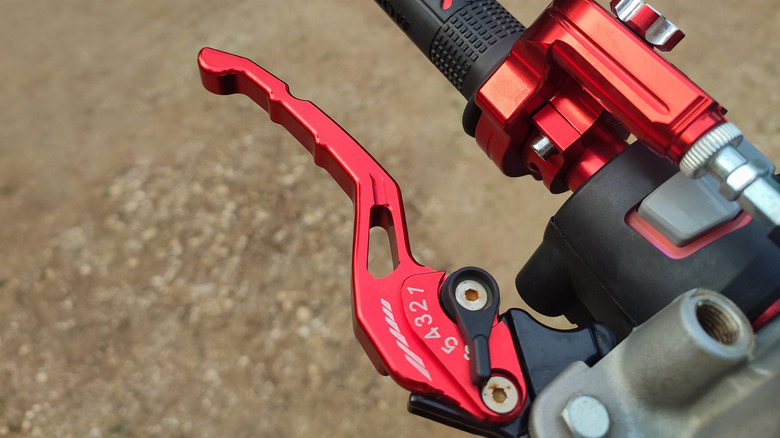
Adjustable levers sound almost too simple to matter until you ride a bike where the controls actually fit your hands. Getting the brake and clutch levers into the right position can improve both comfort and control by reducing awkward wrist angles and giving your fingers better leverage. Reach matters too. Riders don't all have the same hand size, finger length, strength, or preference for where a lever should sit, yet plenty of motorcycles still ask everyone to work with basically the same setup. An adjustable lever lets you bring that control closer or farther from the grip so you are not stretching for it, crowding your fingers, or making every clutch pull feel like one more tiny argument with the bike.
Being able to comfortably reach the controls makes it easier to use them precisely, and some higher-end setups go beyond simple reach adjustment to let riders alter lever ratio and braking response. You do not need race-bred hardware to benefit from the basic idea, though. If the stock levers fit you well, congratulations, you have successfully avoided spending money and don't need to talk yourself into doing so. If they don't, a decent adjustable set can be the kind of thing where $250 in parts can make your motorcycle a better fit and remind you why tinkering with mods is so satisfying. Just resist the temptation to assume that anything short, folding, anodized, and advertised with the word "CNC" is automatically an upgrade. The goal here is not to make the handlebars look like they went on a bender in an accessories catalog. It's to put the controls where your hands can use them comfortably and accurately, which is about as pure a comfort-and-performance win as you're going to get.
Handlebars and risers
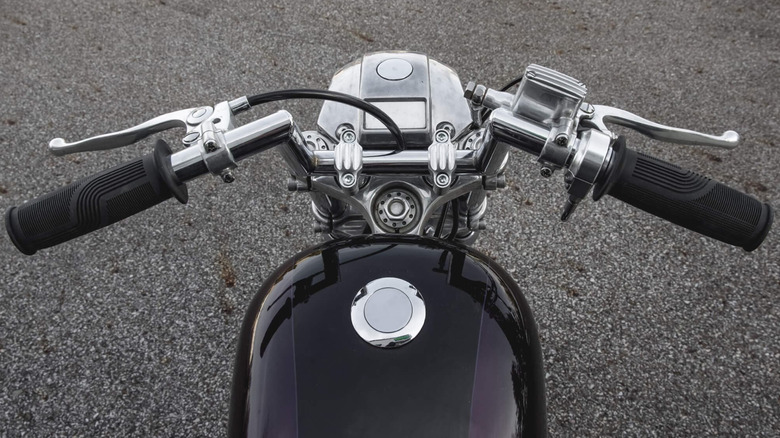
Outside the realm of proper custom choppers, it's easy to assume that the handlebar setup on your bike just is what it is. But even small changes in bar height, sweep, width, or reach can have an outsized effect on how a motorcycle feels, and moving the bars into a more optimal position (for you) can affect posture, create a more natural reach, enhance comfort, and even improve control, to say nothing of giving you something to nerd out about in the forums. Risers and bar-backs are often the easiest route because they can bring the controls up or closer without requiring a completely different handlebar. That can mean less weight on your wrists, less reaching through your shoulders, and a more relaxed riding position.
There is a performance side to all of this, too, because handlebars are also leverage. You steer through them, brace against them, and use them to help position yourself on the bike, so a setup that leaves you stretched out or cramped is not doing you any favors when the pace picks up. Motorcycle ergonomics is ultimately about tailoring the bike to the rider, and handlebars are one of the most intimate points of integration between you and the machine. If a relatively small riser lets you finish a long ride with happier shoulders while also making the bike easier to muscle around, that's the kind of comfort-and-performance overlap we're after. This is also an aftermarket segment where it's possible to obliterate both comfort and performance in one shot with no discernible upside, but you didn't come here to talk about ape hangers or get made fun of for having one of the most annoying motorcycle mods.
Tank grips
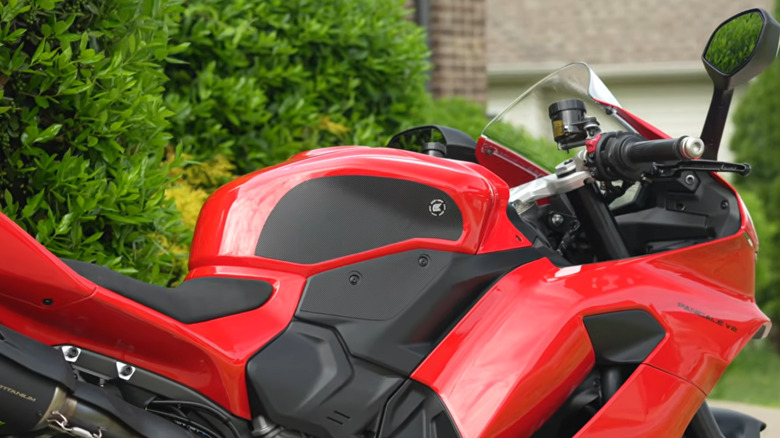
Tank grips are a wonderfully low-tech answer to a problem you may not even realize you have. Those textured pads stuck to the sides of the tank give your knees and legs something more substantial and less slippery to brace against, which can improve control, keep you in place, and generally make your performance riding more precise and your casual riding less vaguely tiring. That is pretty much the comfort-and-performance brief in one inexpensive package. Instead of hanging onto the handlebars for dear life every time you brake hard or accelerate, you can use more of your lower body to stay planted and let your upper body relax a little. The result is less fatigue when you are just riding around and a more secure connection to the bike when you start asking more of it.
This is also a good reminder that "performance upgrade" does not have to mean horsepower, carbon fiber, or anything that asks you to spend a Saturday afternoon wielding a torque wrench. Tank grips can help you stay planted during braking and cornering while keeping a softer touch on the handlebars, which is useful whether you are chasing apexes or just trying not to slide into the gas tank every time traffic stops abruptly. They're cheap, easy to install, and visually subtle enough that you aren't committing the bike to a whole new aesthetic direction. You can be more relaxed when you want to be, more locked-in when you need to be, and the bike itself doesn't have to become any more obnoxious in the process, unless you want it to, of course.
A more supportive seat
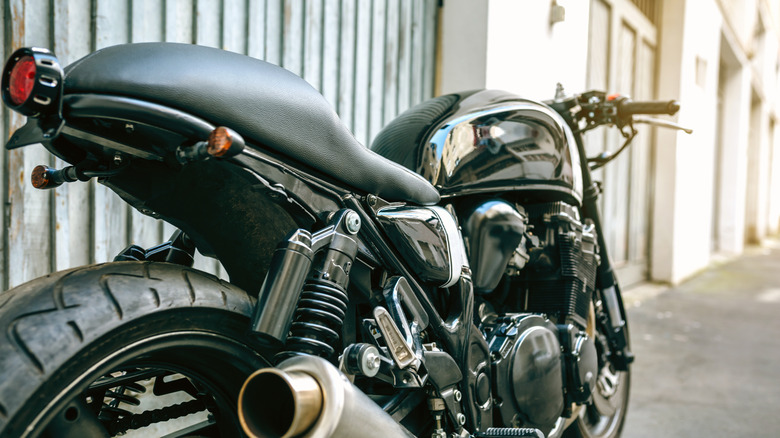
A seat is easy to file under comfort and move on, but a better one can also change how securely you sit on the bike and how well you can move around on it. Aftermarket seats can use different foam, gel, contouring, lumbar support, and grippier materials to reduce pressure while keeping the rider more firmly in place. That matters when you are trying to stay comfortable for another 100 miles, but it also matters when you are braking hard, accelerating, or shifting your weight through a corner. A seat that constantly lets you slide around is asking your arms and legs to do extra work just to keep you where you meant to be in the first place. A supportive seat can take some of that nonsense out of the equation.
You're looking for support where you need it, enough grip to keep you planted, and a shape that still lets you move when the riding calls for it. Some touring-oriented seats are explicitly designed around both long-distance support and holding the rider in place during more aggressive riding, which is the exact kind of balance between performance and comfort that we're talking about today. Your butt gets a better deal, and the rest of your body spends less time compensating for a seat that apparently wasn't designed with you in mind. Of course, if you happen to be shaped like the platonic biker ideal tacked up in the bike design studios, maybe the factory seat fits you perfectly.
Adjustable footpegs and foot controls
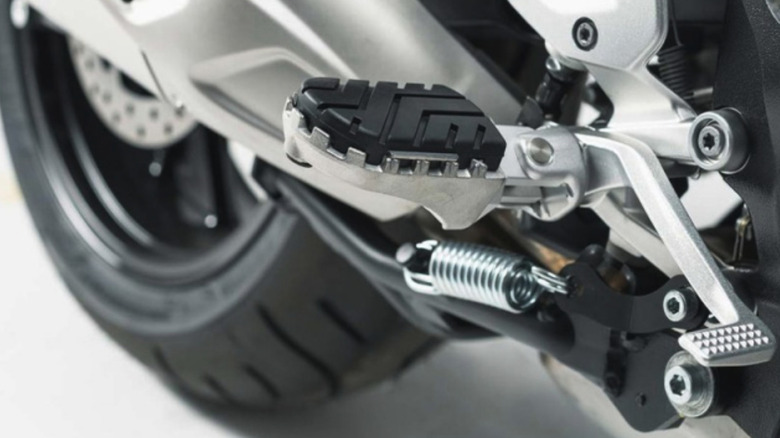
Your feet are doing more than just hanging out on either side of the bike, so it makes sense that giving them a better place to live can improve both comfort and control. Adjustable footpegs can move your feet up, down, forward, or back, while adjustable brake and shift levers can help keep the controls where your boots can actually reach them without awkward ankle gymnastics. That matters because footpeg and pedal position affect comfort, stability, and how easily you can operate the controls. A slightly lower peg can open up the knee angle on a long ride, while a grippier or better-positioned peg can give you a more secure platform when you are moving around on the bike or standing up over rough pavement. It is another case where the ergonomic fix and the performance fix can very easily be the same piece of hardware.
Even modestly adjustable street-oriented pegs can offer dozens of possible positions, and matching the brake pedal or shifter to your actual boot and riding position can make those controls easier to use. Of course, this is another category where it is possible to overdo things and turn a sensible ergonomic tweak into a riding position that looks cool parked outside a coffee shop and feels terrible 40 minutes later. The goal is not to contort yourself into a racer crouch. You can look cool for the 'gram in plenty of other ways without wrecking the errands you have to do tomorrow.
A properly sized windshield
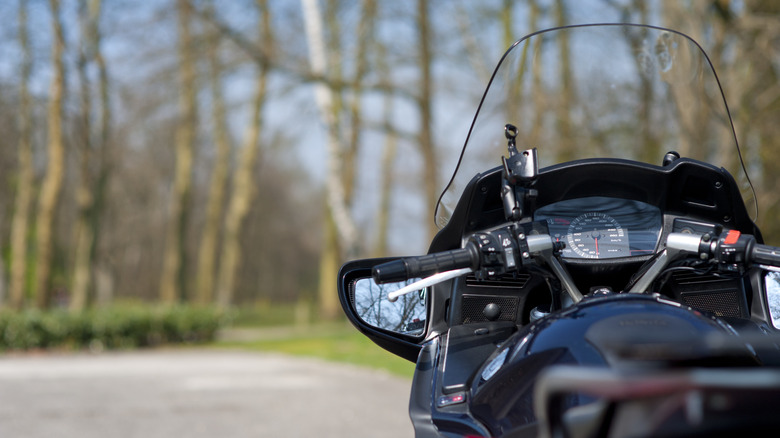
Whether you're genuinely experiencing riding conditions that leave your factory windscreen wanting or you just decide to put a new touring windshield on your BMW R1100GS because you can't leave anything alone, it's one of the easiest ways to make a bike more comfortable without doing much of anything to dull the experience, especially if you spend any real time at highway speeds. The basic job of a windshield is simple: reduce the amount of wind hitting the rider and protect them from debris. A good fit should move enough air around you to take the edge off without turning the front of the bike into a transparent wall. If that's the experience you're after, there are cars for that.
The sizing part matters because a windshield that is too tall can put more of the screen directly in your field of view, while proper fit is generally about keeping the top of the shield below your eyes so dirt and scratches are less likely to interfere with what you can see. Get that balance right and you can take some strain off your neck, shoulders, and upper body without giving up the visibility and openness that make riding a motorcycle feel like riding a motorcycle in the first place. That also pays off on the performance side in a fairly straightforward way: the less energy you spend hanging onto the bike and fighting the air at speed, the more attention and stamina you have left for actually riding it well.
A quickshifter
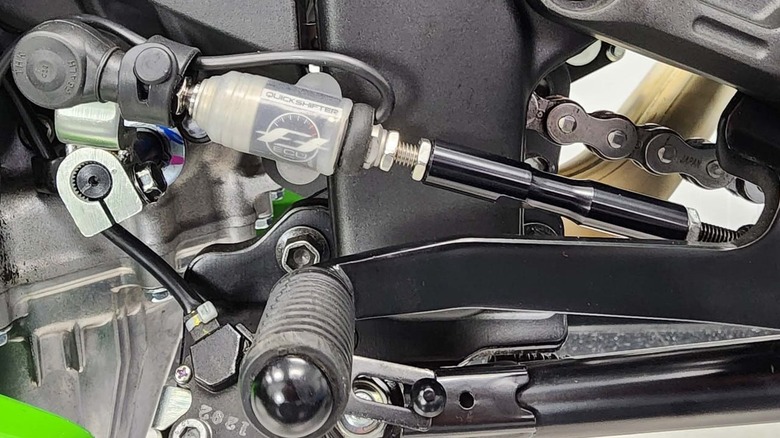
A quickshifter sounds like pure performance hardware, but it can make ordinary riding easier too. The basic idea is to let you change gears without using the clutch, and on bidirectional systems, that means clutchless gear changes on both upshifts and downshifts. On a fast road or during harder riding, that keeps the bike moving with less interruption and lets you spend less time coordinating throttle, clutch, and shift lever every time you grab another gear. On the comfort side, it simply removes one repetitive task from the process, which can be especially nice when you are shifting constantly.
That is really the whole appeal. You are not adding horsepower (notice how none of the mods we've discussed do that), but you are making it easier to use the power you already have and cutting down on the ankle choreography needed to keep the bike in the gear you want. When you're riding hard, that can make the whole machine feel sharper and more immediate. When you're just covering miles or dealing with traffic, it means fewer clutch pulls and one less thing demanding your left hand's attention over and over again. There is still some satisfaction in nailing a perfectly timed manual shift, and nobody is confiscating that from you. A quickshifter just gives you the option to let the bike handle part of the workload when you would rather focus on everything else going on around you. For an aftermarket part with such obvious go-fast credentials, that is a pretty sophisticated trick.
A street-friendly performance exhaust
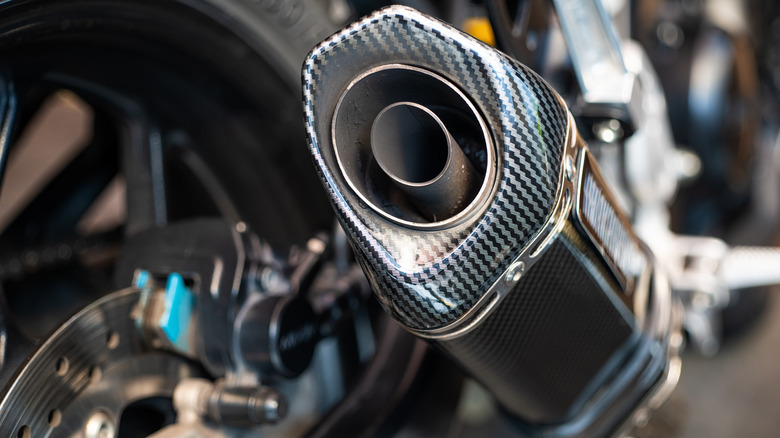
So far, we have managed to make a motorcycle more comfortable, easier to control, and quicker without actually adding horsepower. A well-designed aftermarket system can add a little horsepower and torque while also dropping some weight, although exactly how much you get depends heavily on the bike and the system. And there is, of course, a huge difference between a thoughtfully engineered street exhaust and replacing the muffler with something that exists primarily to make everyone painfully aware that you have arrived.
That distinction matters because louder is not automatically faster, and the ideal outcome here is a bike that feels a little sharper, maybe sheds a few pounds, and sounds better without making every highway ride an endurance test for your ears. The broader point applies to the whole list, really. Good modification is not about pushing every available slider as far as it will go. It's about deciding what you want the motorcycle to do better and choosing mods that nudge it in that direction without making everything else worse. If you can finish with a bike that is faster when you ask for it, easier to ride when you don't, and still pleasant enough that you actually want to take the long way home, you have probably nailed it.