

Why Cheap Engine Oil Filters Could End Up Costing You Dearly
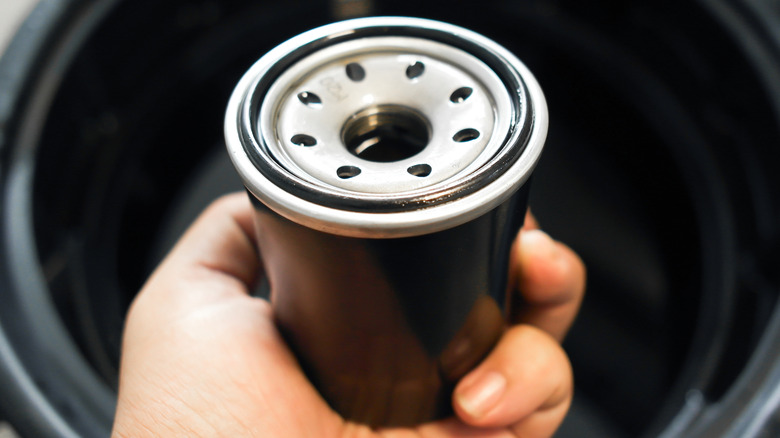
As the name suggests, an oil filter removes impurities like dirt and metal flakes from your engine oil. Clean oil circulation means no hitches in lubrication and lower heat buildup due to friction, protecting the engine from excessive wear. Changing the oil filter is part of your car's routine maintenance, and should be performed every time you change the engine oil. While the task seems relatively straightforward, paying attention to the type of oil filter you install is very important to preserving the life of your engine.
Cheap and premium oil filters look almost identical from the outside — a metal can with several holes on top. Inside is where you'll find the most crucial differences between the two, particularly in the filter media, valves, and overall construction. A high-quality oil filter effectively removes the fine contaminants that circulate through the oil, withstands heat, pressure, and other stresses throughout the oil-change interval without its internal components deteriorating, and helps ensure that the engine is consistently fed with oil and doesn't run dry.
Using a cheap oil filter will be easier on the pocket compared to a premium one, but it also stands the risk of causing oil leaks, contamination, overheating, and more in your engine, culminating into a potentially huge repair bill. Understanding the differences between a cheap and premium oil filter can explain why spending a bit more on a reputable filter may be worthwhile.
Filter media and valves make a big difference
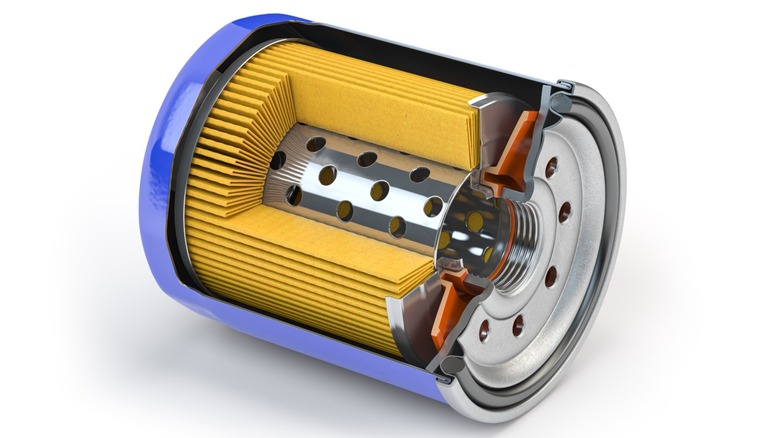
Oil filters primarily use cellulose, synthetic, or microglass media. Cellulose (or paper) media is manufactured from wood pulp, making it inexpensive and able to provide adequate filtration. However, synthetic and microglass filter media can trap much smaller particles than cellulose media can, giving them greater dirt-holding capacities, oil flow rates, and longevity.
Filter efficiency is also an important specification to look at. It measures the filter's ability to collect and retain particles of a certain size. For instance, a filter with an efficiency of 99% at 20 microns can trap 99% of particles that are 20 microns in size (0.0008 inches, for perspective). Since the oil filter media is so important, you shouldn't skimp on quality here.
The oil filter's two valves are crucial, too. The anti-drainback valve holds some oil in the filter to immediately dispatch to the engine after cold starts, as the lubrication system takes a few seconds to build the pressure needed for circulation. In premium oil filters designed for extended oil change intervals, the anti-drainback valve is usually made from silicone. Cheap oil filters have nitrile rubber anti-drainback valves designed for normal oil change intervals, meaning you'd have to replace them on time.
Meanwhile, the bypass valve allows oil to flow out of the filter without passing through the media. This helps prevent the engine from being starved of oil if the filter is clogged or the oil is too cold to flow at the required rate. Cheap filters can have poorly molded bypass valves made of plastic (premium filters come with more durable spring-loaded steel valves), which can lead to unfiltered oil accidentally escaping the filter.
Check for a sturdy build
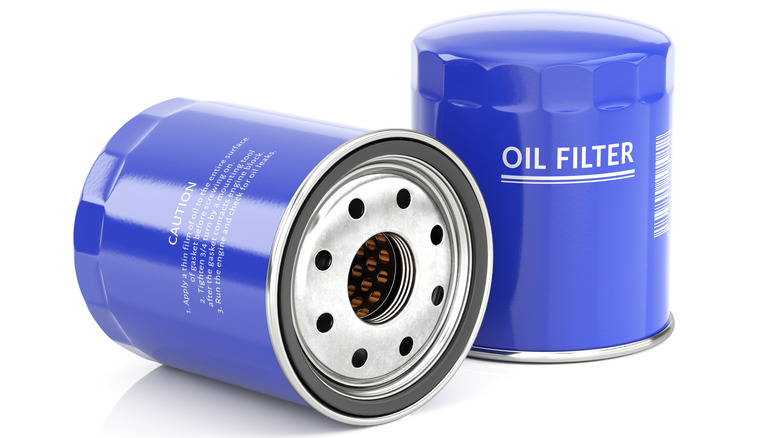
In addition to the valves and media, the construction of a conventional spin-on oil filter comprises a base plate (also known as end caps) that features holes for entry and exit of the oil, a center tube that supports the filter against pressure, a canister that serves as a protective enclosure for the media, and a gasket that seals the space between the filter and engine.
Cheap filters can use lighter, lower-quality materials for their components, making them less likely to survive the heat, pressure, vibrations, and shocks that they experience before the oil change interval. A high-quality oil filter should ideally feel hefty when you hold it. Speaking of which, premium oil filters typically use steel or cellulose for their end caps, corrugated steel for the center tube, silicone for the gaskets, and steel or aluminium for the canister. These make for a much more durable oil filter that costs more, of course, but gives you that all-important peace of mind.
That said, not every cheap filter is bad and not every expensive filter is automatically better. Aftermarket oil filters from reputable brands like K&N, Denso, Mobil 1, and Bosch can perform better than manufacturer-made filters for specific applications, like performance or extended oil change intervals. The only thing you should really avoid is buying an unbranded or poorly documented filter simply because it's the cheapest option.