

Here's How Much A 2021 Volvo XC90 Recharge Has Depreciated In 5 Years
We may receive a commission on purchases made from links.
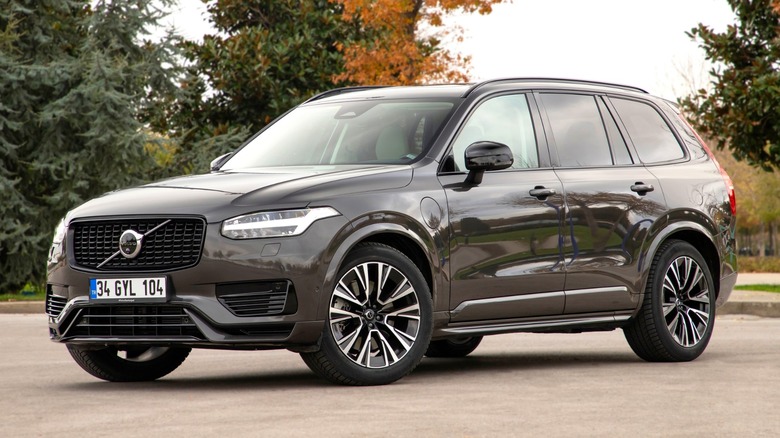
The 2021 model year brought a new name to Volvo's XC90. The T8 Twin Engine became Recharge, but it was still built around a turbocharged and supercharged 2.0-liter four-cylinder paired with an electric motor for a combined 400 horsepower. The brand offered three Recharge trims that year — Inscription Expression, R-Design, and Inscription — with sticker prices running from around $64,545 to $70,845 before options. Volvo has since given the XC90 a mid-cycle refresh in 2024, bumping the plug-in hybrid's output to 455 hp and swapping in an 11.2-inch touchscreen — but none of that changes what an original 2021 Recharge still offers today. Five years on, Kelley Blue Book (KBB) lists current asking prices for those same three trims between $27,800 and $28,700 — a drop of $35,845 to $42,645, depending on trim, or roughly 56% to 60% of the original sticker.
iSeeCars' plug-in-hybrid-specific study of the XC90, which isn't split out by model year, puts the model's five-year depreciation at 57.5%, translating to a $32,420 average resale value and a $43,780 loss — slightly better than the 60.8% average for the luxury hybrid large SUV class. Meanwhile, CarEdge, working from a $60,220 new price for the 2021 model, estimates a smaller 50.3% five-year loss, landing at a $29,917 price today. Blend those three approaches together, and five-year depreciation on the Recharge lands right around 55%. In plain number terms, this represents a loss of approximately $37,500 on a $68,500 average sticker price when new. The question is, does that make a used 2021 XC90 Recharge a smart buy today?
Why did the 2021 XC90 Recharge lose so much value?
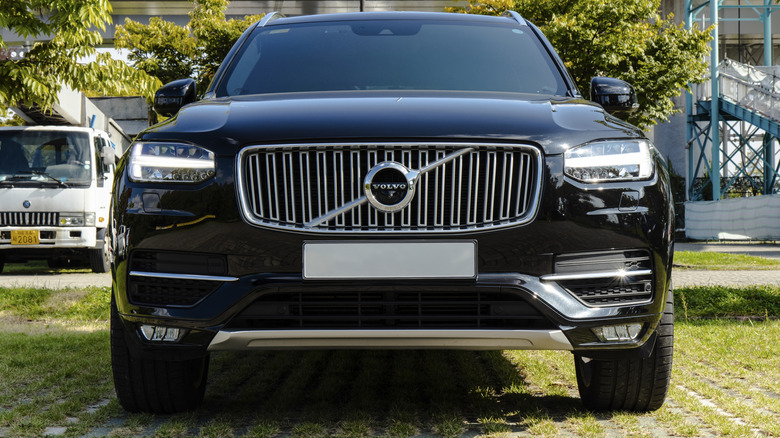
PHEVs in the luxury segment don't necessarily depreciate at a dramatically different rate than their gas-only counterparts — the real problem is the price tag they carry into the used market. KBB has the gas-only T6 Inscription losing 60.1% of its $64,345 sticker — almost identical to the Inscription Recharge's 60.2% loss on its $70,845 sticker. Despite the same depreciation rate, the Recharge started exactly $6,500 higher, so the value loss lands higher every time as well. That gap widens once a buyer factors in what they're actually inheriting. "Used buyers are much more bottom-line practical," iSeeCars executive analyst Karl Brauer told AAA, and it is not often easy to buy a used hybrid without expensive surprises.
An 18-mile electric-only range and a 2.5-to-six-hour charge time, per KBB, add a layer of mechanical complexity that gets harder to justify once the factory warranty runs out. The decline also isn't gradual. CarEdge's year-by-year breakdown for the current XC90 lineup shows the model retaining 63.2% of its value at three years old, before suddenly dropping to 49.7% at four — a 13.5-point swing in a single year. That cliff arrives on top of an already higher purchase price, which is why the raw dollars lost look so much worse than the percentage alone suggests. Lastly, the XC90 is a luxury mid-size SUV, and these premium SUVs are generally known to shed value quicker than most cars on the market. Factor in Consumer Reports' assessment that the 2021 XC90 has only about average reliability, and the value loss becomes easier to understand.
Is a used 2021 XC90 Recharge worth it now?
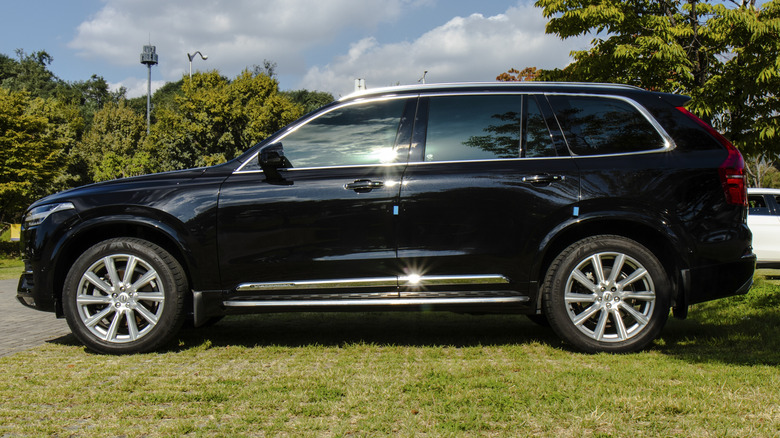
The math looks more forgiving once someone else has already absorbed the steepest years of the XC90's depreciation curve. CarEdge actually flags the 2021 XC90 as one of the better-value model years — in the same tier as the 2023 and behind only the top-ranked 2024 — and estimates that insuring one runs about $2,571 a year — a cost worth budgeting for on top of the purchase price. Owners in KBB's consumer reviews rate the second-generation XC90 4 out of 5 for reliability, with 68% of the 48 owners who rated it saying they'd recommend it — reassurance that matters when buying a used plug-in hybrid without a warranty. The caution is in what's still ahead. Edmunds' True Cost to Own tool projects that even a newer Recharge T8 Plus, already two years removed from new, will shed another $29,448 in value over its next five years of ownership.
Anyone cross-shopping a used 2021 Recharge against rivals like the BMW X5, Mercedes-Benz GLE-Class, or Audi Q7 — which are the three recent Top Safety Pick+ winners according to the IIHS — should also budget for battery-related repairs once the 4-year/50,000-mile factory warranty has expired. Ultimately, the biggest dollar hit is already behind a five-year-old XC90, and someone else has absorbed the worst of it. The decline doesn't stop at year six, and that doesn't erase the real risks of buying a used plug-in hybrid without a warranty, but the timing works in a buyer's favor more than it doesn't.