

Rules May Vary, But Driving Without A Bumper Is Always A Bad Idea
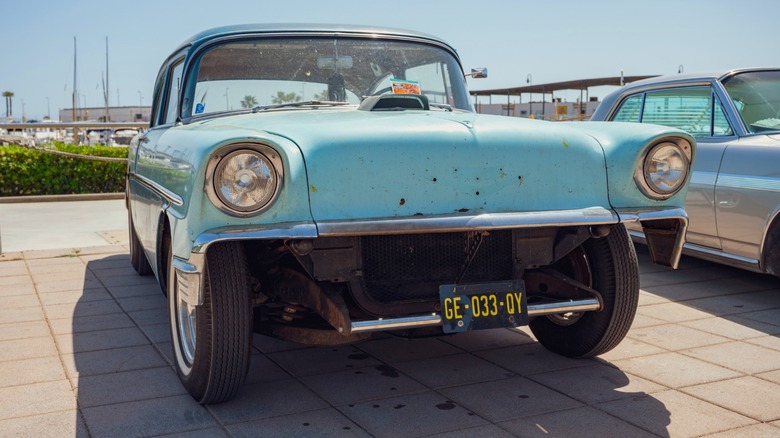
There are many things one can do while piloting an automobile, but shouldn't. Every feature on a car is intentional, and if it's compromised in any way, it could spell trouble for its occupants, other motorists, or pedestrians and cyclists. For example, driving around with a baby giraffe in your front passenger seat with its head sticking out of the sunroof may garner deep social media clout and provide a moment to look back on with affinity in one's sunset years, but it could pose a real safety risk — and not just for the giraffe.
However, there's one bizarre trend that's more prevalent in daily life, which, at first, might seem harmless: going bumperless. But why is driving without a bumper always a bad idea? It all comes down to protecting the vehicle's crucial mechanical systems, improving its crash safety, as well as ensuring the safety of other motorists, pedestrians, and cyclists on the road. We can't forget about legality, either. Depending on the state you reside in, there are rules on the books that make rolling without a bumper (or a factory-spec bumper) illegal. Here's why these are so important.
Bumper covers protect critical car components
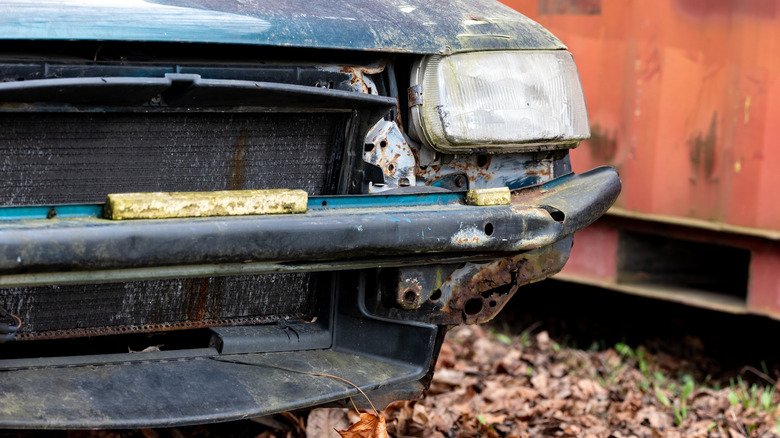
When we say bumper, we mean either the sturdy bumper beam or the bumper cover — that bit of plastic that covers the front and rear end of the car. First off, the plastic bumper cover protects cooling components — intercooler, air conditioning condenser, radiator, oil cooler, etc. — and removing it introduces a variety of hazards. We're talkin' rocks, pebbles, any form of road debris, and, heck, even road salt that could cause corrosion underneath. Depending on the bumper/grille design, they may even protect the headlights, such as in the case of the Jeep Wrangler, which many people call a truck.
If any of those components are punctured, it could lead to a very bad day, like coolant that's spraying out of a destroyed radiator – which isn't just increasing the engine's temperature, but also adding slickness to the road surface — or boost that's escaping from an intercooler, leading to the car not running as it should. If there's an oil cooler (or coolers) present behind the bumper, a puncture means liquid gold is pouring out, causing the engine to run without oil and setting the scene for catastrophic damage. This stuff's obviously quite slick, too, and it could either end up on your or other cars' tires, causing a loss of traction and a potentially life-threatening situation.
Going bumperless is a massive safety risk for everyone
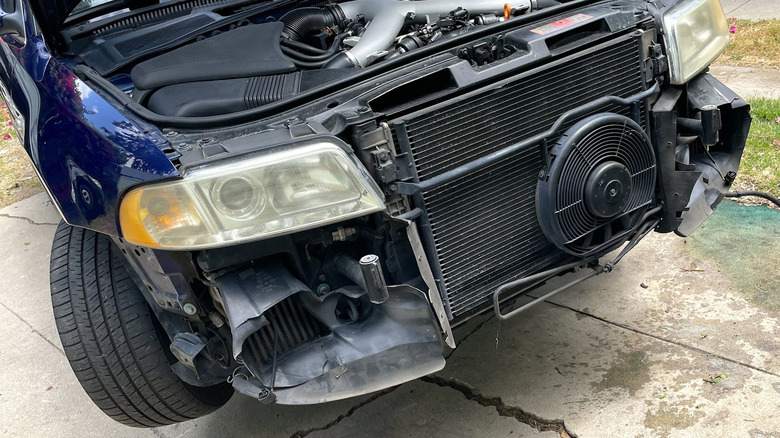
Then, there's the fact that the bumper beams themselves — meaning, the actual structural components made out of metal or strong composite — provide, well, structural support to the chassis. Meanwhile, energy absorbers between the bumper beam and the plastic bumper itself help it take on the lion's share of impact absorption. A head-on collision without any of these could cause gnarly damage to the chassis and all components underneath. Goodbye, frame rails.
Having no bumper and/or bumper cover could cause unnecessary harm to other motorists and whatever else you encounter on the road, too. A light tap when a bumper cover is present may only produce a light scrape on either your or the other driver's bumper (or both). No cover? A lot more than just a scrape. Including damaging mechanical components, which echoes our previous point. Whatever's first on the scene "gets it," so to speak. Plus, bumper covers are designed with pedestrian safety in mind, cushioning the impact to limit injury — and so are hoods, but that's a story for another day. Sure, the Tesla Cybertruck may have sharp edges that have sent someone to the ER, but at least it has actual bumpers for head-on hits. Finally, there's the legality aspect. Depending on the state, driving without bumpers can be illegal. In some states, factory bumpers must always be in place, so do a little research if you happen to need to carefully drive without bumpers — but please don't in the first place.