

The Pros And Cons Of Using A Car Cover
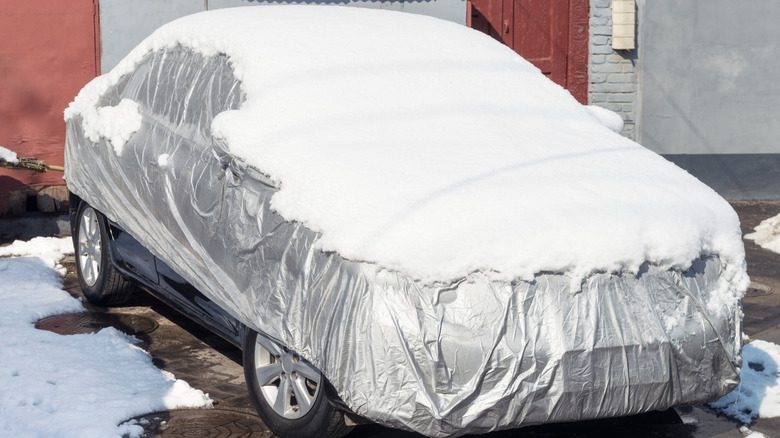
A car cover seems like one of the simplest ways in which to protect a vehicle, shielding it from prying eyes and environmental damage. Regardless of whether a car spends its life on the driveway or hidden away in a garage, there are covers out there designed for every imaginable scenario. However, deciding on whether to use one or not isn't straightforward.
Sure, a high-quality cover can definitely help to protect a vehicle against a whole host of unusual things that could be ruining its paintwork, such as UV damage, bird droppings, and tree sap. But it can also create problems if it's poorly fitted or is not effectively breathable. Trapped moisture and dirt can turn a well-meaning purchase into something that causes damage rather than preventing it. Wind can be just as troublesome, too, as it might drag your cover against your car all on its own.
Such problems can be largely avoided simply by picking the right product. This decision depends on where the vehicle is stored, how often it will be driven, and what sort of weather it will be expected to endure. Selecting a cover wisely and using it correctly can be highly effective, but each cover varies in terms of its construction and materials used. It's a purchase to consider carefully, and it's essential to understand both sides of the for-and-against argument before deciding whether to invest in one.
Advantages of using a car cover
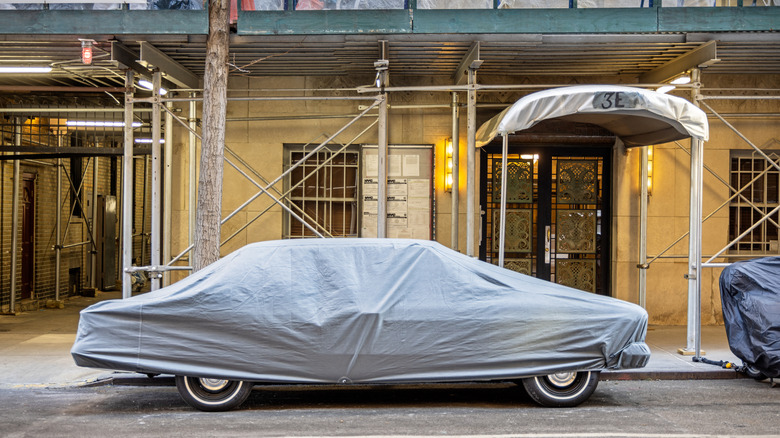
Perhaps the clearest advantage of using a car cover is the protection it provides against environmental damage. The sun's UV rays can degrade paint, and similar damage can also be caused to plastic trim pieces and rubber seals. An outdoor cover could block out much of that radiation, helping to preserve exterior surfaces. Such covers also provide a useful physical barrier against paint-damaging contaminants, such as bird droppings, dirt, and tree sap. Applying a cover removes the risk of those contaminants causing damage and makes it so you don't have to clean your vehicle as often.
Weather, too, can prove problematic for a car's exterior finish. While a mild and cloudy day will do little to tarnish a vehicle, rain, snow, frost, and hail could certainly invite imperfections. Covers will obviously protect against all of those, but a breathable cover will also allow moisture to escape. In other words, if some stray raindrops find their way under the cover and to your car, they'll evaporate instead of being trapped against the paint. Indoor covers provide similar protection, primarily when it comes to dust accumulation.
Lastly, a covered vehicle is likely to be less of a temptation to vandals and opportunistic thieves. The vehicle's type, condition, and specifications will be concealed, as well as any valuables that may sit inside it it. A cover isn't exactly a security device on its own, but it does add an extra step of protection and can act as a modest theft deterrent – best used alongside other effective anti-theft measures.
Disadvantages of using a car cover
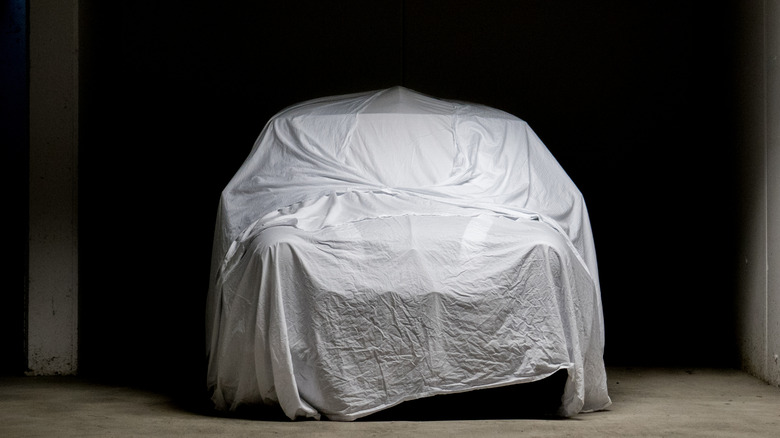
While the benefits are clear, there are disadvantages associated with using a car cover that must also be considered. The most unfortunate issue occurs when a cover is fitted over a dirty vehicle. Dust, grit, and other abrasive particles become trapped between the fabric and paint. When the cover moves — either via fitment, removal, or flapping in the wind — fine scratches are created in the paintwork as the fabric rubs those particles into the paint.
Another challenge comes in the way of moisture. If the car in question is already wet, or you're using a cover that can't adequately release moisture present underneath it, condensation can build up. This might promote corrosion on metal components, the formation of microblisters, or mold growth on soft-tops and interior fabrics.
You also need to focus on getting everything fit properly. A loose cover will flap in the wind, slapping against the paintwork repeatedly, while one that's too tight might place unnecessary strain on the chassis. Plus, much like cars themselves, covers are not maintenance-free. Car covers require cleaning to reduce mold, dirt, dust build-up. It's also worth noting that some might find repeated application and removal of a cover to become frustratingly tiresome, so they perhaps aren't best-suited for a car you're using daily.