

Pros And Cons Of Aftermarket Dash Cams Vs. Built-In Camera Systems

You can call the dash cam a path-breaking tool for commuting: Suddenly, we can all record our daily commutes, documenting everything from road rage to meteors streaking across the sky. For over a decade, the aftermarket was the only place to get a proper dash cam. If you wanted to document your ride, you stuck a plastic pod to your windshield, ran a messy wire down the A-pillar, and plugged it into the cigarette lighter. But the automotive industry hates letting third-party companies make money off your lifestyle choices. Walk into a car showroom today, and chances are, you'll notice the cameras are already there — whether they're tucked behind the rearview mirror, embedded in the trunk lid, or peeking out of the front grille. Automakers are increasingly leveraging the digital eyes meant for lane-keep assist and automated emergency braking to pull double duty as integrated drive recorders.
It feels like a done deal. Why would anyone spend Sunday afternoon tucking wires into a rubber weatherstrip when the manufacturer has baked a multi-camera surveillance grid right into the windshield? As it turns out, the choice between an integrated OEM system and a trusty aftermarket camera isn't as simple as checking an options box. There is a massive gulf between corporate convenience and actual, usable security.
Pros of built-in camera systems
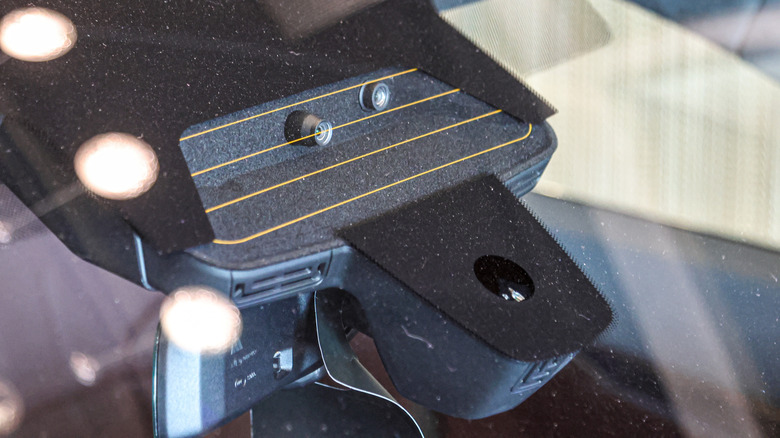
Let's be honest. The primary reason most people buy a vehicle with a built-in dash cam is pure convenience. It's satisfying to know that you don't have to think about buying a separate electronic device, comparing specs on Amazon, or reading an instruction manual translated poorly from another language — the camera is just there, like heated seats and the steering wheel. From an aesthetic standpoint, factory dash cam systems win by a landslide. Take the Toyota Integrated Dash Cam, for example: There are no dangling cords across the dashboard, no auxiliary power splitters taking up space in your center console, and no suction cups losing their grip during a July heatwave and crashing into your center console. It's an actual part of the car.
This deep level of integration also offers significant security advantages over aftermarket pods. If a car thief breaks your window to steal something, the glass-mounted aftermarket dashcam is a prime target -– they can simply yank it off the mount, cut the wire, and walk away. A factory-installed camera system is built straight into the car's body panels or mirror assemblies. A thief can't just rip it down without a set of trim tools, patience, and a wiring schematic. It stays behind, and it usually keeps recording. Furthermore, since these systems are factory equipment or dealer-installed accessories, they are fully covered under the car's original warranty. If it stops working, you drive it straight to the dealer instead of spending hours troubleshooting firmware updates or calling an overseas customer service line.
Cons of built-in camera systems
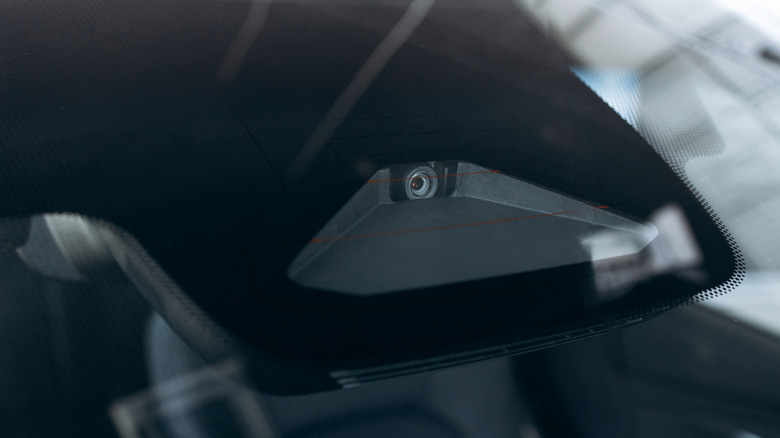
While the convenience of a built-in camera system is alluring, the reality of automotive development cycles reveals cracks in the strategy. Automakers are notoriously slow at updating electronic hardware. A car designed in 2022 might hit the market as a 2024 model and stay in production until 2029. That means the camera sensors and features inside a brand new vehicle could easily be 5 to 7 years old. According to community analysis on DashCamTalk, even sophisticated factory setups like the newest Toyota drive recorders are frequently capped at 1080p resolution at 30 or 60 frames per second. While a 1080p sensor can easily capture the color of a car that hit you, it can struggle to record high-speed details like number plate characters in low light conditions, and having a good-quality dashcam can help you with your insurance claim.
On many modern premium vehicles, the built-in dashcam is deeply integrated into the advanced driver assistance systems like ADAS. If that lens assembly fails, it can disable your Adaptive Cruise Control, automatic braking, and lane-keeping assistance. Replacing an ADAS-integrated factory dashcam can be an expensive affair. Some companies also treat their Drive Recorder as a connected service, such as BMW, which charges owners an annual subscription fee for the feature.
Pros of aftermarket dashcams
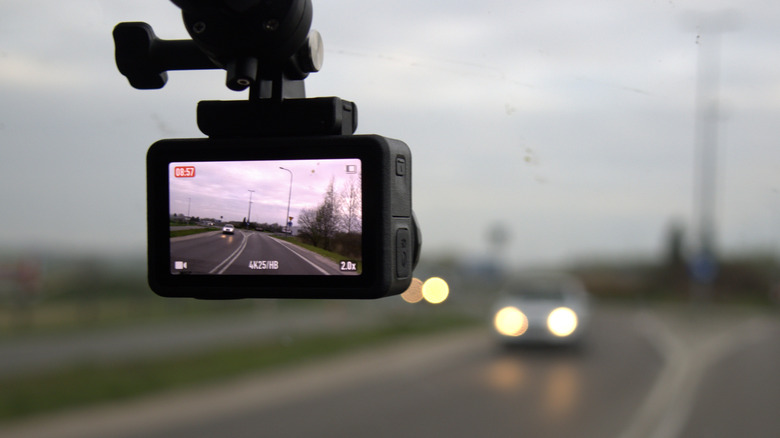
The aftermarket dashcam ecosystem isn't dying; it's thriving. The reason is simple: Third-party manufacturers do not have to worry about building an entire car. They can focus 100% of their engineering budget on camera quality, night vision, and fast data processing. This performance gap between aftermarket units and factory systems is staggering. While car dealerships still sell 1080p setups, premium aftermarket brands deliver true 4K resolution units utilizing advanced hardware like Sony's Starvis 2 sensors. These sensors are specifically engineered to pull incredible levels of detail in darkness, balancing high-contrast scenes like a dark alleyway illuminated by harsh LED headlights. They feature multi-exposure High Dynamic Range (HDR), which ensures that if someone clips your front bumper at speed, you capture a crisp, readable license plate image.
Storage capacity is another landslide victory for the aftermarket. A high-end aftermarket dashcam can easily support 512GB microSD cards, and even Solid State Drives (SSDs), allowing you to record days of continuous high-bitrate video before the loop recording begins, overwriting older files. Most importantly, aftermarket dashcams give you modular flexibility. You can configure a multichannel setup that matches your specific driving environment. If you drive a rideshare or tow a large trailer, you can run three-channel setups, with the third one pointing into the cabin or mounted onto the trailer. If you buy a new car, you can remove the old setup and reinstall it easily in your new car. If you are planning to get one, Consumer Reports suggests you avoid cheap Amazon dashcams and look at these better options instead.
Cons of aftermarket dashcams
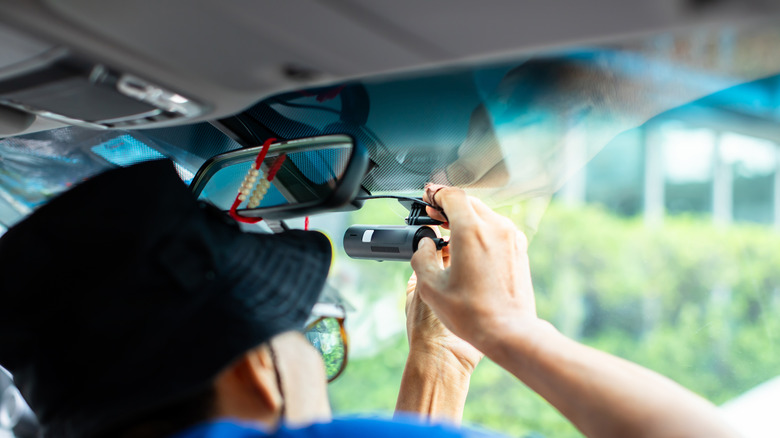
The aftermarket dashcam also has its set of cons, and this goes beyond messy wires and being a thief's target. Installing an aftermarket dashcam is often a job better left to professionals. You aren't just slapping a camera onto the windshield — you are routing power lines around side-curtain airbags, tucking wires under weatherstripping, and trying to snake cables all the way to the rear hatch through rubber conduits that never want to cooperate. One wrong move, and you've snapped an expensive plastic retaining clip, leaving you with a permanent, annoying interior rattle that will drive you crazy for the next five years.
Then there is the dreaded battery drain issue. Unlike an OEM system that communicates directly with the car's native power management module, an aftermarket camera is an uninvited guest in your car's electrical system. If you want to use its advanced "parking mode" features, you have to hardwire it to the fuse box. And if the low-voltage cutoff switch on your aftermarket hardware fails — or if you set it incorrectly – the camera will happily sip power until your vehicle's battery is completely dead, which will usually take one to two days.
Aftermarket dashcams spend 100% of their lives glued to one of the hottest areas of your car — the glass windshield, baking under direct sunlight. Cheap units that use cheap lithium-ion batteries instead of supercapacitors can literally swell, crack, and fail when temperatures inside the cabin cross 130 degrees Fahrenheit. Even if the camera survives, the intense heat combined with the constant, high-bitrate cycle of 4K recording places immense stress on the microSD card. If you don't buy an expensive, industrial-grade "high endurance" card, the camera could quietly fry the storage media, and you won't even know it's conked off.