

How Bridgestone Tires Got Its Name From A Japanese Founder's Surname Flip
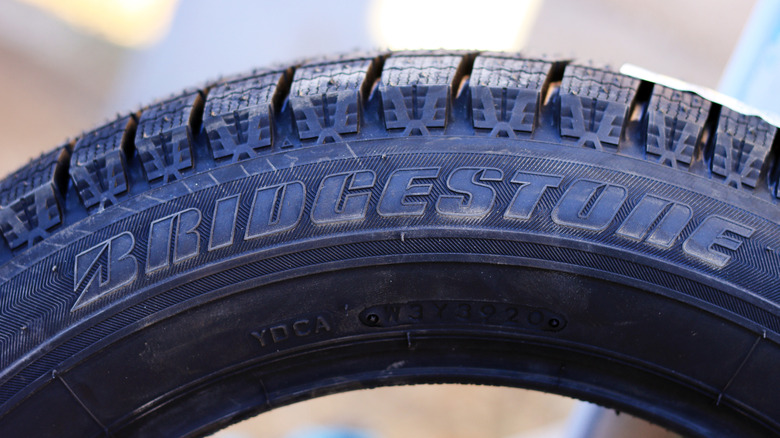
Unless you're Japanese, a car nerd, or simply really into industrial trivia, you probably didn't know, nor would've guessed, that Bridgestone is a Japanese company. Yokohama, Toyo, Sumitomo, Nitto: Those are clearly Japanese brands with Japanese names. However — prepare to be shocked for the second time — Bridgestone is, also a Japanese name. Well, sort of.
It all started with founder Shojiro Ishibashi, who at the age of 17 took over his family's tailoring business that specialized in Japanese Tabi socks. These are socks that separate the big toe from the other toes, allowing it to be worn with traditional Japanese zori sandals or, essentially, flip-flops. Ishibashi attached rubber soles to these socks, leading to the company becoming a rubber expert and eventually producing tires for Japan's emerging auto industry by 1930. Like many entrepreneurs, Ishibashi decided to name his new company using his own surname.
Ishi bashi = stone bridge
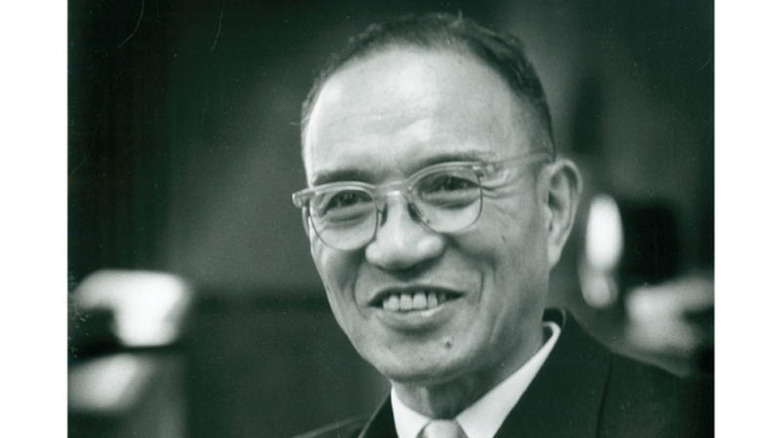
Instead of simply going for Ishibashi Tires or something like that, he opted to give the company an English name, to, as one might have already guessed, give it an easier go selling in foreign markets. "Ishi," literally translated, is Japanese for stone, while "bashi" means bridge. The reason he flipped the two words that make up his surname is almost comically simple: He simply did not like the sound of "Stonebridge," and hence, Bridgestone Tire Co. was founded in 1931.
Bridgestone's tire expertise grew as it detoured into producing tires for the country's military vehicles during WWII, and as Japan's car industry took over the world in the years that followed — every car needs at least four tires, after all. In those later years, it took advantage of its very un-Japanese name and expanded to the west, culminating in it acquiring Firestone in 1988 – an American company founded in 1900 and the original tire supplier for Ford (which you'll never see on a Ford again) when it brought out the Model T. Not a bad get for a former sock maker who made one smart branding call almost 100 years ago. No one can know for sure, of course, but something tells me things would've been different if the company had been called Ishibashi Tires instead.