

The True Cost Of Car Ownership Can Be A Big Reality Check
Owning a car ain't cheap. Understatement of the century, right? At the very least, it's a runner-up for understatement of the decade and gives an obligatory side-hug to the victorious understatement. But, even with the inevitable "duh" to follow a statement like that, the data suggests that owning a car isn't just expensive – it's surprisingly so for drivers nationwide.
The car-buying landscape isn't exactly great these days. The average transaction price, meaning how much it costs a consumer to take home a new car, is dangerously flirtatious with that ugly $50,000 mark. Mind you, the average price of a used car is substantially lower at $26,000. But that's still considerably steeper than the average used car of yesteryear. A decade ago, the average price of a used car was closer to $19,000.
Those increases in upfront cost are before you factor in the cost of ownership. You might have an idea of how much things like full-coverage auto insurance, gasoline, maintenance, and tax costs after all is said and done, but the reality is sobering. Perhaps worse than that, the rising cost of vehicle ownership might differ based on where you live. In fact, residents of certain states pay nearly twice as much in "hidden" car ownership expenses as those in other parts.
It costs more to keep your car on the road than you might think

If your commute is consistent, you keep an eye on your fuel consumption, and you keep records of your regular maintenance, you might have a mental tally of how much it costs to keep your ride-or-die daily driver on the road. At least, you might think you do. The data suggests otherwise, though.
A survey conducted by financial services company Synchrony reports that drivers might be underestimating their car ownership costs by over $4,500. Synchrony's data finds that, beyond the costs of loans or leasing agreements, drivers' estimates for annual ownership expenses were an average of $2,738. The reality, however, is far from that (arguably) reasonable figure. The survey reports that the real costs were closer to $7,303, with figures even higher for younger motorists.
That's an eye-watering 167% higher than the average owner anticipated. Of note, the highest underestimated expenses were gas, insurance, and maintenance. Fuel costs unsuspecting motorists around $1,956 per year, while insurance typically totaled $1,730 in the same timeframe.
According to Bankrate, the expenses for a gas-powered vehicle are closer to $6,894 per year, or just shy of $575 per month. If that wasn't enough to make you consider commuting on a bicycle, the number represents a 3.1% jump over the previous year. Like Synchrony's data, Bankrate data says that full coverage car insurance was the highest hidden expense for car owners. At the national level, bumper-to-bumper coverage demanded $2,679 per year. Ouch. It's the sort of thing that prompts desperate drivers to cut or drop car insurance altogether. Considering the average median household income in the country is about $90,000, keeping a car running at $7,303 a year will account for just over 8% of the typical household's annual earnings.
Extra costs on the coasts and in the South
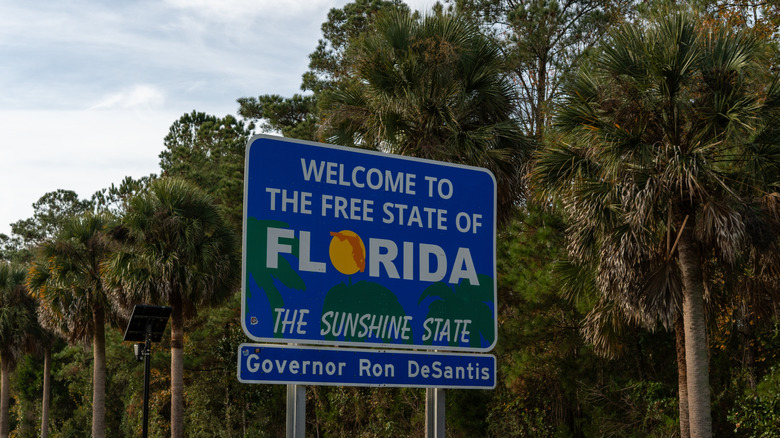
The sheer costs of ownership might be enough to break your heart (and your wallet) wide open. But check this out: how much you spend beyond your anticipated ownership costs also depends on where you live. For instance, the average Floridian may unknowingly spend $8,483 to own and operate their car over the course of a year.
Louisiana and Georgia drivers also pay quite a bit more than expected, shelling out an annual average of $8,254 and $8,090, respectively. Perhaps unsurprisingly, drivers in California pay more in ownership costs than most other states, too. Specifically, Golden State motorists spend an average of $8,218 to keep their vehicles road-worthy every year. On the other hand, drivers in New Hampshire and Washington typically dole out $4,472 and $4,744 on a yearly basis — the two states with the lowest hidden cost of ownership. That means New Hampshire motorists spend around 52.7% of what Florida drivers do annually.