

Elon Musk Is A Trillionaire, And The Stock Market No Longer Matters
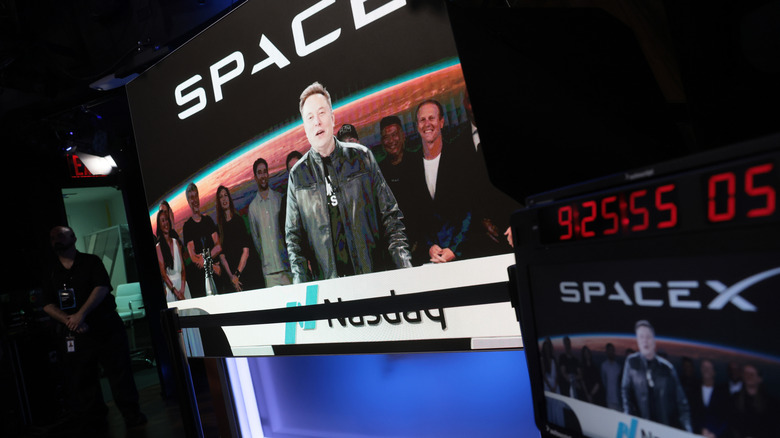
Elon Musk, CEO of Tesla and SpaceX, became the world's first trillionaire just after noon on Friday, June 12, putting his net worth higher than the GDP of nations like Taiwan, Sweden, and the United Arab Emirates, perhaps as concerning as what he'll do with this wealth is the way in which he "earned" it: The IPO of SpaceX, a company now worth over $1.75 trillion — despite not making any money.
An IPO, or initial public offering, is exactly what it says on the tin: The first time shares in a company are offered for sale to the public. There are a bit over 13 billion shares of SpaceX, and the company released just over half a billion of them out to the public market at $135 per share — a number that keeps climbing, having peaked over $176 per share at the time of this writing. The company is now worth $1.77 trillion, and that number is in no way backed up by the underlying company. Meme stocks are so 2025, now we're doing meme IPOs.
SpaceX isn't profitable
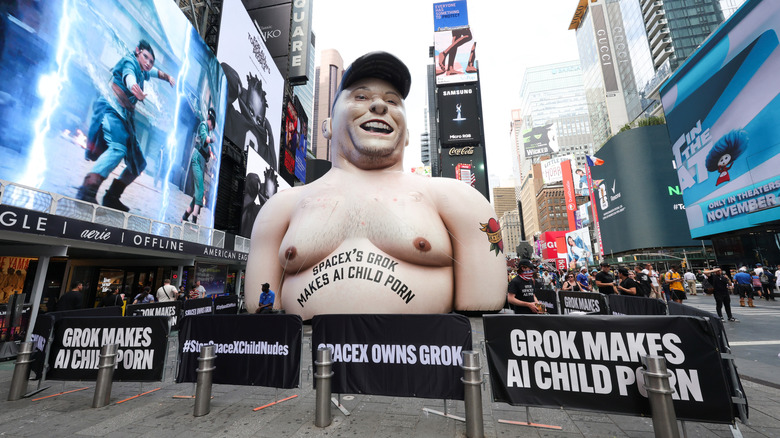
The funny thing is, the "space" part of SpaceX does actually make (some) money. Starlink, the company's satellite internet service, raked in over $7 billion in 2025. It's the "X" part, denoting Elon Musk's obsession with the strange, that brought the company down to a loss. xAI, the company Musk started to handle AI development (and remove the Twitter albatross from around his neck, at least on paper) before selling it off to SpaceX earlier this year, cost the latter company nearly $13 billion in capital expenditures last year alone. In total, SpaceX lost nearly $5 billion in 2025. Would you pay $1.77 trillion for a company that loses money?
Retail investors, ingrained in the Cult of Musk, certainly would. SpaceX stock has been traded nearly 400 million times since its IPO two hours ago — all that interest has driven the price up to the staggering heights we've seen today. Professional investors, meanwhile, are balking at the cost. Morningstar values the company at just $63 per share, over $100/share less than its current trading price. The sycophants are eating from Musk's hand, but the professionals are warning the treats may be poisoned.
A problem for all of us
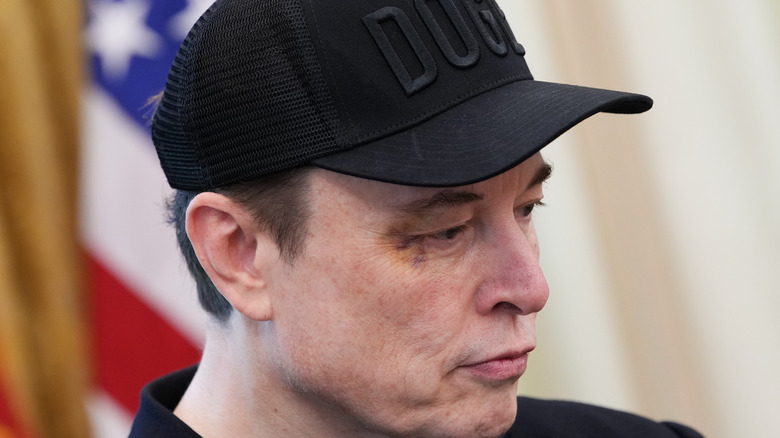
So why does it matter if Elon Musk makes a bunch of money on paper, when he can't even cash it all in? Well, for starters, lots of retail investors stand to lose a ton of money on this stock. I know, it's tough to feel bad for Tesla bros, but try your best. Retail investors aren't the only ones that stand to lose, though: Anyone whose retirement is wrapped up in the Nasdaq 100, a list of the top-performing companies on the exchange, is likely already a SpaceX shareholder. The Nasdaq changed its rules, after a request from Elon Musk, to allow SpaceX's immediate inclusion in the index — forcing folks with 401(k) plans to bet their life savings on Musk's latest whim.
Musk may not be able to sell off his SpaceX shares, but he can put them up as collateral for loans — essentially allowing him to spend the money without sacrificing the shares. That's how he (and other rich folks who store their net worths in the market) manage to throw around such seemingly impossible sums of money on efforts like backing far right political parties and purchasing social networks that allow hate speech. The SpaceX IPO gives Musk more collateral, more money, to throw at what he sees as problems.
Elon Musk is now worth $1,200,000,000,000. A minimum-wage earner in the U.S. needs to work nearly 80,000,000 years — eight hours a day, five days a week, 52 weeks per year — to earn that sum. Musk has on average accrued nearly $6,000,000, every day since his birth. He has unprecedented power, and has shown that it will go towards petulant, spiteful ends. Maybe this will be the thing that proves the stock market is wholly unmoored from the corporate financials it claims to represent, and is simply a way to measure rich peoples' economic vibes.