

900 Planes Grounded Due To Engine Shortage, Claims United CEO
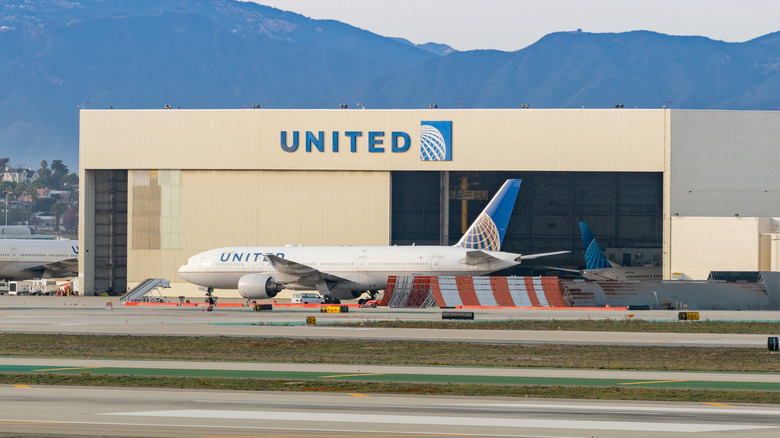
The world's airlines are struggling to cover the rising fuel costs caused by the U.S.-Israeli war against Iran. Carriers have been taking mitigating actions, from airfare increases to flight cancellations, but supply chain issues are further complicating the matter. At a business conference in New York last week, United Airlines CEO Scott Kirby, said that up to 900 planes worldwide were grounded due to an ongoing engine shortage. The lack of engines is also preventing the delivery of newer, more fuel-efficient aircraft.
Kirby was speaking at the Bernstein Annual Strategic Decisions Conference, and he wasn't optimistic that the industry's supply problems would be resolved soon. According to Reuters, the United CEO said, "There are not enough engines and they're not going to be for many, many years." CFM, Pratt & Whitney, and Rolls-Royce have been tackling reliability issues with their engines. These three major manufacturers produce powerplants for the Airbus A320neo, Boeing 737 Max and Boeing 787 Dreamliner.
The added costs that initially caused the lack of available engines are gradually stacking on top of each other. According to Simple Flying, airlines are cannibalizing engines off of younger airframes for parts to service older aircraft. These planes can't generate revenue without engines, but they also cost money to store long-term. Airbus and Boeing can't deliver new aircraft without available engines to replace older planes with worse fuel economy. Problems are simply creating new problems.
Airfare won't return to normal, even if fuel prices do
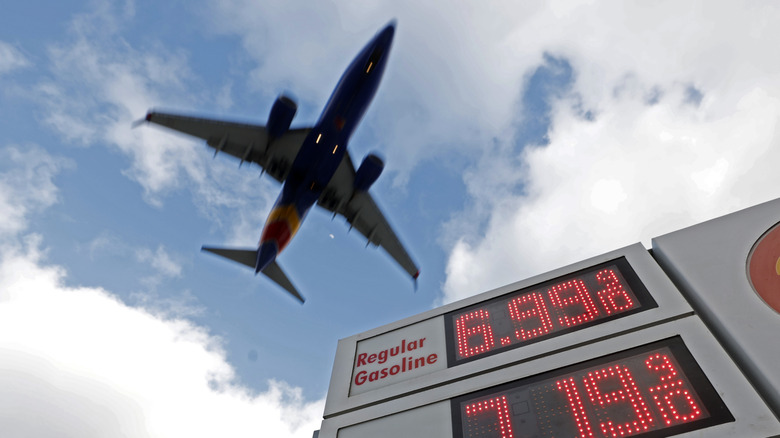
If airlines can't reduce their fuel costs, the next option is to just shift the burden to their customers. You would assume that more expensive tickets would reduce demand, but that hasn't been the case so far. Southwest CEO Bob Jordan painted a bleak picture for flyers at the same conference. He believes that the airlines will keep higher prices in place when fuel prices eventually decline, especially without Spirit Airlines around to put downward pressure on the market. According to Aviation Week, he said:
"The industry with fuel up has had seven consecutive fare increases since February 1. Southwest has participated in all of those. That's the most [consecutive fare increases] that I could remember in my 38 years in the industry. But with fares up that much there's been no drop off in demand at all, no indication that the consumer is elastic in this fare environment."
Rising fuel costs have also made industry consolidation a hot topic, something that Scott Kirby has also been outspoken about. The United CEO pitched President Donald Trump on merging his carrier with American Airlines to create the world's largest airline. Kirby had ambitions to create a U.S. carrier that was more competitive internationally. However, effectively monopolizing domestic air travel at a majority of regional airports wasn't something that Trump could even swallow.