

Here's What The 3-3-3 Road Trip Rule Means
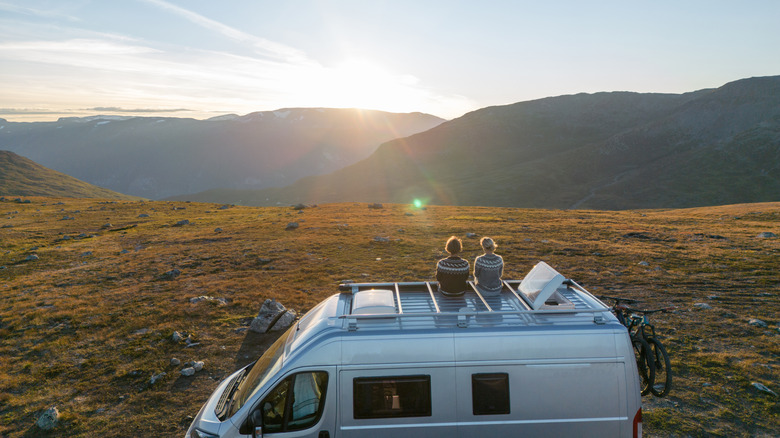
Summertime is here, and you're itching to hit the open road in your RV, camper, overlanding van, or your daily-driver with a rooftop tent equipped. The kids are out of school, and you want to take advantage of this country's natural beauty. You've been cooped up all winter, and this spring has been wet and gross, but now it's warm outside and you're ready to sleep out under the stars with the whole family. You've been on camping trips before, but they seemed hectic and rushed, so you want to calm this one down. Enter the three-three-three method.
If this is the first you're hearing of it, 3-3-3 is a way to turn your driving holiday into a slower-paced and more comfortable experience. It breaks down into three simple rules: Don't drive more than 300 miles in a day, arrive to your campsite no later than 3pm each day, and book your stay at each campground for at least three nights. Far too much of modern life is rushing from place to place, never taking in the sights or staying put. The triple-three way of life gives you an excuse to slow down and be present.
If you follow these three simple rules, it's possible that you'll not only find that you're enjoying yourself more, but your trip could be safer and even less expensive. When your trip is over, you probably won't have driven quite as many miles, but you'll have better memories, and you'll likely have enjoyed the trip more.
Drive fewer than 300 miles per day
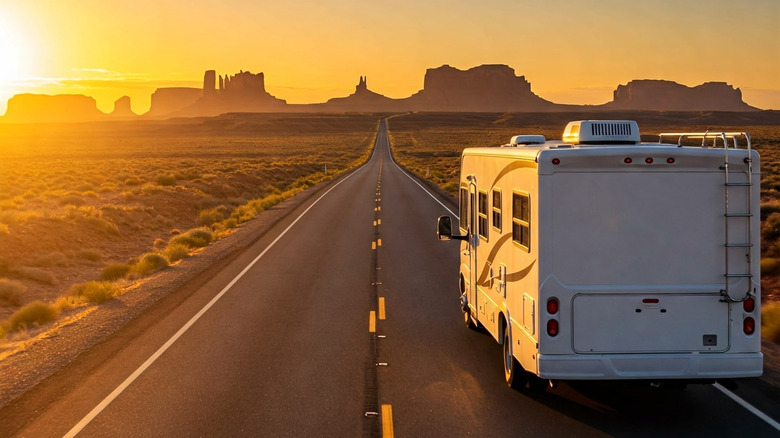
If you ask me, keeping your daily mileage tally under 300 is the most important rule of the three. It's also the one I break more often than not. When I'm driving long distances, my goal is usually to get the drive over as quickly as possible. I have been known to drive as much as 1,300 miles in a single day, but those are miserable days where you see nothing but the interstate and truck stops. You're living on greasy fast food and Red Bull. It's not fun, it's not edifying, and it is actually quite bad for you physically. Really, any driving day over 8-ish hours is a slog. Plus, fatigued driving will reduce your reaction times and impair your judgement.
If you keep your driving days to under 300 miles, even at a leisurely pace, you're covering that distance in six hours or so (with a few short breaks, of course). A shorter mileage-per-day drive means you're also saving your vacation time for the important, relaxing part of your trip, instead of spending all that time on the road. You'll get back from your trip better relaxed, less stressed, and much safer.
Setting a destination closer to home also means you're spending less on gasoline, and with fuel prices the way they are, we could all use a little savings at the pump. Depending on what you're driving, especially if it's a large RV with single-digit fuel economy, living with a shorter trip could be the budgetary difference allowing you to take that trip in the first place. Maybe this is the summer of the staycation, and you can book a campsite across town instead of heading all the way to the Grand Canyon.
Arrive by 3PM and stay for 3 days
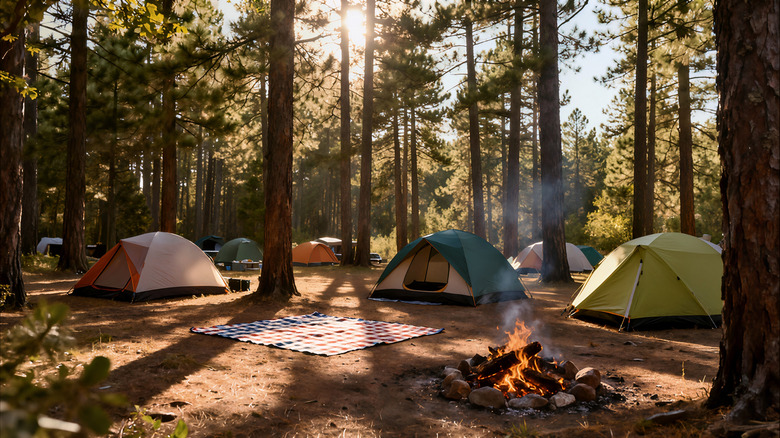
The other two rules, arrive by 3PM, and stay for three days, are closely related. You simply can't explore a new place in one night, and you certainly can't see what a location has to offer if you arrive after dark on the first night. Get in early, get settled, set up camp, unpack, and unwind. If you're arriving at 3PM you'll have plenty of opportunity to cook a meal, crack a cold beverage, and plan out any adventures you want to do in the surrounding area. If you hustle to get to your farther destination, you'll be too tired when you get there to do anything, and your whole trip will suffer as a result.
By staying for a few days in the same place, you avoid spending most of your time at the campsite doing setup and teardown. This has less of an impact if you're staying inside a small camper or RV without much to construct, but any tents being set up, RV awnings, or pop-outs take time, too. By staying for multiple days, you'll likely get to hike a trail you wouldn't have had time for, or see a museum you would normally drive past, maybe eat a meal at an amazing local restaurant (instead of a microwave hot dog at a gas station), or finally finish the book you've had on your bedside table for six months.
There's an added benefit to staying for multiple days, as well. Many campgrounds will offer a discounted rate for longer stays, so in addition to saving some fuel costs by staying closer to home and driving fewer miles, you're saving cash on the stay itself. Find your peace, enjoy your stay, save some cash, and get home relaxed, but most importantly, do it safely.