

More States Are Pushing For Speed Limiting Devices To Be Fitted In Frequent Offenders' Cars
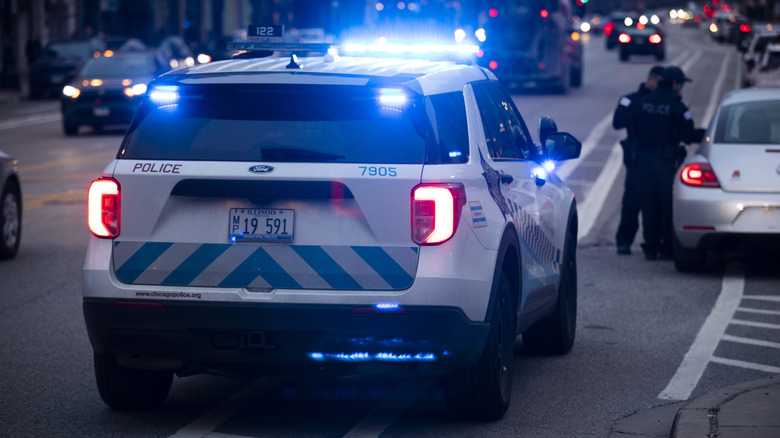
It's important to remember, even as driving enthusiasts, that speeding kills. In fact, according to data from the National Highway Traffic Safety Administration, 29% of all crash fatalities in 2025 involved speeding, or almost 12,000 deaths. So even though we make like speed, it's important to make sure that speeding laws are obeyed. We previously covered the news that IIHS Top Safety Pick+ winners must have anti-speeding tech by next year, and that Arizona is considering speed-limiting devices for severe speeding offenses, but now Illinois might be the next state to consider such devices for chronic speeders, as soon as 2028.
According to NBC Chicago, "The program would require drivers who had committed two qualifying speeding or reckless driving offenses within a 12-month period to install a speed-limiting device in their vehicles, which would prevent them from exceeding the speed limit." The new law is called Illinois House Bill 4948, and it is currently being debated in the Senate committee, so it's not law just yet.
Other states are already have laws like these in place
The states of Virginia and Washington both have similar laws in the works to mitigate repeat speeding offenders by preventing drivers from exceeding the speed limit. According to NBC, "Illinois lawmakers call fines, licenses points and suspensions "insufficient" in addressing the problem of chronic speeding, and the devices would be aimed at improving driver safety while also allowing drivers to continue operating their vehicles even after multiple traffic offenses, rather than suspending their licenses outright."
In this bill, the devices would not be mandatory for speeders, but they could prove to be a good alternative to a license suspension and/or issuance of a restricted license. The speeder will have to pay all costs associated with enrollment in the program and participation, with some exceptions for low-income residents. Experts said the devices are similar to ignition interlock devices that require drivers to prove they aren't under the influence of alcohol before they operate a vehicle. The bill passed the house earlier this year, but it still has to get past the Senate, where it's being reviewed — and possible amendments are being added. The current session of the Senate will end on May 31.